




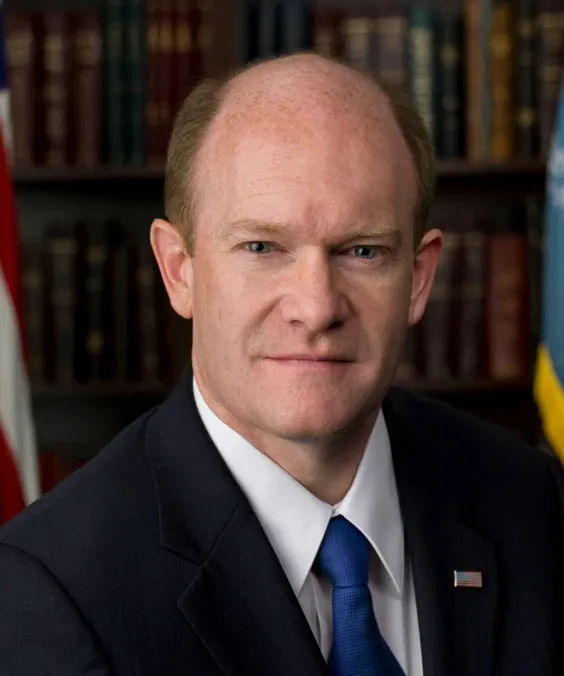
@chriscoons· Democratic · DE· May 22, 2012
the entire dangerous, risky, and provocative process could be avoided in some circumstances by ratifying this treaty and being able to contest excessive claims in the ways it allows us to do.
On the record
Quotes from current and former United States senators.
Current senators


 WI-D
WI-D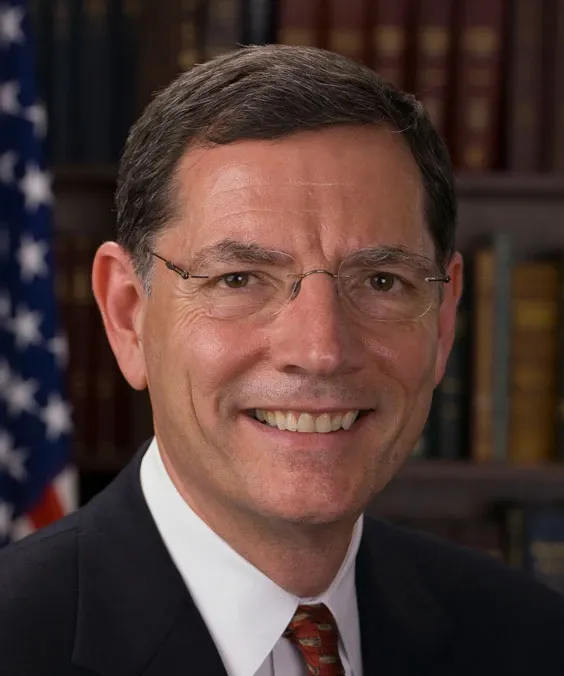 WY-R
WY-R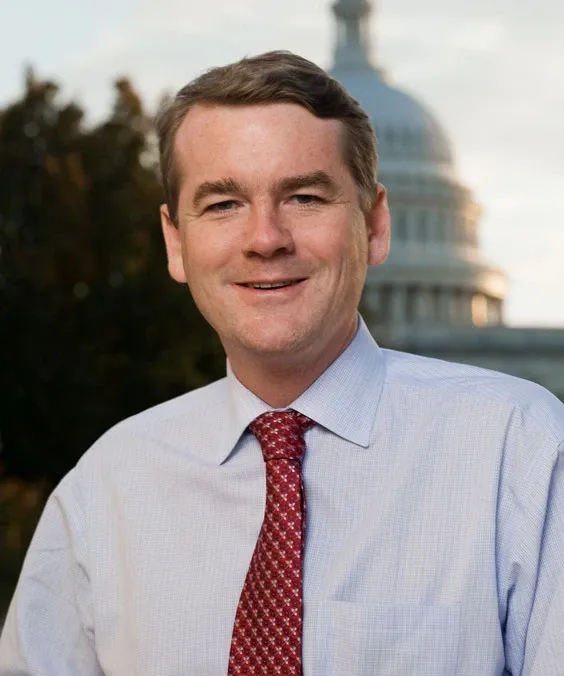 CO-D
CO-D TN-R
TN-R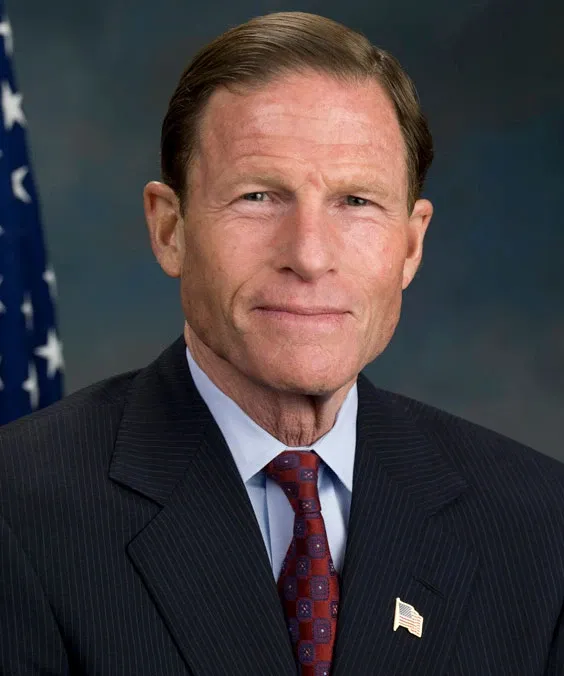 CT-D
CT-D MO-R
MO-R NJ-D
NJ-D AR-R
AR-R IN-R
IN-R AL-R
AL-R OH-D
OH-D NC-R
NC-R NC-R
NC-R WA-D
WA-D WV-R
WV-R MD-D
MD-D DE-D
DE-D PA-D
PA-D LA-R
LA-R ME-RDE-D
 TX-R
TX-R NV-D
NV-D
 AR-R
AR-R ND-R
ND-R ID-R
ID-R TX-R
TX-R
 MT-R
MT-R IL-D
IL-D IL-D
IL-D IA-R
IA-R
 PA-D
PA-D
 NE-R
NE-R NY-D
NY-D
 SC-R
SC-R IA-R
IA-R TN-R
TN-R NH-D
NH-D MO-R
MO-R NM-D
NM-D CO-D
CO-D HI-D
HI-D ND-R
ND-R
 MS-R
MS-R WI-R
WI-R VA-D
VA-D AZ-D
AZ-D LA-R
LA-R ME-I
ME-I MN-D
MN-D OK-R
OK-R UT-R
UT-R NM-D
NM-D WY-R
WY-R WV-D
WV-D MA-D
MA-D KS-R
KS-R KY-R
KY-R OR-D
OR-D KS-R
KS-R OK-R
OK-R AK-R
AK-R CT-D
CT-D
 WA-D
WA-D GA-D
GA-D CA-D
CA-D KY-R
KY-R MI-D
MI-D OH-R
OH-R RI-D
RI-D ID-R
ID-R UT-R
UT-R NV-D
NV-D SD-R
SD-R FL-R
FL-R

 VT-I
VT-I NE-R
NE-R HI-D
HI-D MO-R
MO-R NY-D
NY-D FL-R
FL-R SC-R
SC-R NH-D
NH-D AZ-I
AZ-I MN-D
MN-D MI-D
MI-D AK-R
AK-R MT-D
MT-D SD-R
SD-R NC-R
NC-R FL-R
FL-R AL-R
AL-R OH-R
OH-R
 MD-D
MD-D VA-D
VA-D GA-D
GA-D MA-D
MA-D RI-D
RI-D MS-R
MS-R OR-D
OR-D IN-R
IN-RFormer senators
the entire dangerous, risky, and provocative process could be avoided in some circumstances by ratifying this treaty and being able to contest excessive claims in the ways it allows us to do.
I am concerned that the debate over this treaty is locked in a framework that is decades out of date.
So when we have successfully reasserted customary international law and leave a contested area, do these other nations sometimes then reassert their excessive claim?
In your view, does this put our allies at any risk, in terms of their confidence about our willingness and ability to fight for their territorial issues?
I just have to question your assertion that... U.S. accession to the Convention has become essential to the successful execution of the Navy's global mission.
the real risk we face is letting others draw boundaries, set rules, and advance their economic interests without the United States having a seat at the table.
Secretary Panetta said clearly at the last hearing we never give up our right to self-defense.
If the United States did not contest an excessive claim through either routine or special freedom of navigation operations, are we at some risk that that would set a new precedent?
freedom of navigation operations, which are provocative to nations, some of which are our allies, some of which are our opponents, have steadily increased in number, in seriousness, in cost and complexity over recent years.
there are real benefits to the United States in terms of navigational rights I would like to focus on.
Does failure to ratify this treaty, General Dempsey, in any way compromise the ability of the United States to project force around the world?
the real risk we face is that we are letting others draw boundaries, we are letting others set rules, we are leaving our economic interests out of the fight, and we are putting our national security interests at risk by failing to ratify…
To have over half the folks not get the proper rating, to say that it does not match up with our goals, is an understatement.
We have got an issue here, and the reason I know we have got an issue here is because I have got veterans calling me all the time.
we have got misdiagnosis over 50 percent, that is not acceptable. It has got to be fixed.
Could you get back to the Committee with your recommendations on what needs to be changed in IDES?