




@johnboozman· Republican · AR· Jul 9, 2024
It is vital that we limit our policy proposals to the agencies that we have jurisdiction over, in this case the CFTC.
On the record
Quotes from current and former United States senators.
Current senators


 WI-D
WI-D WY-R
WY-R CO-D
CO-D TN-R
TN-R CT-D
CT-D MO-R
MO-R NJ-DAR-R
 IN-R
IN-R AL-R
AL-R OH-D
OH-D NC-R
NC-R NC-R
NC-R WA-D
WA-D WV-R
WV-R MD-D
MD-D DE-D
DE-D PA-D
PA-D LA-R
LA-R ME-R
ME-R DE-D
DE-D TX-R
TX-R NV-D
NV-D
 AR-R
AR-R ND-R
ND-R ID-R
ID-R TX-R
TX-R
 MT-R
MT-R IL-D
IL-D IL-D
IL-D IA-R
IA-R
 PA-D
PA-D
 NE-R
NE-R NY-D
NY-D
 SC-R
SC-R IA-R
IA-R TN-R
TN-R NH-D
NH-D MO-R
MO-R NM-D
NM-D CO-D
CO-D HI-D
HI-D ND-R
ND-R
 MS-R
MS-R WI-R
WI-R VA-D
VA-D AZ-D
AZ-D LA-R
LA-R ME-I
ME-I MN-D
MN-D OK-R
OK-R UT-R
UT-R NM-D
NM-D WY-R
WY-R WV-D
WV-D MA-D
MA-D KS-R
KS-R KY-R
KY-R OR-D
OR-D KS-R
KS-R OK-R
OK-R AK-R
AK-R CT-D
CT-D
 WA-D
WA-D GA-D
GA-D CA-D
CA-D KY-R
KY-R MI-D
MI-D OH-R
OH-R RI-D
RI-D ID-R
ID-R UT-R
UT-R NV-D
NV-D SD-R
SD-R FL-R
FL-R

 VT-I
VT-I NE-R
NE-R HI-D
HI-D MO-R
MO-R NY-D
NY-D FL-R
FL-R SC-R
SC-R NH-D
NH-D AZ-I
AZ-I MN-D
MN-D MI-D
MI-D AK-R
AK-R MT-D
MT-D SD-R
SD-R NC-R
NC-R FL-R
FL-R AL-R
AL-R OH-R
OH-R
 MD-D
MD-D VA-D
VA-D GA-D
GA-D MA-D
MA-D RI-D
RI-D MS-R
MS-R OR-D
OR-D IN-R
IN-RFormer senators
It is vital that we limit our policy proposals to the agencies that we have jurisdiction over, in this case the CFTC.
I have consistently said in the past that I believe the CFTC is the right agency to regulate spot digital commodities.
The two agencies have a long history of working well together, and I will focus on the word 'well.'
The CFTC's principle-based approach has proven to effectively protect consumers in the derivatives market.
I believe that we must have broad support within the community we wish to regulate if we ultimately want to protect consumers and innovation.
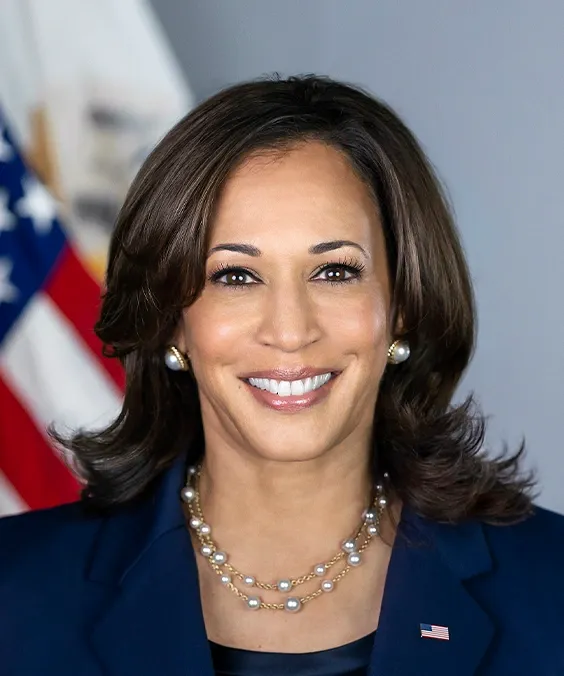
The past few days have been a reminder that running for president of the United States is never easy. But the one thing we know about our president, Joe Biden, is that he is a fighter.
I do believe this is the most existential, consequential and important election of our lifetimes.
CBO about 2 months ago released new estimates that project that an extension of the 2017 Trump tax cuts would add $4.6 trillion to the debt over 10 years.
the prospect of that creating a shock to the economy along the lines of the 2008 shock or worse, have been repeatedly raised in this Committee.
Do we really want to leave Ukraine high and dry to the tender mercies of the pediatric hospital bombing monster Putin? I kind of doubt it.
Yes. And then here's defense discretionary spending, and then this is non-defense discretionary spending, which as you can see has been fairly constant over all of those years.
My Republican colleagues complain that I, and my Democratic colleagues, aren't concerned about our nation's fiscal situation...
So, let me just to put this into context, take a look at this graphic here, which shows from 1994 to 2054, how revenue and spending have worked.
Helping the wealthy avoid taxes is such an infatuation that House Republicans even brought the United States to the brink of default trying to prevent the IRS from cracking down on wealthy tax cheats.
Indeed, CBO found that actual and projected federal health spending over the 2010 to 2033 period was $6.3 trillion, $6.3 trillion lower than predicted, which I attribute to improving quality, and moving to value-based care.
CBO's long-term budget projections back in 2012 were the last time that CBO showed debt declining as a share of GDP.
Our national debt is not only the result of those two economic shocks, of course. It is also the result of repeated rounds of Republican tax cuts that primarily benefited giant corporations and very, very wealthy individuals.
the growth in healthcare spending has been one of the primary drivers on the spending side.