
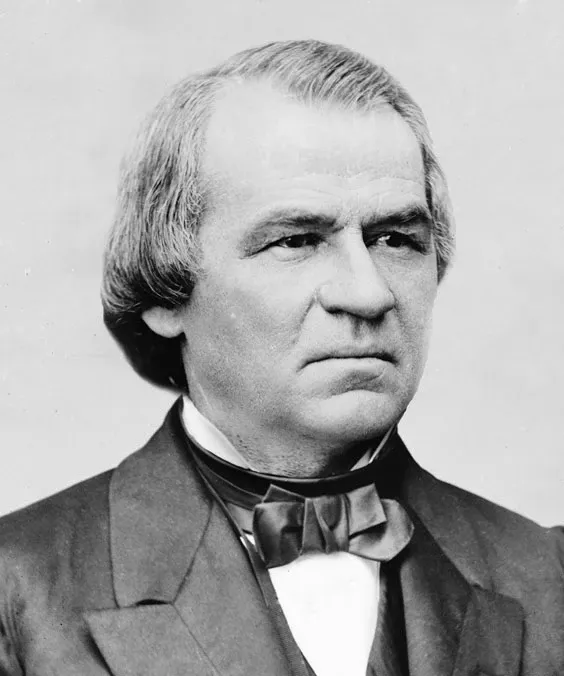
@andrewjohnson· Democratic · TN· Mar 12, 1867
I herewith lay before the Senate, for its constitutional action thereon, a treaty concluded on the 2d March, 1866, between the United States and the Shawnee tribe of Indians of Kansas.
On the record
Quotes from current and former United States senators.
Current senators
 ID-R
ID-R CO-D
CO-D MD-D
MD-D OK-R
OK-R WI-D
WI-D WY-R
WY-R CO-D
CO-D TN-R
TN-R CT-D
CT-D NJ-D
NJ-D AR-R
AR-R AL-R
AL-R NC-R
NC-R WA-D
WA-D WV-R
WV-R PA-D
PA-D LA-R
LA-R ME-R
ME-R DE-D
DE-D DE-D
DE-D TX-R
TX-R NV-D
NV-D AR-R
AR-R ND-R
ND-R ID-R
ID-R TX-R
TX-R MT-R
MT-R MT-R
MT-R IL-D
IL-D IL-D
IL-D IA-R
IA-R PA-D
PA-D NE-R
NE-R NE-R
NE-R AZ-D
AZ-D NY-D
NY-D SC-R
SC-R IA-R
IA-R IA-R
IA-R TN-R
TN-R NH-D
NH-D MO-R
MO-R NM-D
NM-D CO-D
CO-D HI-D
HI-D ND-R
ND-R OH-R
OH-R MS-R
MS-R WI-R
WI-R WI-R
WI-R VA-D
VA-D VA-D
VA-D AZ-D
AZ-D LA-R
LA-R ME-I
ME-I MN-D
MN-D OK-R
OK-R UT-R
UT-R NM-D
NM-D WY-R
WY-R MA-D
MA-D KS-R
KS-R KY-R
KY-R PA-R
PA-R OR-D
OR-D KS-R
KS-R OH
OH AK-R
AK-R CT-D
CT-D CT-D
CT-D WA-D
WA-D GA-D
GA-D CA-D
CA-D KY-R
KY-R MI-D
MI-D RI-D
RI-D RI-D
RI-D NE-R
NE-R ID-R
ID-R ID-R
ID-R NV-D
NV-D SD-R
SD-R VT-I
VT-I NE-R
NE-R HI-D
HI-D MO-R
MO-R NY-D
NY-D FL-R
FL-R SC-R
SC-R NH-D
NH-D MT-R
MT-R MN-D
MN-D AK-R
AK-R AK-R
AK-R SD-R
SD-R NC-R
NC-R AL-R
AL-R MD-D
MD-D VA-D
VA-D GA-D
GA-D MA-D
MA-D MA-D
MA-D RI-D
RI-D MS-R
MS-R OR-D
OR-D IN-R
IN-RFormer senators
I herewith lay before the Senate, for its constitutional action thereon, a treaty concluded on the 2d March, 1866, between the United States and the Shawnee tribe of Indians of Kansas.
I herewith lay before the Senate, for its constitutional action thereon, a treaty concluded in this city on the 23d instant (ultimo) between the United States and the following tribes of Indians, viz: The Senecas, the confederated Senecas…
A letter of the Secretary of the Interior of the 25th instant (ultimo) and a copy of a communication from the Commissioner of Indian Affairs of the 19th instant (ultimo), explanatory of the said treaty, are also herewith transmitted.
A letter of the Secretary of the Interior of the 26th instant (ultimo) and a copy of a letter of the Commissioner of Indian Affairs of the 25th instant (ultimo), explanatory of said treaty, are also herewith transmitted.
The powers of departmental commanders are hereby delegated to the above-named district commanders.
While a just, proper, and watchful jealousy of executive power constantly prevails, as it ought ever to prevail, yet it is equally true that an efficient Executive is an indispensable security for tranquillity at home and peace, honor, and…
The bill in this respect conflicts, in my judgment, with the Constitution of the United States.
All the information I have on the subject convinces me that the masses of the Southern people and those who control their public acts [...] are completely united in the effort to reorganize their society on the basis of peace and to…
For these reasons I return the bill to the Senate, in which House it originated, for the further consideration of Congress which the Constitution prescribes.
The subject was long and earnestly debated in the Senate, and the early construction of the Constitution was, nevertheless, freely accepted as binding and conclusive upon Congress.
It reduces the whole population of the ten States--all persons, of every color, sex, and condition, and every stranger within their limits--to the most abject and degrading slavery.
It should induce us to pause in a course of legislation which, looking solely to the attainment of political ends, fails to consider the rights it transgresses, the law which it violates, or the institutions which it imperils.
I am unable to give it my assent, for reasons so grave that I hope a statement of them may have some influence on the minds of the patriotic and enlightened men with whom the decision must ultimately rest.
To pronounce the supreme lawmaking power of an established state illegal is to say that law itself is unlawful.
This is a bill passed by Congress in time of peace.
I have carefully examined the bill 'to regulate the tenure of certain civil offices.'
The power of removal was incident to that duty, and might often be requisite to fulfill it.
I submit to Congress whether this measure is not in its whole character, scope, and object without precedent and without authority.