Dec 3, 2019
I don't think that is acceptable, but unless we equip FDA with the tools and resources the agency needs, we are going to continue to see frightening issues with these products for years to come.
The Public Record
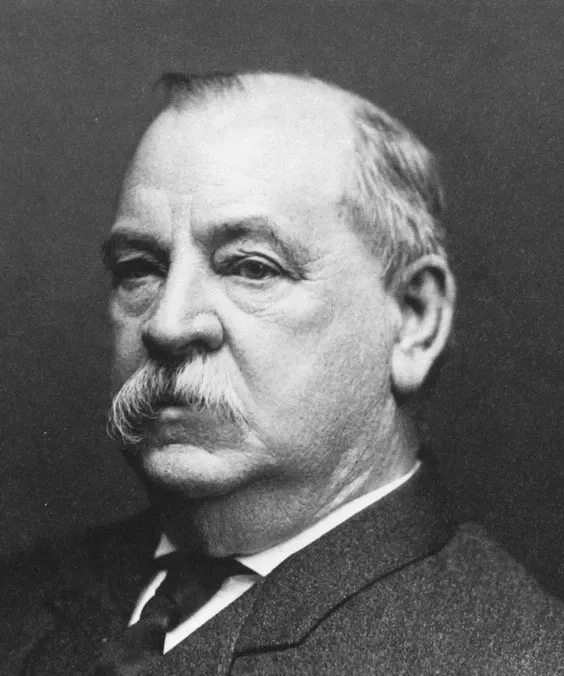
Frank Joseph Pallone is an American politician serving as the U.S. Representative for New Jersey's 6th congressional district since 1993. A member of the Democratic Party, Pallone has been a prominent advocate for health care reform, environmental protection, and consumer rights. He has played a key role in shaping legislation related to public health and climate change, often speaking out against policies he views as detrimental to these areas.
I don't think that is acceptable, but unless we equip FDA with the tools and resources the agency needs, we are going to continue to see frightening issues with these products for years to come.
The truth is that Congress has not updated FDA's authority to regulate the multibillion-dollar cosmetic industry in over 80 years.
Consumers today assume that the cosmetic products they purchase are safe and appropriately regulated, but, unfortunately, that isn't always the case.
Cosmetics should be safe for consumers, but a retiree who makes cosmetics in his or her living room or home shop as a hobby... would have to register with the FDA.
It is critical that the language in a bill that is marked up in this subcommittee and the full committee contain language stating that Federal laws preempt any State laws.
It is disappointing that this hearing today appears to be a partisan exercise.
Environmental justice is not a new problem, but it is a very serious problem, and communities across the Nation have been impacted disproportionately by environmental hazards, and the disparity continues.
Native Americans are less likely to have a reliable drinking water supply than any other group, and this is simply not acceptable.
It also finds that race is the strongest predictor of access to safe drinking water.
A recent report found that more than 2 million Americans lack access to safe drinking water and sanitation.
It is unfortunate, but inescapable, that where you live in this country determines the extent of the environmental health risks that you face.
Today we continue our series of climate change hearings aimed at developing comprehensive legislation to achieve a 100 percent clean economy by 2050.
I have introduced the most comprehensive environmental justice bill, H.R. 3923, the Environmental Justice Act of 2019.
We must ensure that every person in America has access to clean water to drink and clean air to breathe.
I thank Mr. Engel for all of his work on this, and I, of course, thank all of the members of the Armenian caucus. One of the reasons that we founded the Armenian caucus was the recognition of the Armenian genocide. But I also have to…
I thank Mr. McGovern for bringing this rule up today, and I rise in support of the rule to bring up the Armenian genocide resolution. As Judy Chu said--and I just came back from Armenia at the same time--we were at the genocide memorial in…
Without this balanced portfolio, deep decarbonization will happen at a slower pace and at a higher cost to homeowners and businesses.
In the power sector, there are clear, achievable ways to get to 80 percent decarbonization--but it's the last 20 percent that will, by far, be the biggest challenge.
Electrifying a wide range of services, processes, and end-uses will be crucial to achieving our climate goals.
The power sector has made noticeable progress over the last 15 years in reducing emissions from the facilities that deliver electricity to America's homes and businesses.
Today's hearing is the fifth hearing in the committee's series on building a 100 percent clean economy by 2050.
Today's hearing is the fifth in the committee's series on building a 100 percent clean economy by 2050.
Politicians like Frank Pallone