Apr 10, 2013
Can you share with us why not cost shifting to beneficiaries was felt to be so important?
The Public Record
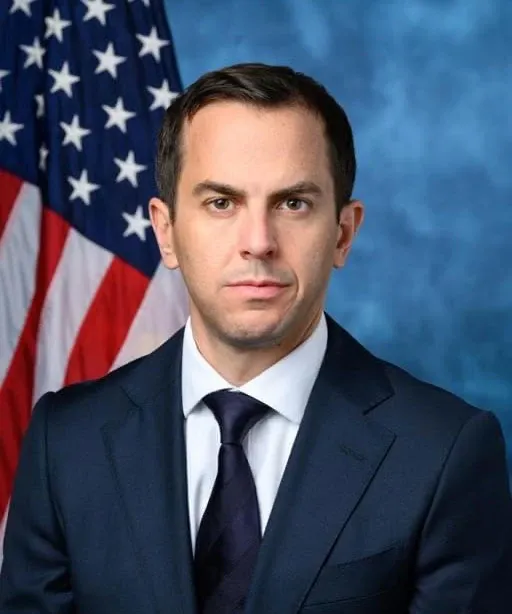
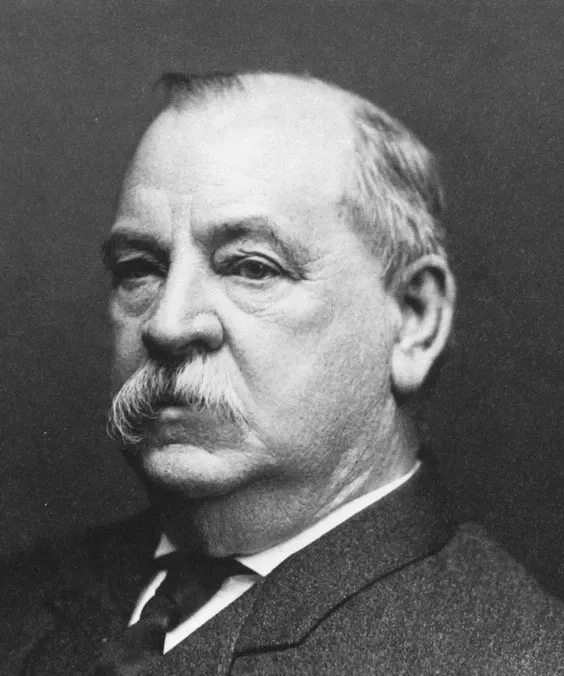
Frank Joseph Pallone is an American politician serving as the U.S. Representative for New Jersey's 6th congressional district since 1993. A member of the Democratic Party, Pallone has been a prominent advocate for health care reform, environmental protection, and consumer rights. He has played a key role in shaping legislation related to public health and climate change, often speaking out against policies he views as detrimental to these areas.
Can you share with us why not cost shifting to beneficiaries was felt to be so important?
So in your proposal, isn't it true that the savings come from the tax on first-dollar supplemental coverage?
I am concerned that some people are eyeing this idea of Medicare benefit redesign as a way to simply get budgetary savings by shifting more costs onto the backs of beneficiaries.
I also appreciate the recognition that we need to move delivery systems and payment systems reform to more value-based systems.
Far from inhibiting the growth of mobile health applications, the Administration has taken unprecedented steps to open up federal data to app developers and coders.
That is why as chairman of this subcommittee, I worked alongside many of my colleagues, Democrat and Republican alike, and we passed the Health Information Technology for Economic and Clinical Health Act.
The notion that if we can improve the coordination of care, patient safety, disease management, and prevention efforts, we can save money for the entire system.
Today is an important examination of the ways in which health information technologies can benefit patients, doctors, and the health care system as a whole.
The expansions are indeed sustainable, and in coming decades--in this decade, they actually modestly reduce the deficit; in the subsequent decade, they significantly reduce the deficit.
Healthcare reform was entitlement reform. The ACA decreases the deficit and promotes efficiency and quality.
The issue is not whether we reduce the deficit, but how we do so. And that conversation must include a discussion about revenues.
The reality exists that an aging population means more people will rely on Medicare and millions of the uninsured will now have access to healthcare through Medicaid because of the Affordable Care Act.
What Republicans want to do when they talk about painful cuts in the name of fiscal responsibility is to cut the structural foundation of our safety net programs.
Requiring that insurance companies provide coverage to all who apply represents a big change to these companies' business models, isn't that correct?
The ACA contains significant premium subsidies and responsibility requirements for individuals and employers.
My colleague asked if we know of any public health care system that improved outcomes and controlled costs, and I will certainly give you one, and that is Medicare.
I appreciate that because it gets frustrating after a time whether it is communications or it is power or whatever.
The Republican budget repeals coverage provisions of the ACA and will leave 27 million additional Americans uninsured.
The ACA provides States with 250 million in health insurance premium review grants over 5 years.
Consumers have already received over $1 billion in rebates from insurance companies that failed to meet this important new standard.
I have no additional speakers, and I would just say at this point that I urge passage of this legislation. It is very important in terms of our ongoing commitment to public health and emergency preparedness; and, of course, once it passes…
Well, let me ask you this. Has Blue Cross and Blue Shield of Louisiana had to cut back on any of its antifraud activities as a result of the MLR requirements?
Politicians like Frank Pallone