Dec 19, 2012
I have no additional speakers, Madam Speaker, so I would simply ask that we support this legislation and pass it on a bipartisan basis. I yield back the balance of my time. {time} 1330
The Public Record
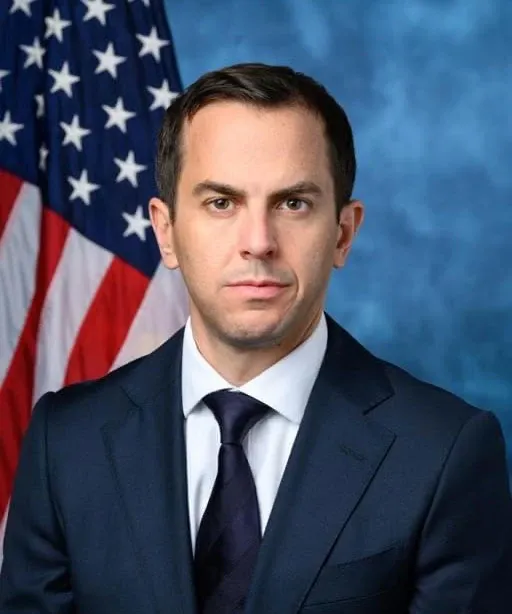
Frank Joseph Pallone is an American politician serving as the U.S. Representative for New Jersey's 6th congressional district since 1993. A member of the Democratic Party, Pallone has been a prominent advocate for health care reform, environmental protection, and consumer rights. He has played a key role in shaping legislation related to public health and climate change, often speaking out against policies he views as detrimental to these areas.
I have no additional speakers, Madam Speaker, so I would simply ask that we support this legislation and pass it on a bipartisan basis. I yield back the balance of my time. {time} 1330
I would like to now yield such time as she may consume to the sponsor of the House PREEMIE Act, the gentlewoman from California (Ms. Eshoo).
What we need and what is good about that partnership, while it is fraught with some tensions, is that it keeps us all at the table to make sure the program is as strong as possible.
Despite claims to the contrary, the ACA was fully paid for when passed, and if repealed would actually increase this country's budget deficit by more than $100 billion.
Let me start out by saying that I am beginning to learn the Republican playbook on the Affordable Care Act.
I encourage the FCC to keep on track with implementation of this spectrum law, but not to overlook important details.
I have also requested that FEMA waive the 25 percent State-local match for public assistance repair work.
I believe we must also work to avoid this by expanding CDBG grants to assist small businesses facing damage from the storm.
We have to be prepared for this new normal by hardening critical infrastructure and taking the time and spending the money to conduct the infrastructure assessment that Senator Schumer spoke about doing.
I want to compliment President Obama. The response of the Federal Government was quick and decisive.
In fact, the medical loss ratio requirement in the ACA is a critical consumer protection that has already saved consumers over a billion dollars.
So, I mean, if this is happening with the secure card now, isn't there a danger of that in Medicare?
The formula fairly allows some moneys to be deducted from the administrative side of the formula but balances that against undermining this important consumer protection, in my opinion.
I am also concerned about the costs of implementing a smart-card system for all of Medicare.
While the total cost of healthcare fraud is difficult to obtain, estimates range anywhere from $65 billion to $98 billion annually.
Our Nation's seniors are counting on us to ensure that Medicare fulfills its promises.
One of the things that I believe is important to keep in mind as we design our anti-fraud arsenal is that fraud is multifaceted.
I just wanted to make it clear and basically commend the Department, HHS, for the actions it has already taken to respond to your recommendations.
Politicians like Frank Pallone