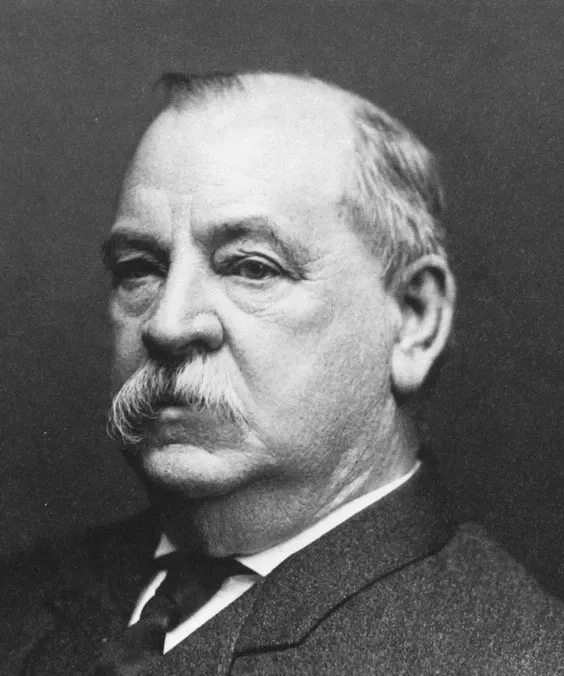
Frank Pallone
The Public Record
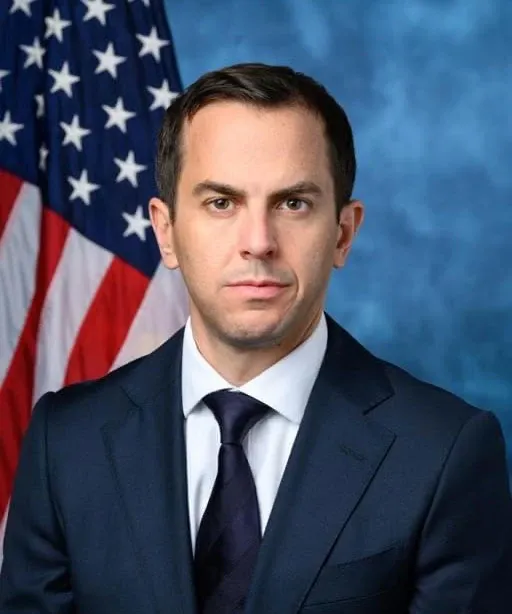
Frank Joseph Pallone is an American politician serving as the U.S. Representative for New Jersey's 6th congressional district since 1993. A member of the Democratic Party, Pallone has been a prominent advocate for health care reform, environmental protection, and consumer rights. He has played a key role in shaping legislation related to public health and climate change, often speaking out against policies he views as detrimental to these areas.
Jun 15, 2015
But we have heard all of these doomsday claims before, and throughout the history of the Clean Air Act, industry has made claims that cleaning up air pollution would impose huge costs and harm our economy.
Jun 15, 2015
During our hearing last week we heard some of my colleagues argue that EPA's proposed ozone standard will hurt the economy and that Americans have to choose between clean air and economic growth.
Jun 15, 2015
And so I think it is one thing to say, well, this is good for the economy, but for the first time ever, that is not proving to be the case.
Jun 15, 2015
But I don't think we can just throw under the rug this report that came out in April from the Global Market Institute of Goldman Sachs that point-blank says, in small businesses 500 employees and less, for the first time ever after an…
Jun 15, 2015
The history of the Clean Air Act is one of exaggerated claims by industry that have never come true.
Jun 15, 2015
A unanimous Supreme Court opinion written by Justice Scalia made it clear that EPA's approach for determining a safe level of air pollution is correct and costs may not be considered.
Jun 15, 2015
The current 75 parts-per-billion standard is weaker than the facts would allow.
Jun 15, 2015
EPA estimates these benefits would range from $13 to $38 billion annually, outweighing the cost by approximately 3 to 1.
Jun 11, 2015
How much is it going to cost to make WIPP fully operational again? And when do we expect that to happen? And what are we losing by shutting down WIPP for several years? How much is that going to cost the Department?
Jun 11, 2015
But what--you know, so, again, I will ask Administrator Creedon and Mr. Whitney. I mean, I guess you've, you know, been kind of answering this question already, but, you know, why should we have any confidence that, you know, things are…
Jun 11, 2015
And what gives the GAO confidence that NNSA or EM, for that matter, can adopt the accident report recommendations on approved oversight, given the findings of your recent report?
Jun 11, 2015
Nuclear Waste Partnership, the contractor that packed the drum, has not fully developed an integrated contractor assurance system.
Jun 11, 2015
On this committee, there has long been bipartisan support for congressional oversight to ensure that DOE is effectively managing its contractors and keeping the nuclear complex safe.
Jun 11, 2015
The bottom line here is that, when these projects go off the rails, taxpayer dollars are at risk, and so are important projects that national security depends on.
Jun 11, 2015
Is the proposed ozone level an aggressive or overzealous action by EPA as some may claim?
Jun 11, 2015
So I understand that the Clean Air Scientific Advisory Committee and EPA scientists recommended that the Agency strengthen the ozone standard from 75 parts per billion to a level within the range of 60 to 70.
Jun 11, 2015
I mean, this concentration of cost, I think, has been misguided. Over the history of the Clean Air Act, industry has consistently exaggerated the potential cost of controlling pollution.
Jun 11, 2015
When we talk about air pollution regulation, my Republican colleagues often focus on cost, but they aren't talking about the cost from exposure to unsafe air.
Jun 11, 2015
Some of my colleagues are quick to argue that EPA's proposed ozone standard will hurt the economy, but history tells us that cleaning up pollution can benefit the economy as well as human health and the environment.
Jun 11, 2015
EPA must set each air quality standard based on science and medical evidence alone.
Jun 10, 2015
Fixing our Nation's crumbling infrastructure to boost the economy and increase transportation safety should not be a partisan issue; yet Republicans in Congress continue to show neglect and indifference towards the Nation's infrastructure…
Jun 10, 2015
The other thing I wanted to--if you could get across is how we can expect an increase among the population that--of these 9/11-related conditions.
Jun 10, 2015
The World Trade Center Health Program relies on Clinical Centers of Excellence to provide most of the monitoring and medical care through the program
Politicians like Frank Pallone