Sep 16, 2015
We should not continue to play politics with women's health. This has real consequences for real people.
The Public Record
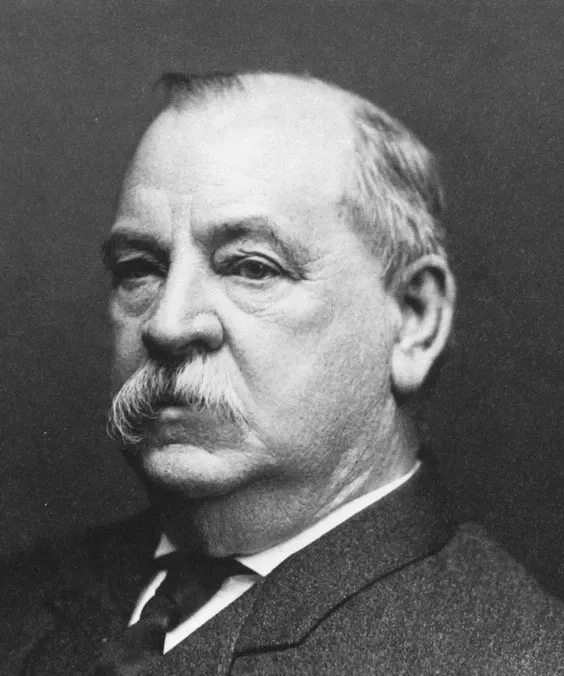
Frank Joseph Pallone is an American politician serving as the U.S. Representative for New Jersey's 6th congressional district since 1993. A member of the Democratic Party, Pallone has been a prominent advocate for health care reform, environmental protection, and consumer rights. He has played a key role in shaping legislation related to public health and climate change, often speaking out against policies he views as detrimental to these areas.
We should not continue to play politics with women's health. This has real consequences for real people.
Efforts to block access to care and defund Planned Parenthood will do nothing more than prevent individuals who rely on these services from getting the care they need.
I am deeply disappointed by the willingness of some of my colleagues to shut down the Government in response to sensationalized accusations and no evidence of wrong-doing.
I cannot stand by and allow this committee and this Congress to support a witch hunt against Planned Parenthood.
This concerted effort by Republicans, under the guise of falsified videos, is not about strengthening current law, it's about restricting access to women's health care and if Republicans continue down this path, it will lead to a…
I really think we need to, we really need to do that at some point because the way we operate... is just, I can't imagine...
The reality is that this legislation would change the historical consideration of a spouse's income as separate.
Before we start tightening up on Medicaid, we need to have a real conversation on long-term care in this country.
I think this bill has been drafted in a way that it is careful, unlike the other eligibility legislation under consideration today.
We have no long-term care insurance in this country, and until we are ready to have a discussion about improving options in the long-term care insurance marketplace, I am concerned about changes to Medicaid eligibility in this space even…
Proposals like these that would undermine the coverage for millions of low-income individuals, including some of our most vulnerable children and seniors, are punitive to beneficiaries.
Proposals like the one we have here today that purports to address this so-called plight of lottery winners in Medicaid I think are completely unnecessary from a practical perspective.
I appreciate the interest in cracking down on fraud in the personal care services and home and community-based care space.
I am pleased to see that some of the bills we are considering here today are true efforts to improve program integrity in Medicaid.
H.R. 2339 would undermine this by requiring states to count lump-sum income as though it were income that the individual has received for up to 20 years after it is actually received.
I am concerned that two bills under consideration would scale back Medicaid eligibility under the guise of closing loopholes.
Finally, Representative Mullin on the full committee has authored H.R. 1771--a bill which would close a loophole in current law identified by some GAO reporting.
I have introduced H.R. 2339--a common-sense proposal to give states better options to how lottery winnings are calculated for purposes of Medicaid eligibility.
That's why I'm so pleased today to be discussing several bills that will help boost the integrity, oversight, and accountability of the Medicaid program.
While I believe states are--and should be treated as--full partners in the program, the reality is that Congress has a duty to expect the best from states and take common-sense steps to help prevent fraud, waste, and abuse at systemic…
Mr. Chairman, I have said repeatedly that the Medicaid program is the bedrock of the Nation's safety net.
I appreciate this legislation's effort to ensure spousal impoverishment protections remain when one spouse must enter a nursing home.
The proposed legislation under consideration today that would encourage our territories, like Puerto Rico, to invest in the creation of Medicaid fraud control units is a no-brainer.
We need to do a better job in this area to make sure that providers eliminated in one state are no longer able to cross state lines.
Politicians like Frank Pallone