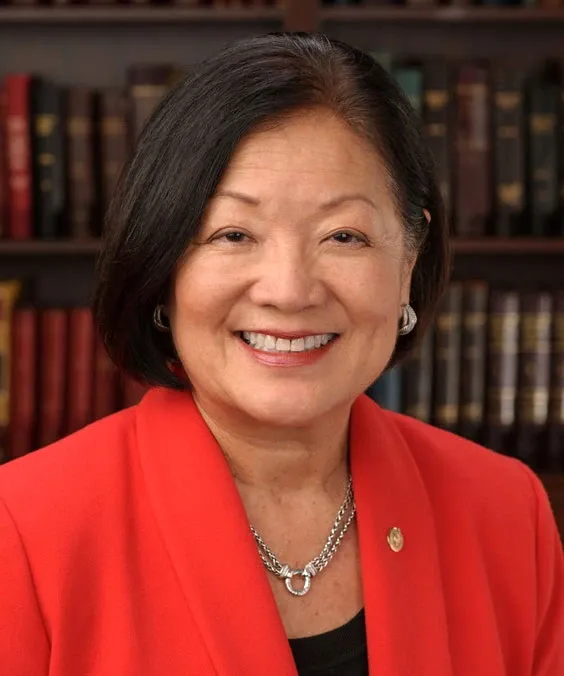


@maziehirono· Democratic · HI· Jul 13, 2015
Hawaii's electric utilities to accelerate the 2020 interim RPS target or renewables from 25 percent to 30 percent, and, of course, go to 100 percent renewable energy by 2045.
On the record
Quotes from current and former U.S. state attorneys general.
Current attorneys general
 IA
 CA
 MD
 WA
 MA
 GA
 VT
 OK
 MN
 MS
 NV
 AR
 MO
 NE
 SD
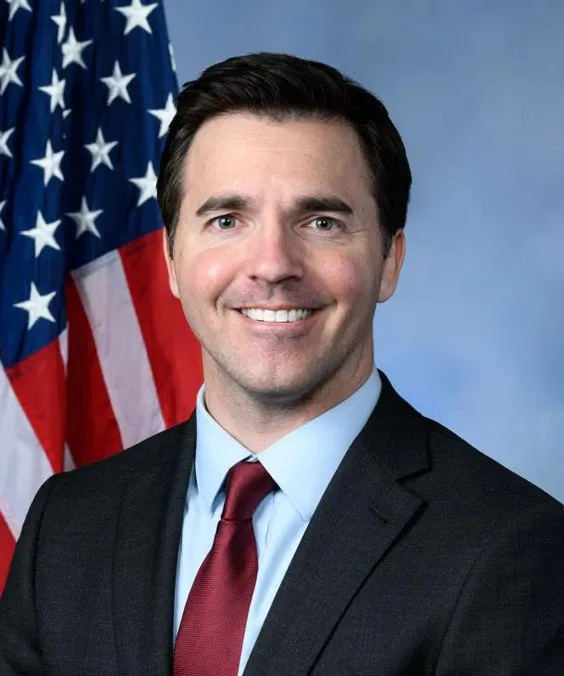 NC-D
 NY
 DE
 VA
 WI
 KS
 ID-R
 AL
 AZ
 LA
 MI
 TX
 IL
 OR
 IN
 DC
 CT
 FL
 CO
 SC
 ND
 OH
Former attorneys general
Hawaii's electric utilities to accelerate the 2020 interim RPS target or renewables from 25 percent to 30 percent, and, of course, go to 100 percent renewable energy by 2045.
Hawaii has already more than doubled its use of renewable electricity in 6 years to 21 percent.
This is the most ambitious plan and goal in the country.
Our two states could become test beds for how we can provide affordable and, in our case, renewable energy to remote areas.
I think you definitely have a very unique situation, and that is why you have a wonderful senator who is going to address some of those needs.

I thank the gentleman for supporting the amendment. The reasons he is supporting are completely wrong. We have increased Federal spending, as the gentleman knows, on education over 300 percent since the Federal Government has been…

SSDI is not SSI that some people hear about. SSI is Supplemental Security Income, which is an income for low-income Americans that you get, not because you worked and paid into it, but because you are low-income.
I think, especially for someone who, like you, figured out a way to get himself/herself back into a position where you could be gainfully employed, I think, ultimately, that is what we want to do.
I think that is a very important aspect of what we need to do going forward on the 'Going Dark' problem.
Forcing companies to--to provide a back door to encryption is going to result in a lot of unintended possibly consequences.
No system is secure, so we need to weigh the--what the risks are, et cetera.
I think that's one of the reasons that we have to be very careful in what--in what we decide to do.
I just want to end by thanking all of you, particularly, Dr. Haynie, I really appreciated your commitment to helping the disabled veterans.
This is about leadership, as Mr. Payne so rightly suggested. And it is about creativity. And it is about flexibility.
While these regulations are well intended, states and schools are struggling to comply with them, and the very children we aim to serve are paying the price.
The federal role in these programs may be doing more to hinder your success than help it.
We cannot expect children to learn or excel in the classroom if they are hungry or are not properly nourished.
It is time to provide those responsible for implementing child nutrition programs with the flexibility they need to ensure taxpayer dollars are well spent and students are well served.
We certainly have a Federal responsibility to the American Indian tribes to live up to our obligations to them.
In the native Hawaiian culture, water or wai, is considered a sacred source of life.
Hawaii has to be especially creative when it comes to maximizing benefits of our limited water resources.
I think we would give them a disincentive to try to find work if we told them, 'You found work, that is it, we are going to cut you off.'
I think we want to say to them is, 'Go for it. We want you to succeed.'