Apr 14, 2010
I believe that the underlying purpose we had in No Child Left Behind regarding highly qualified teachers was a good one.
The Public Record
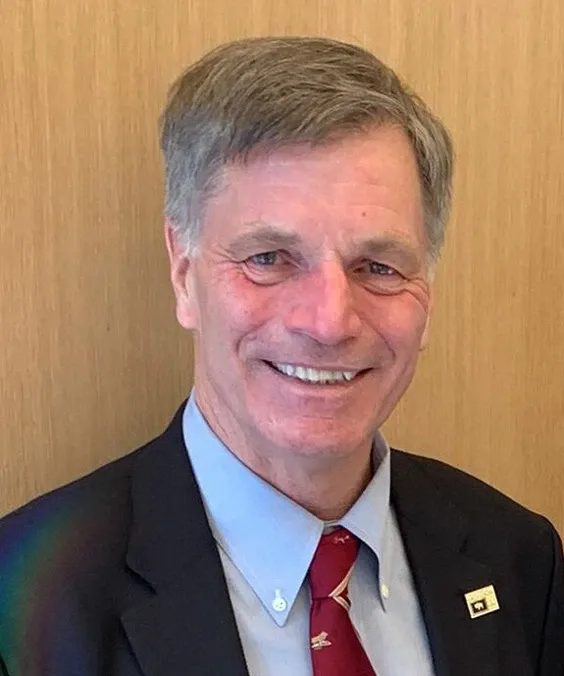
Mike Enzi is a former U.S. Senator from Wyoming, serving from 1997 to 2021. A member of the Republican Party, Enzi was known for his work on various committees, including the Senate Budget Committee and the Senate Health, Education, Labor, and Pensions Committee. Throughout his tenure, he focused on fiscal responsibility, education reform, and healthcare issues. Enzi was recognized for his collaborative approach, often working across party lines to achieve legislative goals.
I believe that the underlying purpose we had in No Child Left Behind regarding highly qualified teachers was a good one.
Strategies mandated from Washington will simply not solve the problems facing these schools.
I want to thank you for your diligent work in moving us along on fixing No Child Left Behind.
Rural and frontier schools and school districts are unique and often need unique solutions to their unique problems.
If we are going to mandate interventions from the Federal level, we need to be clear about why we are mandating such reforms.
I am very concerned that requiring school districts to use one of the four school turnaround models for schools identified for school improvement will adversely affect rural or frontier schools.
A better balance is needed between prescriptive Federal mandates and State and local flexibility.
I am also concerned about the potential impact the legislation has on rural schools, school districts, and States.
This blueprint will help the committee move forward to develop legislation that builds upon what we have learned from the latest version of ESEA, called No Child Left Behind, and fix what isn't working.
No Child Left Behind has been criticized for being a one-size-fits-all law, a claim that has rung especially true in the rural areas.
The Paycheck Fairness Act would provide the necessary incentive to promote employer compliance, deter violations, and ensure that victims receive complete make-whole relief.
So there shouldn't be that gap, and it is no surprise to me that there are more women's businesses that are being started and that the men are the ones being laid off when we have a decrease in employment.
I am still convinced that a lot of the gap is due to occupational segregation that exists, not due to an employer, but the decisions that are made by an employee.
We all make decisions about our career paths, and we know that women have not made the same kinds of decisions in terms of sciences that certainly does play a role in the overall gender gap in our society.
The legislative process being promoted here today will not create jobs, except for trial lawyers.
Many observers have characterized the EEOC's conduct in this case is one of sue first and ask questions later.
We must reject proposals that make employers less likely to create new positions and fill vacant ones.
Beginning with a hearing on the importance of world-class K-12 education for our economic success is an appropriate way to initiate our review of the issues surrounding reauthorization.
Thank you, Mr. Chairman, and I want to thank you for starting this series of hearings on the reauthorization of the Elementary and Secondary Education Act.
There's nothing worse than embarrassing anybody; they will never forgive you.
The First Lady--we had a meeting, we were all down at the White House to meet with the First Lady--twice, as a matter of fact--on this issue, and she has really taken this on.
Politicians like Mike Enzi