Apr 26, 2010
Doesn't it seem like we really ought to extend that program and get more of the people that are good participants into that program?
The Public Record
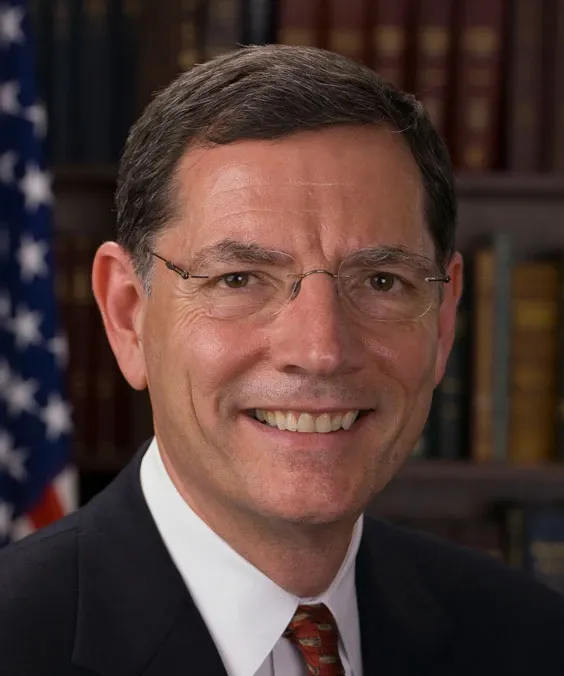
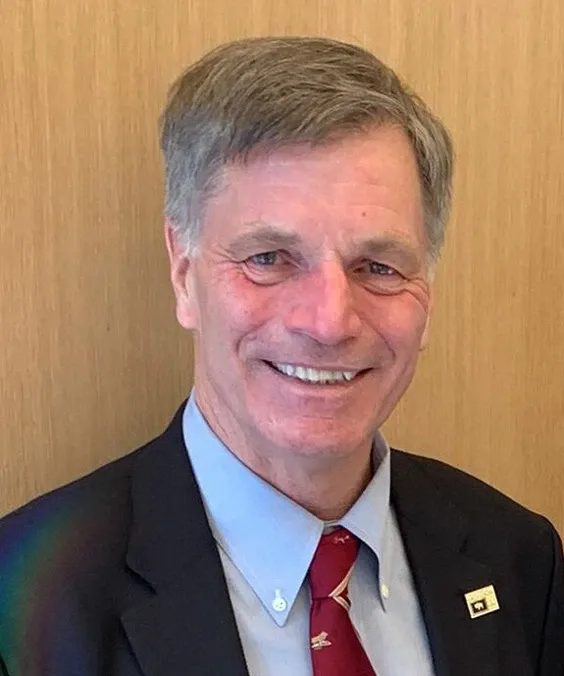
Mike Enzi is a former U.S. Senator from Wyoming, serving from 1997 to 2021. A member of the Republican Party, Enzi was known for his work on various committees, including the Senate Budget Committee and the Senate Health, Education, Labor, and Pensions Committee. Throughout his tenure, he focused on fiscal responsibility, education reform, and healthcare issues. Enzi was recognized for his collaborative approach, often working across party lines to achieve legislative goals.
Doesn't it seem like we really ought to extend that program and get more of the people that are good participants into that program?
I helped to get the Post Office under OSHA when I first got here and called for inspections in my office on a regular basis.
Thank you, Mr. Chairman. I appreciate you holding this hearing, which was called 'Creating a Culture of Compliance.' That's what we're trying to do.
As a Senator from a State whose primary industry is energy production, my heart goes out to the families and communities that lost those hard-working Americans this month.
I have to agree with what I've heard here. I would mention that, in the Budget Committee last week, the Administration plan to defund the VPP program was unanimously rejected.
I thank Senator Rockefeller for all of the action that he helped us to take 4 years ago with the Miner Act.
It's very frustrating, for those of us who worked so hard on the MINER Act, to hear accounts of MSHA's activity at this mine.
I suspect that the thousands of people that we'd have to hire in order to have a shorter period of time than that would create quite an economic burden in this country.
Perhaps out of the tragic accidents that have taken the lives of 29 men in West Virginia, 7 in Senator Murray's home State of Washington and left 11 missing off the coast of Louisiana, we can build a new commitment to keeping workplaces…
The Upper Big Branch Mine is the worst accident in 40 years, and 29 people lost their lives.
You know, if you had a safety program, you'd have more people available for work, and you'd save a lot of money.
If we drop that, how much of the extra resources are we going to need just to take care of the ones that we're going to be neglecting, who does do a good job.
There is a program that's working very well, and that's the VPP program, the Voluntary Participation Program.
Yes, I have been down in an underground mine, but I know that most people have not.
I have two key questions in mind. First, what can we do to fix the current version of ESEA--commonly known as the No Child Left Behind Act?
Second, how will any proposed changes effect or impact schools and school districts in rural areas?
Thank you, Senator Harkin, for holding this roundtable as part of our series of hearings on the reauthorization of the Elementary and Secondary Education Act.
Unfortunately, just weeks ago, Congress passed and the President signed a massive new law that will impose unjustified premium increases on millions of Americans.
All of these new taxes will drive up the cost of health care in this country and result in higher insurance premiums.
The Joint Committee on Taxation has repeatedly told us that the taxes in the new law will be passed on to consumers in the form of higher premiums.
We know the new law will actually drive up premiums--according to the Congressional Budget Office estimates, average premiums for families will go up by $2,100 because of the new law.
However, there is a vast disconnect between a teacher who meets certain requirements on paper and one whose teaching has a true impact on students in the classroom.
I would like to thank Chairman Harkin and Senator Enzi and the members of this committee for their great efforts to take advantage of this opportunity and reauthorize ESEA in a bipartisan and effective manner.
It is also important that the leadership in our schools supports good teaching and student achievement, encourages innovation with results, and creates a safe learning environment.
Politicians like Mike Enzi