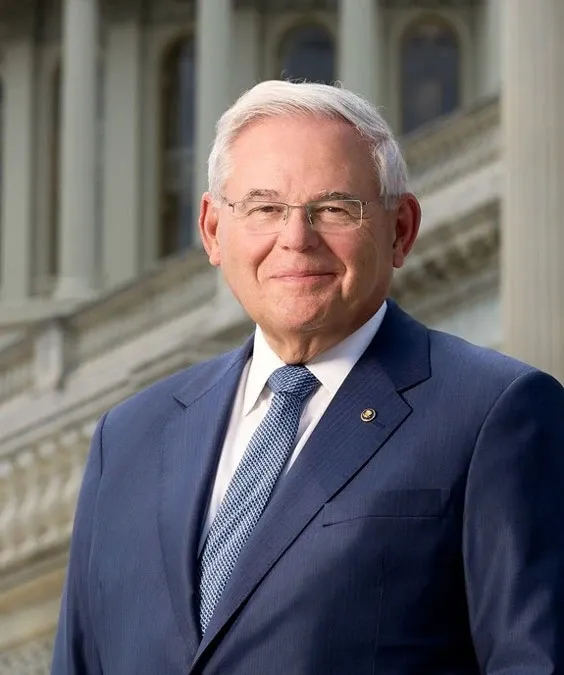
Grover Cleveland
The Public Record
Grover Cleveland was the 22nd and 24th President of the United States, serving two non-consecutive terms from 1885 to 1889 and again from 1893 to 1897. A member of the Democratic Party, he was born in New Jersey and is known for his commitment to honesty and integrity in government. Cleveland's presidency was marked by his opposition to high tariffs and his efforts to reform the civil service system, which earned him a reputation as a champion of the common man.
Jul 8, 1886
I do not understand that the present post-office quarters are either insufficient or inconvenient.
Jul 8, 1886
I am not satisfied that the expenditure of $150,000 for their accommodation, as proposed by this bill, is in accordance with sound business principles or consistent with that economy in public affairs which has been promised to the people.
Jul 8, 1886
I transmit herewith, for your information, a report from the Secretary of State, inclosing the correspondence which has been exchanged between the Department of State and the Governments of Switzerland and Italy on the subject of…
Jul 8, 1886
At any rate, her rights should not be in the least jeopardized by the completion of the legislation proposed in this bill.
Jul 8, 1886
This, of course, renders the proposed legislation entirely inoperative.
Jul 7, 1886
I respectfully urge the consideration of the convention by the Senate during the present session.
Jul 6, 1886
I am impressed with the belief that the bill under consideration does not sufficiently guard against an invasion of the rights and a disturbance of the peace and quiet of the Indians on the reservation mentioned.
Jul 5, 1886
The fact is, in this case there is no disability which can be traced to the forty days' military service of fifty-four years ago.
Jul 5, 1886
I can not think that such a wholesome provision of law... should be modified upon the facts presented in this case.
Jul 5, 1886
The evidence of disability from the cause alleged is weak, to say the most of it.
Jul 5, 1886
The delay of twenty-one years in presenting the claim for pension certainly needs explanation.
Jul 5, 1886
I am entirely satisfied that the public building provided for in this bill is not immediately necessary.
Jul 5, 1886
I am inclined to think it would have been a fortunate thing if in this case it could have been demonstrated that a man could thrive so well with the chronic diarrhea for fifty-two years as its existence in the case of this good old…
Jul 5, 1886
This does not furnish a good reason for disapproving the erection of other buildings where actually necessary.
Jul 5, 1886
I think little, if any, more infirmity than is usually found in men of the age of the claimant.
Jul 5, 1886
It is hardly fair to ask the Government to grant a pension for the freak or gross heedlessness and recklessness of this soldier.
Jul 5, 1886
Entertaining this belief, I am constrained to withhold my signature from this bill.
Jul 5, 1886
The Government ought not to be called upon to insure against the quarrelsome propensities of its individual soldiers.
Jul 5, 1886
I am entirely unable to see how the injuries are related to the claimant's army service.
Jul 5, 1886
I can hardly see how the Pension Bureau could arrive at any conclusion except that the death of the soldier was not due to his military service.
Politicians like Grover Cleveland