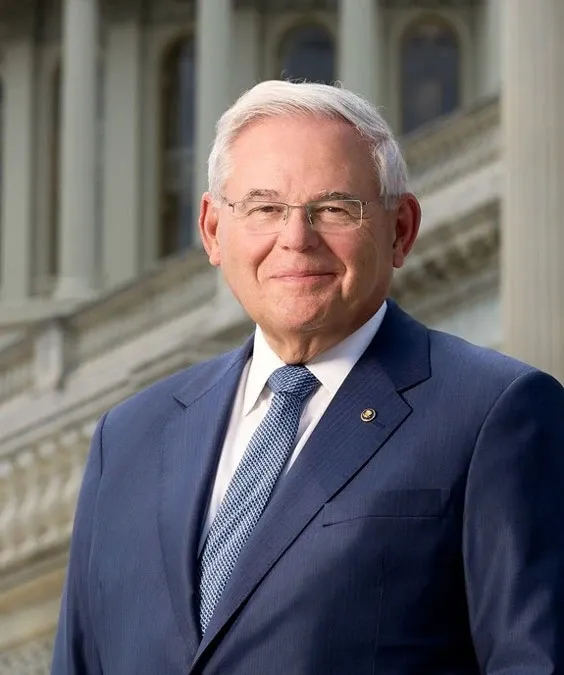
Grover Cleveland
The Public Record
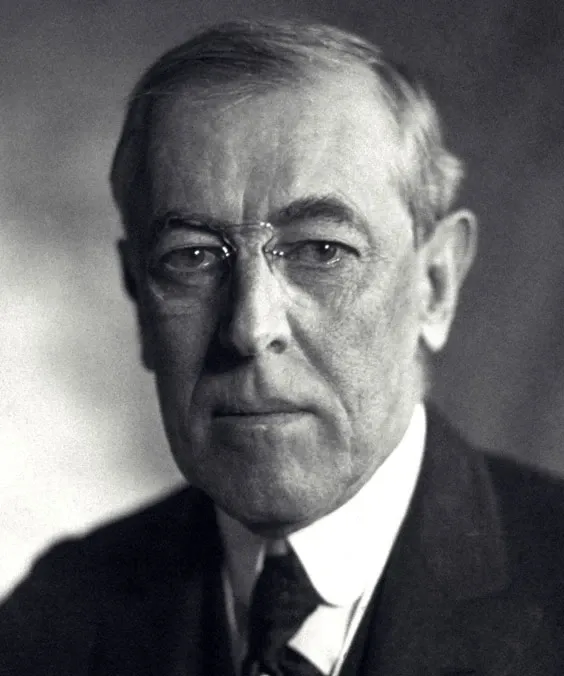
Grover Cleveland was the 22nd and 24th President of the United States, serving two non-consecutive terms from 1885 to 1889 and again from 1893 to 1897. A member of the Democratic Party, he was born in New Jersey and is known for his commitment to honesty and integrity in government. Cleveland's presidency was marked by his opposition to high tariffs and his efforts to reform the civil service system, which earned him a reputation as a champion of the common man.
Aug 1, 1886
If the existence of the commodity taxed and the profits of its manufacture and sale depend upon disposing of it to the people for something else which it deceitfully imitates, the entire enterprise is a fraud and not an industry.
Aug 1, 1886
Certain correspondence and accompanying documents in relation to the arrest and imprisonment at Paso del Norte by Mexican authority of A. K. Cutting, a citizen of the United States.
Aug 1, 1886
This legislation has awakened much interest among the people of the country.
Jul 30, 1886
To grant a pension in this case would clearly contravene the present policy of the Government.
Jul 30, 1886
The trouble and expense incurred by the Pension Bureau to ascertain the truth and to deal fairly by this claimant, and the entire absence of any suspicion of bias against the claim in that Bureau, ought to give weight to its determination.
Jul 30, 1886
I find no medical testimony referred to which with any distinctness charges death to the wound.
Jul 30, 1886
I return without approval House bill No. 9106, entitled 'An act granting a pension to Rachel Barnes.'
Jul 30, 1886
I am sure that in no case except in an application for pension would an attempt be made in the circumstances here developed to attribute death from apoplexy to a wound in the knee received nineteen years before the apoplectic attack.
Jul 30, 1886
I am unable to discover how any different determination could have been reached.
Jul 30, 1886
The object of the bill which I have approved is to extend the limit of the cost to $80,000 and to make the additional appropriation to reach that sum.
Jul 30, 1886
I think it should be sustained; and its correctness is somewhat strengthened by the fact that the claimant continued in active service for more than a year after his alleged sickness.
Jul 30, 1886
I herewith return without my approval Senate bill No. 1421, entitled 'An act granting a pension to William H. Weaver.'
Jul 30, 1886
Attention is called to the existence of this excess of appropriation and the suggestion made that it be returned to the Treasury.
Jul 29, 1886
My approval of the bill is withheld for this reason and in order to prevent an unnecessary and confusing multiplicity of laws.
Jul 29, 1886
I conclude, therefore, that Congress in passing this bill acted in ignorance of the fact that a law providing for its objects and purposes was already on the statute book.
Jul 29, 1886
To the Senate of the United States: In further response to the Senate resolutions of the 10th of May and 10th of July, 1886, touching the seizure and detention of American vessels in Canadian waters, I transmit herewith a letter from the…
Jul 29, 1886
It is hardly possible that the bill now before me is intended to authorize an additional bridge between the two towns named.
Jul 28, 1886
I transmit herewith reports from the heads of the several Executive Departments of the Government.
Jul 23, 1886
To the Senate of the United States: In response to the resolutions of the Senate dated respectively May 10 and July 10, 1886, touching alleged seizures and detentions of vessels of the United States in British North American waters, I…
Jul 11, 1886
I transmit herewith a communication of 3d instant, with inclosures, from the Secretary of the Interior, recommending legislative authority for the use of funds from appropriation, Sioux, etc., 1887, for the subsistence of certain Northern…
Jul 9, 1886
I am satisfied that the present necessity for this building is not urgent, and that something may be gained by a delay which will demonstrate more fully the public needs.
Jul 9, 1886
The necessity to the Government of a proper place to hold its courts is the only consideration which should have any weight in determining upon the propriety of expending the money which will be necessary to erect the proposed new building.
Politicians like Grover Cleveland