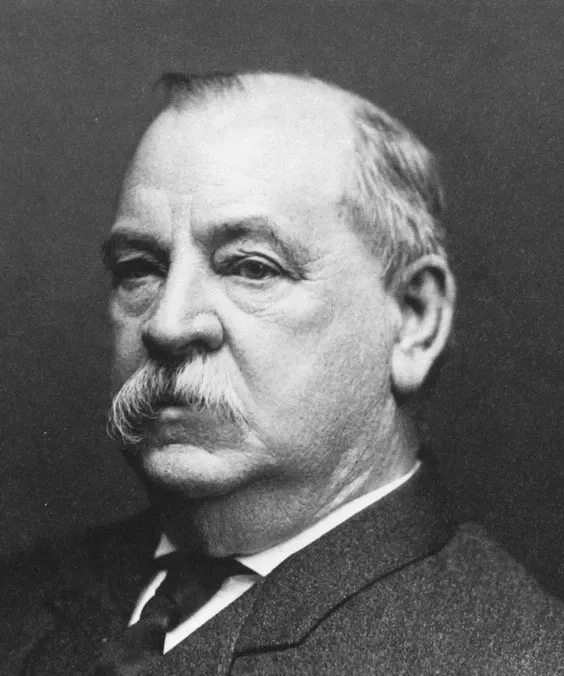
Feb 10, 2020
I don't think we can undo the effects of lead exposure, so we have to do everything we can to prevent it.
The Public Record
Frank Joseph Pallone is an American politician serving as the U.S. Representative for New Jersey's 6th congressional district since 1993. A member of the Democratic Party, Pallone has been a prominent advocate for health care reform, environmental protection, and consumer rights. He has played a key role in shaping legislation related to public health and climate change, often speaking out against policies he views as detrimental to these areas.
I don't think we can undo the effects of lead exposure, so we have to do everything we can to prevent it.
I obviously don't think this proposal does enough to remove lead service lines.
The science is clear--here is no safe level of lead exposure. The time for action is overdue.
The Safe Drinking Water Act should absolutely ensure that drinking water is safe, and that means health protective, not defined by cost-benefit analysis.
The proposal also falls short of providing the certainty and clarity states and localities need.
Lead is a known toxin and Congress banned lead pipes in '86, but those pipes remain in the ground.
We are falling short and failing communities like Washington, DC, Flint, Michigan, and Newark.
Safe drinking water is a fundamental right and duty of our federal government.
The fact is that the Safe Drinking Water Act instructs EPA to set drinking water standards based on cost-benefit analysis, not public health.
Any final rule that fails to aggressively replace lead service lines will fail to solve the problem of lead in drinking water.
The Environmental Protection Agency (EPA) has an important opportunity to strengthen our protections against lead by revising the Lead and Copper Rule.
To close. I would urge my colleagues on both sides of the aisle to support this resolution. And in doing so, I would like to point to some of the whereas clauses of the actual resolution. It points out that the President has waged an…
I don't have any more speakers other than myself at this time, so I am prepared to close.
We will not make real progress in reducing climate pollution unless there is significant net storage associated with it.
We must develop and deploy technologies to capture and store carbon to prevent it from further elevating greenhouse gas pollution.
This is a bipartisan bill introduced by Representatives Peters, McKinley and Veasey.
This is a thoughtful, widely supported bill. It is the kind of broad bi-partisan legislation that we know we can enact in law and make meaningful changes to our climate policies.
For an independent regulatory agency to help a private party seize state lands to build a pipeline is as wrong as it is bizarre.
I am concerned FERC is simply approving duplicative pipelines with 60-year spans under the guise of market need.
It is alarming that FERC looks at all other environmental impacts of pipeline projects, yet refuses to take climate change seriously.
Do you agree that kids who cannot legally purchase tobacco products should never be the target of tobacco product advertising?
Politicians like Frank Pallone