Feb 25, 2020
The devastating cuts don't end at Medicare, Medicaid and the ACA, the President's proposal, cuts the National Institutes of Health (NIH) by $3 billion, and the Centers for Disease Control and Prevention (CDC) by $675 million.
The Public Record
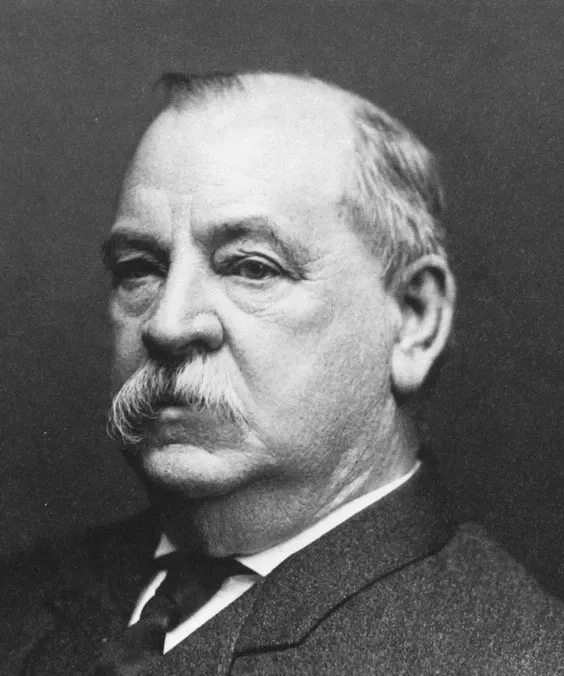
Frank Joseph Pallone is an American politician serving as the U.S. Representative for New Jersey's 6th congressional district since 1993. A member of the Democratic Party, Pallone has been a prominent advocate for health care reform, environmental protection, and consumer rights. He has played a key role in shaping legislation related to public health and climate change, often speaking out against policies he views as detrimental to these areas.
The devastating cuts don't end at Medicare, Medicaid and the ACA, the President's proposal, cuts the National Institutes of Health (NIH) by $3 billion, and the Centers for Disease Control and Prevention (CDC) by $675 million.
These budget cuts also fly in face of President Trump's own words--promising that, as president, he would NOT cut Medicare or Medicaid.
When it comes to ensuring the American people have access to affordable and quality healthcare, the Trump Administration has failed them, and this budget proposal continues that sorry record.
And I am also concerned by the proposal to move tobacco regulation out of the FDA's authority altogether.
Overall, President Trump is proposing a 12-percent cut to the HHS's budget, one of the largest cuts to any Federal agency.
It is unconscionable that the president wants to cut it to pay for tax cuts for millionaires.
And this puts the health and well-being of tens of millions of children, parents, pregnant women, and people with disabilities at risk.
Two years after showering the wealthy and large corporations with major tax breaks, the President's 2021 budget proposal slashes $100 billion from the Affordable Care Act, $500 billion from Medicare, and more than $900 billion from…
I am disappointed, though not surprised, that the Trump administration budget proposal completely contradicts the healthcare promises that the President repeatedly makes to the American people.
Today's hearing serves two critical purposes: first, we will examine the Trump administration's proposed budget for the Department of Health and Human Services for fiscal year 2021, and, second, we will get a crucial update on the…
The budget weakens our public health safety net and it hurts our country's resiliency.
I think that the briefings that are done for the Congress, if I might suggest, should be open to the public.
We know what is happening in China is probably worse than we are being told.
This is a jaw-dropping $1.6 trillion cut from the very Federal programs that cover one in three Americans.
It can't be that in New Jersey you can get an abortion but in Alabama it's almost impossible.
The bill, in my opinion, is critical to ensuring that healthcare providers can provide the care they are trained to provide free of unnecessary restrictions.
This hearing is an important step towards, or forward I should say, in protecting access to abortion and stopping unnecessary state laws that intrude on a woman's ability to exercise her constitutionally-protected right to abortion.
We need a statute that makes it clear that we are going to have fact-based medically-based scientifically-based regulations, not these underhanded tactics to shut clinics and block women from care.
Sadly, we know that anti-abortion restrictions fall hardest on those who already face significant barriers to health care: low-income women, women of color, LGBTQ people, young people, and people living in rural communities.
The result of these increasingly restrictive laws is that women all across the country are having a harder time accessing abortion care, which they have a constitutional right to obtain.
The Women's Health Protection Act would do just that by ensuring the constitutional right to have an abortion is a reality for all people, no matter where they live.
This legislation is necessary today because states have passed an onslaught of ideological bans and restrictions intended to interfere with women's personal medical decision-making.
This bill would codify into law that access to an abortion is essential to women's health.
Politicians like Frank Pallone