Apr 12, 2016
Citizens should be given the ability to bring suits to enforce the Safe Drinking Water Act when there is a substantial and imminent endangerment like there was in Flint.
The Public Record
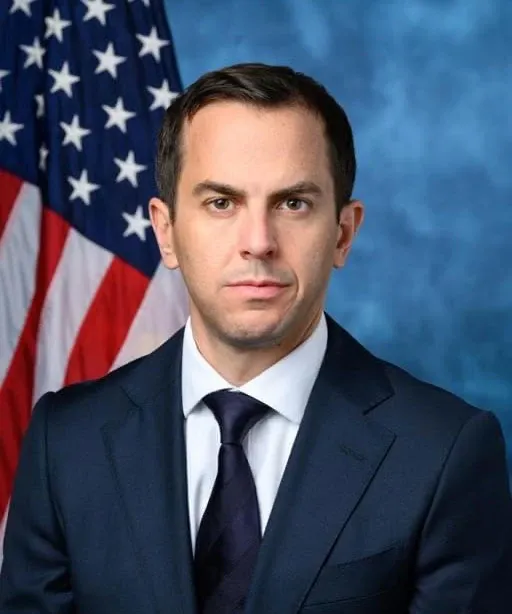
Frank Joseph Pallone is an American politician serving as the U.S. Representative for New Jersey's 6th congressional district since 1993. A member of the Democratic Party, Pallone has been a prominent advocate for health care reform, environmental protection, and consumer rights. He has played a key role in shaping legislation related to public health and climate change, often speaking out against policies he views as detrimental to these areas.
Citizens should be given the ability to bring suits to enforce the Safe Drinking Water Act when there is a substantial and imminent endangerment like there was in Flint.
First and foremost, we must do everything we can to support the women, children, and families in Flint affected by this public health crisis.
It's important that we all recognize that all levels of Government will need to invest untold millions, if not billions, to mitigate the damage to Flint residents caused by this man-made disaster.
The people in Flint need a fully functional drinking water system that delivers safe water to their homes.
We must decide what is needed to fix Flint's infrastructure and address the potential impacts lead contamination may have on Flint's children.
I remain extremely concerned about the water and health crisis. Flint has been without safe drinking water for far too long.
I believe we should examine and have a leverage of benefits of new technology to help address priorities like addressing inequality.
If Republicans truly want to control the costs in the Lifeline program, their blunt force bill is the wrong approach.
The SANDy Act would recognize the critical role that all communications providers--broadcasters, cable, and telecommunications--serve in emergencies.
But unlike the other bills that we are considering today that propose ways to improve public safety, this bill to curb the Lifeline program would take essential lifesaving devices away from the people who need help the most.
The provisions of H.R. 4884 would gut the Lifeline program by setting a cap, forcing a rapid phase-out of voice services.
Telecommunications plays a critical role in public safety, and ensuring people have access to communications services can make all the difference during an emergency.
I would like to thank Chairman Walden for adding three Democratic bills to today's hearing including my bill, the Securing Access to Network in Disasters called the SANDy Act.
Unfortunately, I must express serious concerns about one bill, H.R. 4884, which would cap the Lifeline program.
I am going to try to work with you and my colleagues, as we did last year, to restore this funding.
I was disappointed to see that the BEACH Act Grant Program has been zeroed-out again in the President's budget.
The problem that I have with both the BEACHES Act and the helicopter is that... they can't fill the gap.
I think that it is clear that the Superfund and brownfields programs show that creating jobs and cleaning up the environment are not mutually-exclusive.
Unfortunately, Congress has failed to reinstate the Superfund tax, leading to fewer resources for the program.
We simply cannot allow this essential infrastructure to deteriorate further.
We should be working together to make these critical investments to ensure the health of our communities.
Politicians like Frank Pallone