Apr 13, 2016
It is important for us to look back and acknowledge what this law has accomplished--a 30 percent reduction in ozone levels since 1980.
The Public Record
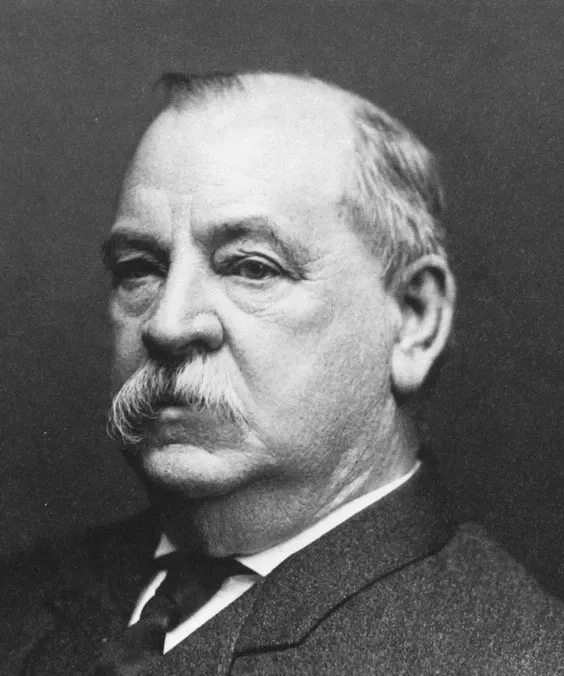
Frank Joseph Pallone is an American politician serving as the U.S. Representative for New Jersey's 6th congressional district since 1993. A member of the Democratic Party, Pallone has been a prominent advocate for health care reform, environmental protection, and consumer rights. He has played a key role in shaping legislation related to public health and climate change, often speaking out against policies he views as detrimental to these areas.
It is important for us to look back and acknowledge what this law has accomplished--a 30 percent reduction in ozone levels since 1980.
After reviewing the bill, it is clear to me that H.R. 4775 would drastically alter the Clean Air Act to weaken air quality protections.
I want to thank you, because as I see it this Section 3(h) would create a loophole that would allow localities to disregard dangerous air pollution.
Well, is there any justification for this change other than making bad air quality look good to avoid controlling air pollution or what is the justification other than that?
So for downwind States like yours and mine also, by the way, I am concerned that this change, you know, makes the air quality problems from transport a lot worse.
Regulations that are unnecessarily costly and restrictive, and that result in overlapping requirements and deadlines, are the last thing job-creators in Michigan and across the country need.
That's a dramatic move in the wrong direction on science-based decisionmaking.
This structure has been extraordinarily effective for 46 years in cleaning the air and protecting public health.
Make no mistake: H.R. 4775 is a broad attack on some of the most important and successful tenets of the Clean Air Act.
The legislation also includes a provision to alter the way that air quality monitoring data is interpreted, discounting air quality measurements taken during normal weather and climate cycles like heat waves and droughts.
This would allow polluters to override scientists, leading to air quality standards based on profits rather than health and reversing decades of progress in cleaning our air.
Make no mistake, H.R. 4775 is a broad attack on some of the most important and successful tenets of the Clean Air Act including health-based standards and protections for all criteria of pollutants.
I don't want the agency moving away from mandatory standards. That is my concern.
It is an exciting time in the automotive world right now from vehicle-to-vehicle communication, to self-parking cars, to automatic braking.
I just urge you to find ways to prioritize assistance going to these communities because we don't want to create a two-tier system.
I really appreciated Mr. Upton's call for EPA to get the revisions done before 2017.
Lead in the water is another really important source of lead and the infrastructure issues make us all need to pay much more attention to lead.
Politicians like Frank Pallone