Oct 27, 2009
But it could be a whole lot better. And we need to make some tough decisions to invest in our energy future if we are ever going to get to a clean energy economy.
The Public Record
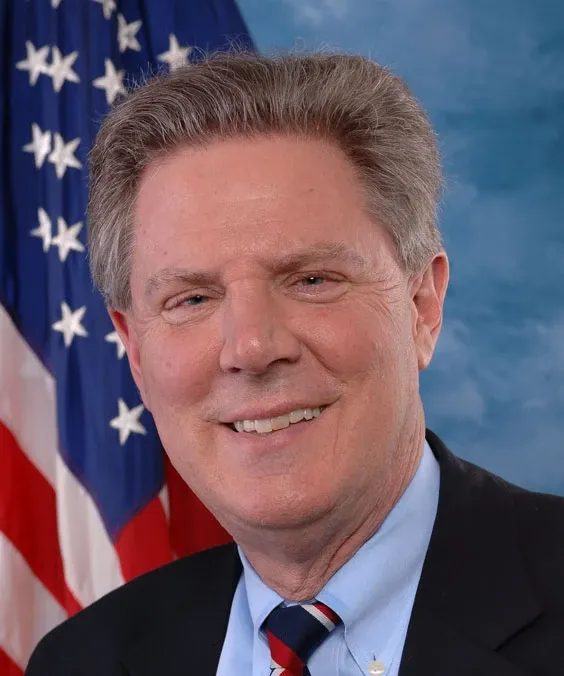
Frank Lautenberg was a prominent American businessman and politician who served as a United States Senator from New Jersey. A member of the Democratic Party, Lautenberg held office from 1982 to 2001 and again from 2003 until his death in 2013. He was known for his advocacy on issues related to transportation, public health, and environmental protection. Lautenberg played a key role in the passage of legislation aimed at improving safety standards in transportation and addressing public health concerns, including efforts to reduce smoking and improve air quality.
But it could be a whole lot better. And we need to make some tough decisions to invest in our energy future if we are ever going to get to a clean energy economy.
When South Dakota had floods and terrible things happening, we were there to help them through a natural disaster.
The price that these people are willing to pay is so enormous, as we see now in Afghanistan and have seen in Iraq.
I do want to say publicly about how inspired we are by the leadership of Senator Boxer.
The inaction on global warming could cost 10 times as much as transitioning to a clean energy economy
U.S. has got to cap emissions to at least 20 percent below 2005 levels by the year 2020.
The reason that we want to do these things is a benefit to ourselves, to our families, to future generations, to the health and well-being of America.
This bill is a good start--but we've got to do a lot more to support cleaner and more efficient transportation.
We must begin by setting a science-based target for reducing global warming pollution--and this bill gets that done.
Our dependence on oil causes global warming, but it also distorts our foreign policy, leaving us at the mercy of the few countries that control most of the world's oil.
Too many people fighting for too few resources breeds conflict, terrorism and war.
Without bold action now to significantly reduce our dependence on fossil fuels, our national security will be at greater risk.
Global warming is threatening the future of our planet. It is harming our health. It is destroying our ecosystems. And it is threatening our security.
What would I pay in taxes, what would any American spend in taxes if we could reverse the damage of an illness that they might carry through their lives?
We ought to have in our audience a bunch of children, 6 to 10, 6 to 11 years old, and explain to them why it is that we want to fight about this.
Freeze LCVs, allowing them to continue to operate where they had previously been operating
Do you support expanding this ban to our 160,000-mile national highway system?
Are you willing--or, do you agree that it might be a good idea to get EOBRs on all the trucks out there?
I appreciate your question and the importance of the EOBR, and am committed to putting that rule and that particular issue among my top priorities.
The electric onboard recorders accurately track the number of hours a truckdriver is behind the wheel.
Despite evidence that driver fatigue--and you recognized that in your opening statement--is a factor in many fatal truck crashes, the Bush Administration sought to allow truckdrivers to stay behind the wheel for longer periods of time.
Over the past decade, the number of people killed in crashes with large trucks has averaged 5,000 each year.
If confirmed, I will be a fair and balanced regulator, and will use both data-driven research, data-driven policymaking.
Politicians like Frank Lautenberg