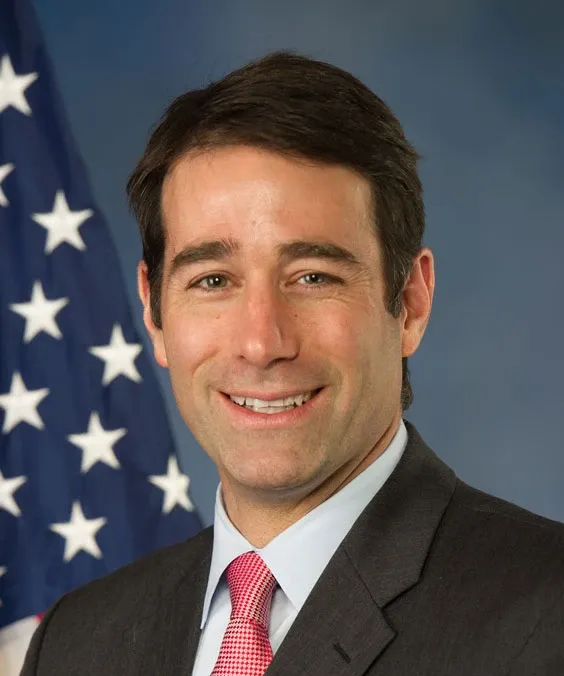
David Vitter
The Public Record
David Vitter is a former United States Senator from Louisiana, serving from 2005 to 2017. A member of the Republican Party, Vitter was known for his focus on issues such as transportation, infrastructure, and environmental policy. During his tenure, he served on various Senate committees, including the Environment and Public Works Committee, where he addressed topics like water quality and pharmaceuticals in the nation's waters.
Jul 30, 2013
I consider them important partners. No partner should just get anything, everything they want.
Jul 30, 2013
Certainly not anybody's goal who has been involved in this bill to have EPA spinning its wheels in initial assessments for a decade or more.
Jul 30, 2013
I think you have made it clear that those are decoupled. I think that is a big step forward from the current law.
Jul 30, 2013
I found this hearing very, very useful, and it continues a lot of conversations with all interested stakeholders.
Jul 30, 2013
I think it is a perfect example of one of the misimpressions I was talking about in my opening statement.
Jul 30, 2013
We are working on proposed revisions to the bill to address all of these concerns.
Jul 30, 2013
In no way, shape or form did Frank and I intend this legislation to eliminate private rights of action under State tort law.
Jul 30, 2013
We thought that was clear in our language, but Senator Udall and I are going to make it crystal clear in our manager's amendment.
Jul 30, 2013
We are not trying to shut down any private causes of action, we are not trying to have any significant impact there.
Jul 30, 2013
I want to particularly highlight the testimony of two folks who were in charge of this exact set of rules and regulations in law at the EPA.
Jul 30, 2013
Thank you very much, Chairman Boxer, for convening this important hearing today on Toxic Substances Control Act.
Jul 23, 2013
Well, I am hoping that we are going to change that record over time and that once this office is ramped up in terms of staffing, we will streamline the process.
Jul 23, 2013
I think part of the challenge now that it is so popular and fully funded is the way that DOT is structured to administer those loans is not particularly as effective as it could be.
Jul 23, 2013
I think I disagree with that. Would that not, in fact, increase the uncertainty and probably increase the bureaucratic time requirement in such a way that is would be less effective and more costly in the marketplace?
Jul 23, 2013
I am glad one significant person is here from DOT to listen to this because that is the point.
Jul 23, 2013
I am not suggesting that we should bend much less break the rules about eligibility or creditworthiness.
Jul 23, 2013
I would urge you to go look at that and maybe supplement your answer because if what you say is true, and I hope it is, then it is just sort of a useless time-consuming question and then why not take it out and not make people, you know…
Jul 22, 2013
A big set of concerns of Republicans on the committee has been the need for increased transparency and accountability.
Politicians like David Vitter