Aug 24, 2011
We do have a tremendous--I do not know what to call it--it is a misunderstanding on the part of an awful lot of people who want to shape the farm program to help small family farmers.
The Public Record
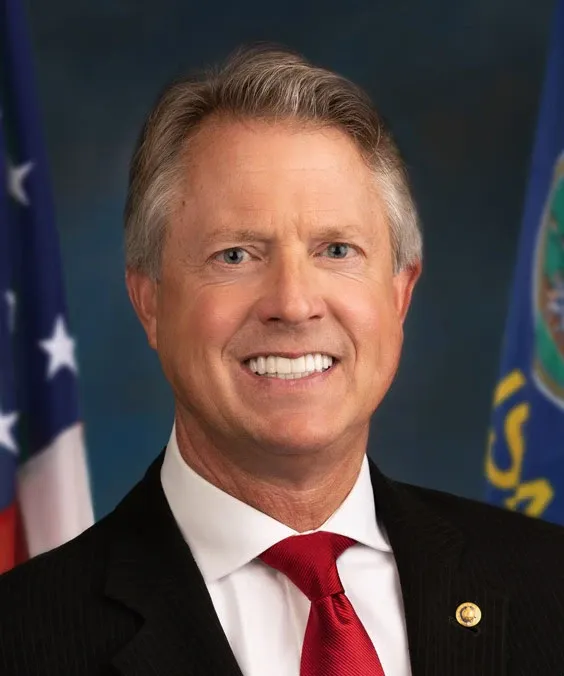
Pat Roberts is a former United States Senator from Kansas, serving from 1997 to 2021. A member of the Republican Party, he was known for his work on agricultural policy and national security issues during his tenure. Before his time in the Senate, Roberts served in the U.S. House of Representatives from 1981 to 1997. Throughout his political career, he focused on issues important to Kansas, including farming and rural development. Roberts was also involved in various committees, including the Senate Committee on Agriculture, Nutrition, and Forestry, where he played a significant role in shaping agricultural legislation.
We do have a tremendous--I do not know what to call it--it is a misunderstanding on the part of an awful lot of people who want to shape the farm program to help small family farmers.
Given the tight budget environment that we are looking forward to streamlining programs and try to increase the efficiencies, are there areas within the farm programs that you utilize where you think there might be opportunities for some…
Small farmers, God bless them, and all the niche markets and I love specialty crops.
So often I hear from producers that the heavy hand of Government intervention impacts them more than any other program.
I am always fond of telling the National Cotton Council and my southern colleagues that when Stephen Foster wrote that little song, Those Old Cotton Fields Back Home, he was talking about Kansas.
Well, then conversely, if that loan was not available, how would a change of financing costs and your co-ops' ability to even make those improvements?
Let me just say that both the Chairwoman and I are very strong supporters of EQIP.
We have the darnedst time and I know that your staff does, too, just keeping up with the dang fool regulations and the cost.
I am hopeful that he will take a close look at the letter that I sent listing the regulations that you all have told me are simply counterproductive.
The only problem is that not many farmers I know, even in dry land operations, are going into the business of insuring their pastures starting out.
It took us about a year-and-a-half to get the damn thing done, but we got it done.
When you come back, drop in. We will try to find out who is in charge of the rural fugitive dust program.
Science-based nutrition standards for foods, one, improve the nutritional profile of school foods.
We need those producers to stay in business if we are going to meet this global challenge and do so in a way in that protects our most valuable resource, our future generations.
We do not need to post an EPA inspector at every county road to find a grain truck if it is tearing up dust.
I want to thank the 46th Governor of Kansas, my dear friend and colleague, Sam Brownback.
To be a farmer in Finney County, Kansas, America, and produce what you do produce in the good years to help our country, this country and a very troubled and hungry world, you cannot do that.
the most important question we face in agriculture is not all of the details in the Farm Bill. It is, where is the next generation of farmers going to come from.
I will continue to work to repeal the President's health law to ensure that these premium increases are not fully realized.
the President promised to reduce premiums for all Americans by $2,500, a report published last week by the Centers for Medicare and Medicaid Services shows that premiums will increase by 9.4 percent in 2014.
It is safe to say that in the history of ill-conceived Federal lawmaking, no law has failed as magnificently and predictably as the President's misguided and misleading effort at health care reform.
Too many questions. Are there any funds available through Section 32 to address the disaster we are going through with the mid-west floods and the drought?
People think of Kansas as a model agricultural state, i.e., we are a lot more involved in a lot of other things.
Politicians like Pat Roberts