Jun 27, 2011
Unfortunately, despite this unmatched success, the livestock industry has been under regulatory attack--those are harsh words; I intend them to be--from both the EPA and the Department of Agriculture.
The Public Record
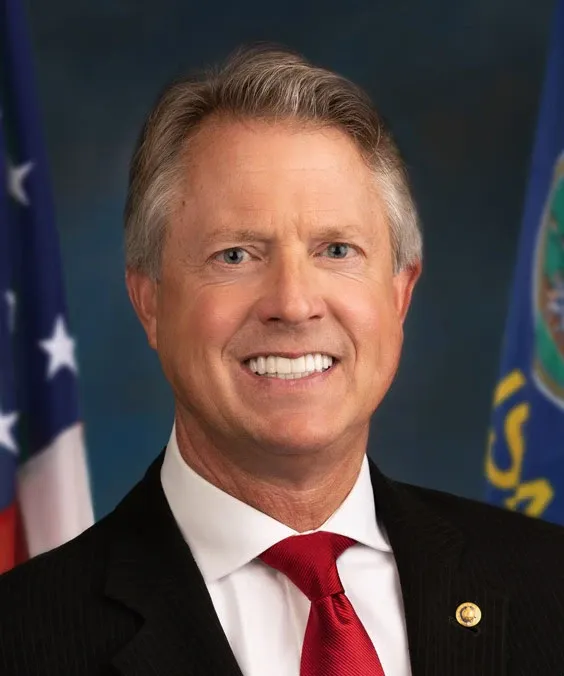
Pat Roberts is a former United States Senator from Kansas, serving from 1997 to 2021. A member of the Republican Party, he was known for his work on agricultural policy and national security issues during his tenure. Before his time in the Senate, Roberts served in the U.S. House of Representatives from 1981 to 1997. Throughout his political career, he focused on issues important to Kansas, including farming and rural development. Roberts was also involved in various committees, including the Senate Committee on Agriculture, Nutrition, and Forestry, where he played a significant role in shaping agricultural legislation.
Unfortunately, despite this unmatched success, the livestock industry has been under regulatory attack--those are harsh words; I intend them to be--from both the EPA and the Department of Agriculture.
Frankly, Secretary Vilsack was not here for the last Farm Bill debate. He did not know all of the history behind the congressional intent on this topic.
The livestock sector is a driver of the agriculture economy, also a major reason agriculture has had a substantial success in the export market.
Despite the strong, clear bipartisan congressional statements and intent on this topic, the Administration went forward in direct opposition to these congressional actions.
To be perfectly blunt, the rule as proposed looked like a trial lawyer's full employment act.
Let me repeat that: The exact proposals that are included in the proposed rule, and we rejected them all, in some cases by a substantial vote margin.
The Administrator said that the new rule will be a plaintiff lawyer's dream. That is his quote. If the rule really only expands opportunities for trial lawyers to sue, why in the heck are we doing this?
Both the Chairwoman and I, we have no other higher priority than to try to do the best we can to preserve that safety net.
I would like to associate myself with the remarks by the distinguished Senator who is doing everything he can to be of help to his state during difficult times.
I do not know what we have done to Mother Nature, but she sure has not been treating us very well.
I have here an unusual letter from the Financial Services Agency of Japan asking why U.S. regulations would apply to Japanese financial institutions operating in Japan, and I think that is a fair question.
The commodity industry from growers to buyers is concerned with your proposal, Mr. Chairman, to what constitutes a bona fide hedge.
I am concerned with yet another agency putting out a litany of regulations that will raise transaction costs, stifle legitimate economic activity, increase unemployment, and create new risks and uncertainty where it did not exist before.
I am particularly concerned, as the Chairwoman and I have expressed in a recent letter to our European counterparts, that our regulatory process is headed for trouble internationally.
I think it would be interesting to have a panel here with Mr. Conner and then have Ms. Born and then Mr. Cooper.
If CFTC has done the analytical work, would you please provide it to this Committee?
I think it is just having a depressing impact on the whole economy, and I am not just talking about the Kansas wheat farmer.
I fear some may suffer a classic case of the cure for Government regulations is more Government regulation.
I believe you have done--this is not the way to deal with a Committee hearing.
I made it mandatory that every panel member be shackled to their chair so that they could hear all panels.
I am concerned that a large number of regulations that the CFTC is proposing and the huge regulatory costs that will be imposed on industry will threaten the economic utility of derivatives.
Who at the CFTC will make the ultimate determination on what changes require a rule to be re-proposed?
Politicians like Pat Roberts