Dec 12, 2011
The fundamental rule in the futures markets business is to segregate--to keep apart--customer accounts and company accounts.
The Public Record
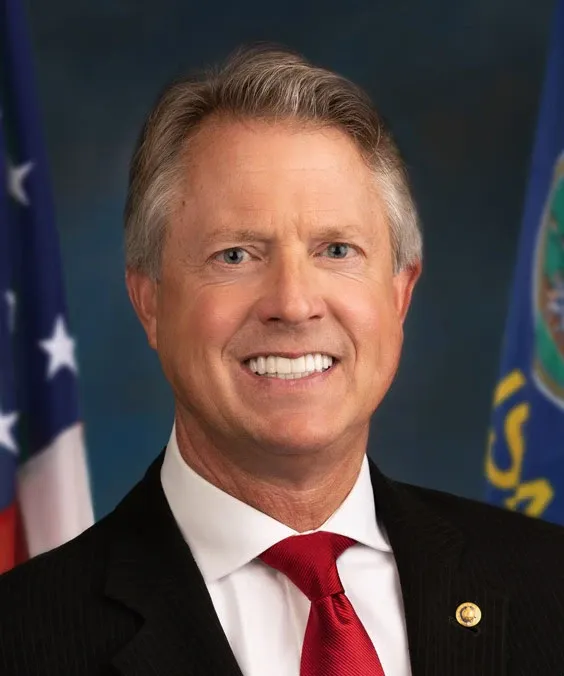
Pat Roberts is a former United States Senator from Kansas, serving from 1997 to 2021. A member of the Republican Party, he was known for his work on agricultural policy and national security issues during his tenure. Before his time in the Senate, Roberts served in the U.S. House of Representatives from 1981 to 1997. Throughout his political career, he focused on issues important to Kansas, including farming and rural development. Roberts was also involved in various committees, including the Senate Committee on Agriculture, Nutrition, and Forestry, where he played a significant role in shaping agricultural legislation.
The fundamental rule in the futures markets business is to segregate--to keep apart--customer accounts and company accounts.
We must find out what happened with MF Global and we must do so in a manner that restores faith in the futures markets.
CFTC oversight, as you have indicated, is a critically important function of this committee.
Unfortunately, in response to the financial crisis, the CFTC, in my view, has been off on a series of tangents.
It is time to get back, as you have indicated, to the core fundamentals over at CFTC.
Thousands of our constituents are looking at the possible loss of hundreds of millions of dollars and it has nothing to do with Dodd-Frank.
I have long been, as I think everybody on the committee has been, an advocate for honest evaluation of the costs and benefits of our government regulations.
Unfortunately, the manner in which Mr. Gensler chose to step aside or recuse himself has raised more questions than it has answered.
I am referring, as the Chairman has indicated, as well, to the collapse and bankruptcy of MF Global.
So all the country elevators out in Kansas can now not worry about putting up on their silos that they are a hedge fund, or that they continue to be a country elevator and not a hedge fund?
I am going to continue in regards to the line of questions that I had for the Chairman.
I cannot think of a more qualified person to serve as a Commissioner of the Federal Communications Commission, and I ask my colleagues to fully support his nomination.
Ajit Pai is a public servant of the highest caliber and a man with the highest level of integrity and character.
I don't know what we did to Mother Nature, but she has not acted in a very welcome way.
Seventy-nine percent of Kansas is currently experiencing drought conditions.
I guess I wanted to mention, we think we should keep that in private hands, not to go into some other program.
And that is one thing that I know the Chairwoman and I are very concerned about, is when an agency just takes it upon themselves to say, Well, we are going to accomplish whatever agenda that they have and work toward that agenda regardless…
Unfortunately, we do not have an endangered species to work on a constant basis with all of these regulatory agencies.
The Federal Government now is in the business of less salt and maybe taxing jelly rolls.
Politicians like Pat Roberts