This healthy reaction was still further shown in wholesome judicial decisions in several Northern States affirming the citizenship of negroes, and denying the right of transit of slave-holders with their slaves over their soil.
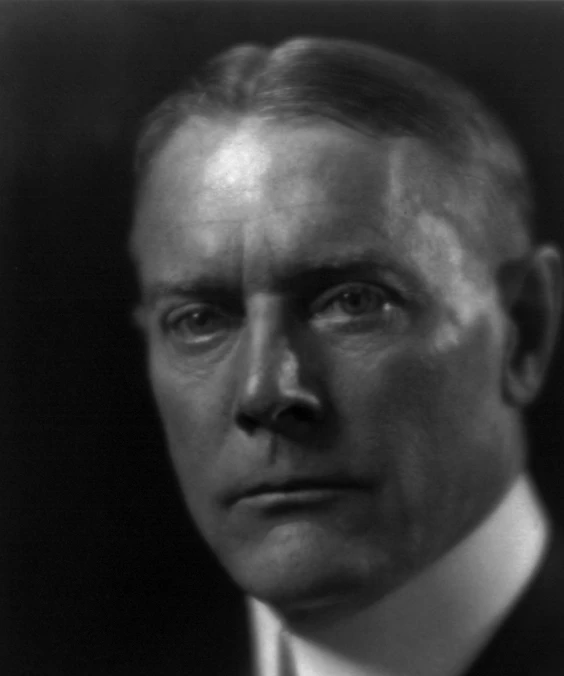
George Julian
The Public Record
George Washington Julian was a politician, lawyer, and writer from Indiana who served in the United States House of Representatives during the 19th century. A leading opponent of slavery, Julian was the Free Soil Party's candidate for vice president in the 1852 election and was a prominent Radical Republican during the American Civil War and the Reconstruction era.
gutenberg.org
But that power was now absolutely bent upon its purpose, and morally incapable of pausing in its work.
Its demand was a slave code for the Territories, and it would accept nothing less.
The resolutions, however, were adopted by the Senate, which thus proclaimed its purpose to nationalize slavery.
The sectional agitation which now stirred the country outstripped all precedent, and completely demonstrated the folly of all schemes of compromise.
Both wings of the party now stood committed to the Dred Scott decision, and that surrendered everything which the extreme men of the South demanded.
A powerful anti-slavery party had at last appeared, as the slow creation of events and the fruit of patient toil and endeavor; but it had against it a popular majority of nearly a million.
The Republicans, notwithstanding their great victory, so recoiled from the thought of sectional strife that for the sake of peace they were ready to forego their demand for the Congressional prohibition of slavery in the Territories.
They even proposed a Constitutional amendment which would have made slavery perpetual in the Republic; but the pampered frenzy of the slave oligarchy defied all remedies, and hurried it headlong into the bloody conspiracy which was to…
Upon the whole, however, I was much pleased with our first Republican Executive, and I returned home more fully inspired than ever with the purpose to sustain him to the utmost in facing the duties of his great office.
Though passion may have strained, it must not break, our bonds of affection.
The mystic cords of memory, stretching from every battle-field and patriot grave to every living heart and hearthstone all over this broad land, will yet swell the chorus of union, when again touched, as they surely will be, by the better…
Their purpose was disunion and war, and every passing day multiplied the proofs that no honorable escape from this fearful alternative was possible.
The thought seems never to have dawned upon him that the slave was a man, and therefore entitled to his natural rights.
The Supreme Court of the United States has decided, what was known to us all to have been the existing state of affairs for fifty years, that slaves are property.
In this passage, as in all that he has written on the subject of slavery, humanity is totally ignored.
He unhesitatingly accepts the Dred Scott decision as law, which the moral sense of the nation and its ablest jurists pronounced a nullity.
Jefferson, in speaking of slavery, said he trembled for his country, and declared that one hour of bondage is fraught with more misery than whole ages of our colonial oppression.
He reverenced the Constitution, but always forgot that its compromises were agreed to in the belief that the institution was in a state of decay, and would soon wear out its life under the pressure of public opinion and private interest.
The growing anti-slavery opinion of the free States, which no power could prevent, and the great moral currents of the times, which were as resistless as the tides of the sea, had no meaning for him, because the Democracy he believed in…
Washington was largely a city of secessionists, and the departments of the Government were plentifully supplied by sympathizers with treason, while the effort put forth at this session to dislodge them was not responded to by the…
It failed utterly of its purpose, and this historic resolve of Congress was only useful to the rebels, who never failed to wield it as a weapon against us, after the teaching of events had compelled us to make slavery the point of attack.
The section of the Act making free the slaves employed against us by the rebels in their military operations was criticised as a bribe to them to fight us, rather than a temptation to espouse our cause.
The policy of both parties to the struggle was thus subordinated to the protection of slavery.
But on the 31st of August a new war policy was inaugurated by the proclamation of General Fremont, giving freedom to the slaves of rebels in his department.
Politicians like George Julian