Their solution is certain, because they are directly in the path of progress, and progress is a law; but whether it shall be heralded by the kindly agencies of peace or the harsh power of war, must depend upon the wise and timely use of…
George Julian
The Public Record
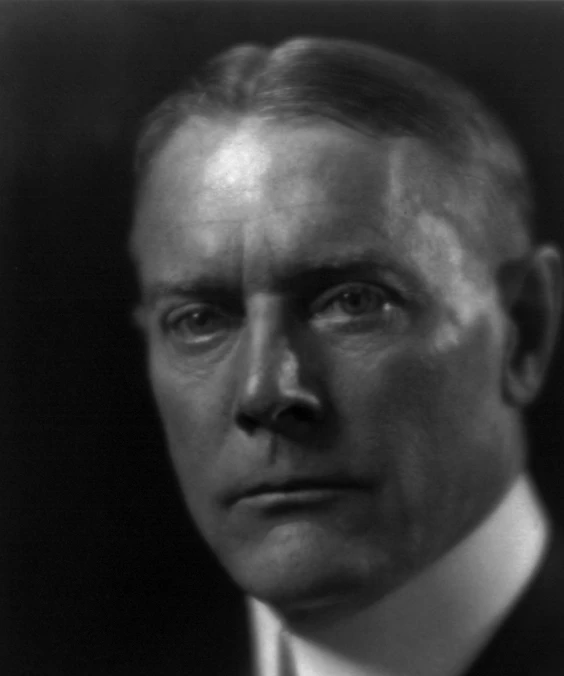
George Washington Julian was a politician, lawyer, and writer from Indiana who served in the United States House of Representatives during the 19th century. A leading opponent of slavery, Julian was the Free Soil Party's candidate for vice president in the 1852 election and was a prominent Radical Republican during the American Civil War and the Reconstruction era.
gutenberg.org
The system of spoils and plunder must also be destroyed, in order that freedom itself may be rescued from the perilous activities quickened into life by its own spirit, and the conduct of public affairs inspired by the great moralities…
The legalized robbery now carried on in the name of Protection to American labor must be overthrown.
The system of agricultural serfdom called Land Monopoly, which is now putting on new forms of danger in the rapid multiplication of great estates and the purchase of vast bodies of lands by foreign capitalists, must be resisted as a still…
Commercial feudalism, wielding its power through the machinery of great corporations which are practically endowed with life officers and the right of hereditary succession and control the makers and expounders of our laws, must be…
The tyranny of industrial domination, which borrows its life from the alliance of concentrated capital with labor-saving machinery, must be overthrown.
The withdrawal of the slavery question from the strife of parties has changed the face of our politics as completely as did its introduction.
He carried his religion courageously into politics, and while arraigning slavery as the grand rebel, he also severely criticised the management of the war and the Border State policy of the President.
The case affords a strange commentary upon the principle of historic justice.
The fate of the men involved in it seems like a perfect travesty of justice and fair play.
He hated slavery with the animosity of a regular Puritan, and when he talked about it everybody listened.
His speeches were remarkable for their pungency and wit, and when the question of slavery was under discussion his soul took fire.
He displayed very decided power in the debate on Reconstruction, and very effectively exposed the weakness of the Republicans in practically dealing with the Rebel States as if they were at once in and out of the Union.
No one questioned his personal integrity, but in later years he was prompt and zealous in the defense of the worst abuses which found shelter in his party.
Howard ranked among the first lawyers and most faithful men in the body, and no man had a clearer grasp of the issues of the war.
Henry Wilson earned the gratitude of his country by his unswerving loyalty to freedom, and his great labors and invaluable services as chairman of the Military Committee.
No man could have made a more absolute surrender of himself to his country in the great conflict which threatened its life.
He was pre-eminently the hero of duty, and the servant of what he believed to be the truth.
Sumner, I think, was the purest man in the Senate, if not the ablest.
The men who controlled Congress during these years of trial were not the intellectual equals of the famous leaders who figured in the great crisis of 1850, but they were a different and generally a better type.
Lincoln did not fully represent the anti-slavery spirit of the Northern States, but it was a decided improvement upon its predecessors.
The circumstances of his death made it peculiarly touching and sacramental, and I was inexpressibly glad that I had fought his battle so unflinchingly, and defended him everywhere against his conscienceless assailants.
What he had sorely needed and was religiously entitled to was the sympathy and succor of good men while he lived, and especially in his heroic struggle for political reconciliation and reform.
It is far easier to praise the dead than do justice to the living; and it was not strange, therefore, that eminent clergymen and doctors of divinity who had silently witnessed the peltings of Mr.
Politicians like George Julian