It is very easy, even for base and recreant characters, to laud a man's virtues after he has gone to his grave and can no longer stand in their path.
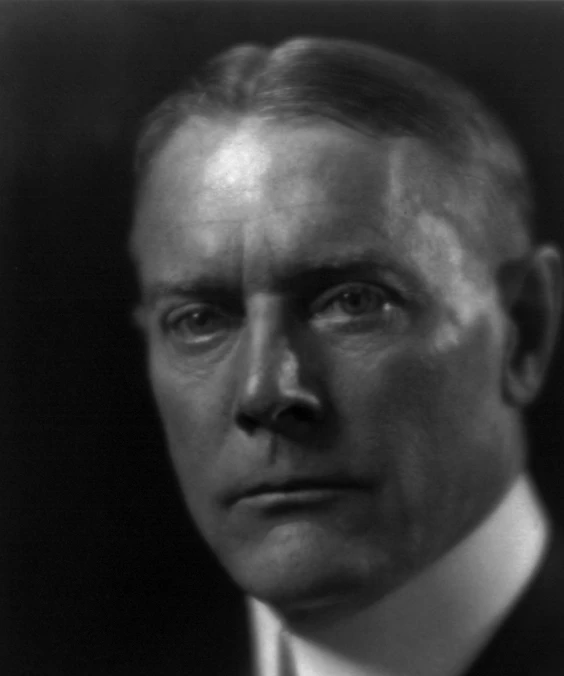
George Julian
The Public Record
George Washington Julian was a politician, lawyer, and writer from Indiana who served in the United States House of Representatives during the 19th century. A leading opponent of slavery, Julian was the Free Soil Party's candidate for vice president in the 1852 election and was a prominent Radical Republican during the American Civil War and the Reconstruction era.
gutenberg.org
No vindication of the maligned Liberals of 1872 could have been more complete, while it summoned to the bar of history the party whose action had thus brought shame upon the Nation and a stain upon Republican institutions.
They were still further and more completely vindicated by the misdeeds of the party they had sought to defeat.
They planted the seed which ripened into a great popular victory four years later, while the policy of reconciliation for which they battled against overwhelming odds was hastened by their labors, and has been finally accepted by the…
I even made myself ridiculous in the opinion of many whose good wishes I desired by showing fair play and giving a fair field in the 'Tribune' to Woman's Rights; and the women have all gone against me!
My welcome to the State was made singularly cordial by the part I had played in Congress in opposing enormous schemes of land monopoly and plunder, which had been concocted by some of her own public servants in the interest of railway…
To charge the Liberal Republicans with apostasy because they had the moral courage to disown and denounce these men was to invent a definition of the term which would have made all the great apostates of history "honorable men.
And how was it possible to fall from political grace by withdrawing from the fellowship of the knaves and traders that formed the body-guard of the President, and were using the Republican party as the instrument of wholesale schemes of…
How could men apostatize from a cause which they had served with unflinching fidelity until it was completely triumphant?
The fervor and enthusiasm of earlier years came back to me, and a kindred courage and faith armed me with the strength which the work of the canvass demanded.
Garbled and forged letters were peddled and paraded over the State by windy political blatherskites, who were hired to propagate the calumnies of their employers.
Garbled extracts from my old war speeches were plentifully scattered over the State, as if we had been still in the midst of the bloody conflict, and I had suddenly betrayed the country to its enemies.
The leaders of Grant, borrowing the spirit of the campaign, set all the canons of decency at defiance.
The Democrats in this canvass were rather handsomely treated; but the fierceness and fury of the Grant men toward the Liberal Republicans were unrelieved by a single element of honor or fair play.
They became unspeakably bitter and venomous, and I never before encountered such torrents of abuse and defamation, outstripping, as it seemed to me, even the rabidness which confronted the Abolitionists in their early experience.
The hearts of the liberal masses were for Greeley, and if he could not be elected, which was by no means certain, his supporters could at least make their organized protest against the mal-administration of the party in power.
Many of the best informed of the Liberal leaders felt that a magnificent opportunity to launch the work of reform and crown it with success had been madly thrown away.
I still think he would have been, and that the work of reform would thus have been thoroughly inaugurated, and the whole current of American politics radically changed.
The thought seemed to inspire every one that a way was now fortunately opened for hastening the end of sectional strife and purifying the administration of public affairs.
It was a spontaneous and independent movement, and its success necessarily depended upon the wisdom of its action and not the force of party obligation.
Their party intolerance would know no bounds, and I was not unmindful of its power; but there was no way of escape, and with a sad heart, but an unflinching purpose, I resolved to face the consequences of my decision.
My new position not only placed me in very strange relations to the Democrats, whose misdeeds I had so earnestly denounced for years; but I could not fail to see that the great body of my old friends would now become my unrelenting foes.
My revolt against its discipline forcibly reminded me of the year 1848, and was by far the severest political trial of my life.
I made it with many keen pangs of regret, for the history of the party had been honorable and glorious, and I had shared in its achievements.
I had no personal grievances to complain of, and most sincerely regretted the necessity which compelled my withdrawal from political associations in which I had labored many long years, and through seasons of great national danger.
Politicians like George Julian