I was then on the stump in my own State, and I found the masses everywhere so wild with joy, that I could scarcely be heard for their shouts.
George Julian
The Public Record
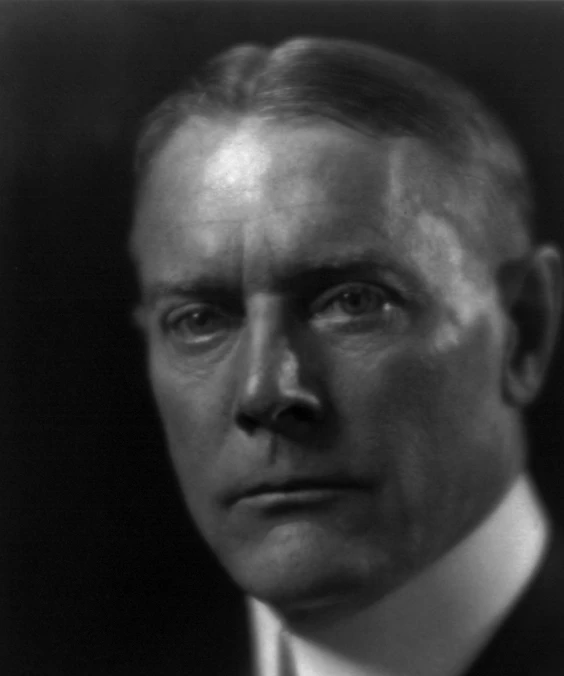
George Washington Julian was a politician, lawyer, and writer from Indiana who served in the United States House of Representatives during the 19th century. A leading opponent of slavery, Julian was the Free Soil Party's candidate for vice president in the 1852 election and was a prominent Radical Republican during the American Civil War and the Reconstruction era.
gutenberg.org
But in the midst of this great exultation and joy the President annulled the proclamation because it went beyond the Confiscation Act of the 6th of August, and was offensive to the Border States.
It was a terrible disappointment to the Republican masses, who could not understand why loyal slaveholders in Kentucky should be offended because the slaves of rebels in Missouri were declared free.
The people longed for a great captain, and on very inadequate grounds they assumed that they had found him, and that the business of war was to be carried on in earnest.
It was quite evident from these facts that Stanton, with all his force of will, did not rule the President, as the public has generally supposed.
Fessenden denounced slave-catching in our army, and referred to a recent case in which fugitives came to our lines with most valuable information as to rebel movements, and were ordered out of camp into the clutches of their hunters.
Stanton said that ten days before McClellan marched toward Manassas, contrabands had come to him with the information that the rebels were preparing to retreat, but that McClellan said he could not trust them.
Wade was now roused, and declared that he had heard McClellan say he had uniformly found the statements of these people reliable, and had got valuable information from them.
But McClellan was still king, and the country was a long way yet from that vigorous war policy which alone could save it.
This persistent purpose of the Administration to save the Union and save slavery with it, naturally provoked criticism, and angered the anti-slavery feeling of the loyal States.
My triumph had no taint of compromise in it, and nothing saved me but perfect courage and absolute defiance of my foes.
Buchanan's administration was the veto of a similar measure, at the bidding of his Southern masters; and the friends of the policy had learned in the struggle of a dozen years that its success was not possible while slavery ruled the…
These are extenuating facts; but the mischiefs of this ill- starred legislation are none the less to be deplored.
These fatal mistakes in our legislation have made the Homestead law a half-way measure, instead of that complete reform in our land policy which was demanded, and they furnish a remarkable commentary upon the boasted friendship of the…
The action of the President in promptly revoking the order of General Hunter, of the ninth of May, declaring free the slaves of the States of Georgia, Florida, and South Carolina, aggravated the growing impatience of the people.
If I had judged him by appearances I should have pronounced him incapable of any deep earnestness of feeling; but his manner was so kindly, and so free from the ordinary crookedness of the politician and the vanity and self-importance of…
This anti-republican discrimination between real and personal property when the nation was struggling for its life against a rebellious aristocracy founded on the monopoly of land and the ownership of negroes, roused a popular opposition…
The anti-slavery critics of the President insisted that in thus dealing with slavery as a matter of total indifference he likened himself to Douglas, who had declared that he didn't care whether slavery was voted up or voted down in the…
They argued that as slavery was the cause of the war and the obstacle to peace, it was the duty of the Government to lay hold of the conscience of the quarrel, and strike at slavery as the grand rebel.
Not to do so, they contended, now that the opportunity was offered, was to make the contest a mere struggle for power, and thus to degrade it to the level of the wars of the Old World, which bring with them nothing for freedom or the race.
They insisted that the failure of the Government to give freedom to our millions in bondage would be a crime only to be measured by that of putting them in chains if they were free.
A Union with slavery spared and reinstated would not be worth the cost of saving it.
To argue that we were fighting for a political abstraction called the Union, and not for the destruction of slavery, was to affront common sense, since nothing but slavery had brought the Union into peril, and nothing could make sure the…
It was to delude ourselves with mere phrases, and conduct the war on false pretenses.
It was to rival the folly of the rebels, who always asservated that they were not fighting for slavery, but only for the right of local self government, when the whole world knew the contrary.
Politicians like George Julian