Feb 26, 2020
I just wanted to offer a comment on--in general, on the infrastructure issues we have.
The Public Record
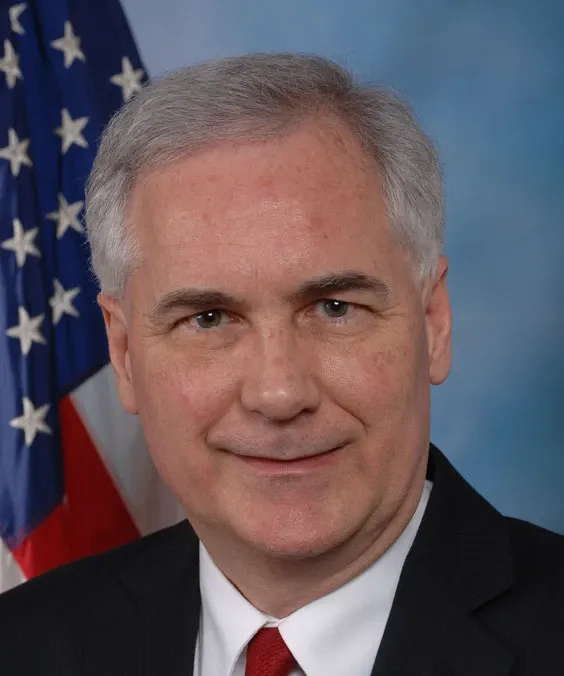
Douglas Lee LaMalfa is an American politician serving as the U.S. Representative for California's 1st congressional district since January 3, 2013. A member of the Republican Party, LaMalfa has focused on issues such as agriculture, natural resources, and rural development during his time in office. He has been an advocate for policies that support farmers and promote economic growth in his district, which encompasses a large portion of Northern California.
I just wanted to offer a comment on--in general, on the infrastructure issues we have.
Bottom line for me is that more material we are getting out of the woods into some type of positive use.
We are the number two importer of wood products, I am just wondering what are we doing?
Our nation's forests are a great natural resource, and today we will examine how innovative wood products can lead to healthy and productive forests and improve rural economies.
Honestly, sir, I look at it as a national security issue because at some point, so much of our product is going to be out-sourced and imported that we are not going to be able to feed ourselves healthy and nutritious fruits and vegetables…
We in Washington have been trying to get less Washington in things and more local here in some of our efforts.
I also want to touch on a couple things here. Mr. Dunn and Mr. Erickson talking about ag labor, and well, do we have a bill for you.
California has had great success using both EQIP and RCPP for conservation projects targeting the Tricolored Blackbird.
Thank you, Madam Chair. Good morning. Thank you, panelists. I appreciate you, Chair Spanberger, for calling this hearing today to update and review on the implementation of these important conservation programs in the Agricultural…
Today we are reviewing access to the nation's voluntary conservation programs.
If you all want to talk about wanting to have cleaner running trucks on the road immediately, especially with CARB coming down on California truckers on January 1, just days away from now, and you make it a much higher bar by having this…
To continue down this road--basically you get to Bakersfield 20 minutes sooner than you would have for many billions of dollars and much ag land lost and parts of cities effected.
The issue in northern California has been pretty tough the last couple years, starting with the Oroville Dam...
We have the opportunity to raise Shasta Dam 18, 600,000 more acre feet on those years that it would fill.
We need real solutions. We have a treasure. We have a national treasure in the San Joaquin Valley, and to see it sit idle because of a lack of water is wrong.
Precision agriculture has increased productivity and in my own experience growing rice with fewer inputs required on our land, water savings, less fertilizer, less pesticides needed.
Indeed, rapid advances in technology over the last several years--I would say several decades--has made precision agriculture more important because of the benefits it will provide.
We are here, of course, as you mentioned, to examine the benefits of precision agriculture on conservation, which is indeed one of the many tools we have at our disposal to help improve conservation practices on farms and ranches.
Thank you, Madam Chair Spanberger, for holding today's hearing, and the way we conduct this Committee. I really appreciate it.
We need much more action by the Forest Service to be inclined to do more on forest management.
The Governor has effectively--and the legislature--has effectively banned my constituents from making a choice, choice for these consumers, and choice for the drivers themselves that want to be--don't want to be employees, rather than be…
I hope we all leave here with an appreciation for the role that well-maintained forest infrastructure can have significant impacts on people's lives.
The record of today's hearing will remain open for 10 calendar days to receive additional material.
Politicians like Doug LaMalfa