We do support the legislation. But we have some concerns and recommendations that I raise with the Subcommittee.
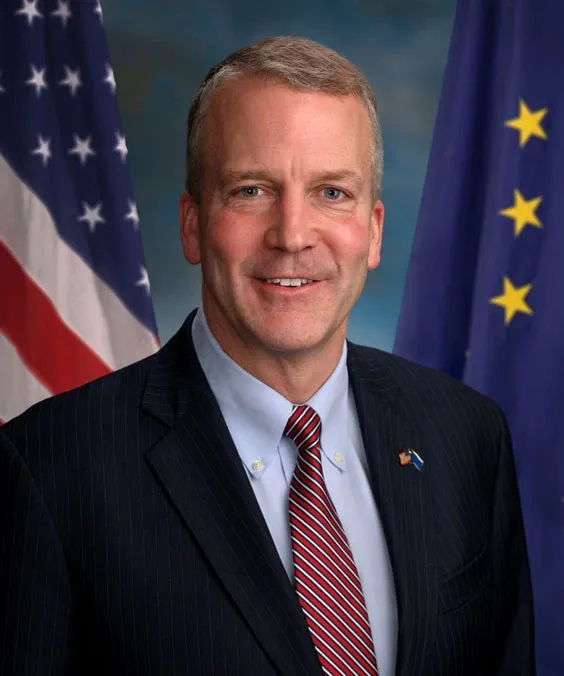
Don Young
The Public Record
Don Young is a Republican politician who served as the U.S. Representative for Alaska's at-large congressional district from 1973 until his passing in 2022. He was the longest-serving member of Congress in Alaska's history and was known for his strong advocacy for Alaskan interests, particularly in areas such as resource development and indigenous rights. Young was a prominent figure in various legislative efforts, including those related to transportation and infrastructure in Alaska. Throughout his tenure, he was recognized for his direct and often colorful communication style, which resonated with many constituents.

I will say that what concerns me most, Mr. Chairman, is I love to hear people say we will have to have--this is not a new problem.
I could take this panel of four here--I do not agree with Dr. Ragen, that is OK, but he has got to be on this side anyway--and probably interpret the science.
I have watched the Administration come down time again, dance around an answer better than anybody I have ever seen.
Let the darn Navy come out and try to take you down, or NMFS, because that is right, what you said the history of the Aleuts has been one of a tragedy.
I go back to Mr. Lang. In scat examples taken, I believe, by the State, 94 percent of the scat from sea lions shows no cod evidence.
this NMFS doesn't have the best available science or even complete science, and, as a result, our fishermen and communities will suffer.
The fact is there are probably more sea lions now in that area than there ever has been.
Congressman Young, you understand the importance of heating fuel prices in Alaska.
We have spent $150 million in sea lion research since the Fiscal Year of, I believe it is 2001. And we still do not have any scientific information.
Most shocking, significant taxpayer dollars have been directed toward research on the Steller sea lion. The National Marine Fisheries Service, NMFS, still cannot answer basic questions, and is making decisions that impact the economies of…
Oh, boy. Does that sound like our great government? I am going to ask that question, too.
But, again, that, by the way, if I can say so has been refuted. There is an increase of population, not a decrease in population.
How would we correct that, because this is what I am asking. NMFS is an agency that has no real qualification for anything, and they are maintaining their brown envelope jobs.
So, if you review those, do you have another formal consultation, or are will you threaten them if they come in with their peer review?
You guys got to support my new bill, Mr. Chairman. I am going to eliminate all regulations from every Agency from '91 to 2011 until they can justify it.
You know, Mr. Tsukada notes that the Western DPS since 2000 has increased 14 percent, yet your opinion relies on a theory that birth rate is declining.
How much did NOAA spend in hiring that person? This is the question I am going to ask you, and I want it in writing.
I want to thank the panel. This is my 40th year on marine mammal and fisheries, and this issue is over actually 20 years old.
Our Congress with its oversight ability ought to look at the funding pots of these agencies.