Mar 1, 2011
Regrettably, the employment opportunities for Americans overall continues to be strained due to the extended economic downturn resulting in sustained unemployment levels in excess of 9 percent.
The Public Record
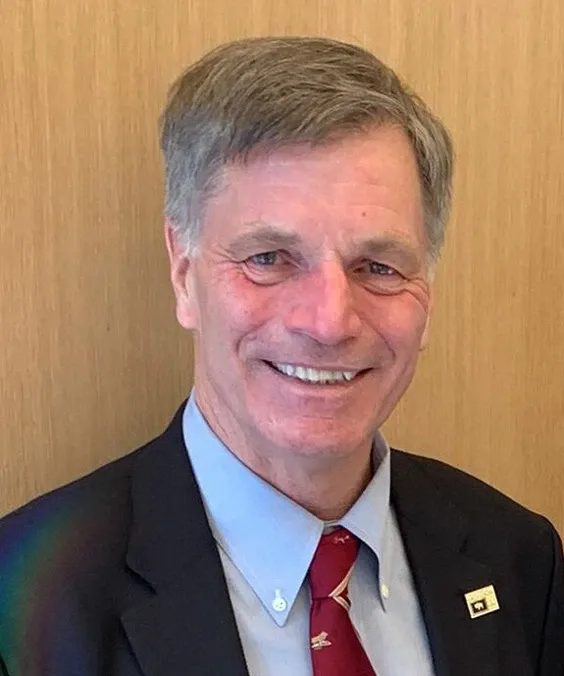
Mike Enzi is a former U.S. Senator from Wyoming, serving from 1997 to 2021. A member of the Republican Party, Enzi was known for his work on various committees, including the Senate Budget Committee and the Senate Health, Education, Labor, and Pensions Committee. Throughout his tenure, he focused on fiscal responsibility, education reform, and healthcare issues. Enzi was recognized for his collaborative approach, often working across party lines to achieve legislative goals.
Regrettably, the employment opportunities for Americans overall continues to be strained due to the extended economic downturn resulting in sustained unemployment levels in excess of 9 percent.
I realize that, and I appreciate Senator Isakson doing that so I could be at another hearing at the first part, too, and I won't have any questions for these two witnesses.
Since the passage of the Americans With Disabilities Act over 20 years ago, Democrats and Republicans have regularly come together to support policies that encourage the participation of individuals with disabilities in all aspects of…
I want to also thank you for your leadership in this area and for your continued commitment to skills training and employment of people with disabilities.
People with disabilities have been particularly hit hard by current economic challenges that limit their opportunities to participate in the workforce resulting in lower workforce participation rates over the past few years.
Americans are in agreement that individuals with intellectual disabilities can and should participate in the workforce.
I have this healthy respect for the importance of flexibility in terms of how States implement this.
The answers we have received, however, are often very late and they rarely adequately address the issue in question.
If they already have it, they can keep it, but there's not any new policies being issued, and consequently, they're getting out of that market.
I thank the panel for their testimony. I'm going to concentrate on trying to figure out what we need to do to eliminate unintended consequences of the new law.
You and I know that the Congressional Budget Office is limited by what documents we give them to make their analysis on.
Congress has an obligation to conduct oversight of Federal agencies, to ensure there is transparency in our government and that Federal dollars are used as Congress intended.
I appreciate that, and I would mention that in the HELP Committee bill, Senator Harkin and I had an amendment that would have allowed for some flexibility for incentives.
I was very pleased at the State of the Union, that the President mentioned that there are flaws in the Health Care bill that need fixing.
The discrimination against children with preexisting health conditions is the worst of all worries for parents
I believe that we can and should do better. I intend to focus on ways to eliminate the provisions in this new law that limit our basic freedoms.
It's easy to pick a few paragraphs out of a 2,700-page law to find a few provisions that are popular.
I don't see how that's going to drive down the health care costs for small businesses.
I would hope that we could make a fix in the law as well, so that people don't just buy their insurance on their way to the emergency room.
We must make health care more affordable for both consumers and the Federal taxpayer.
I think we do have to do all of them, but I still think we will have to do them kind of one at a time.
I did appreciate your comments in the report about when we were doing the tax reform to have transition rules in there.
I was a little disappointed when the President missed the opportunity in the State of the Union speech to say exactly what you have been saying here today.
Politicians like Mike Enzi