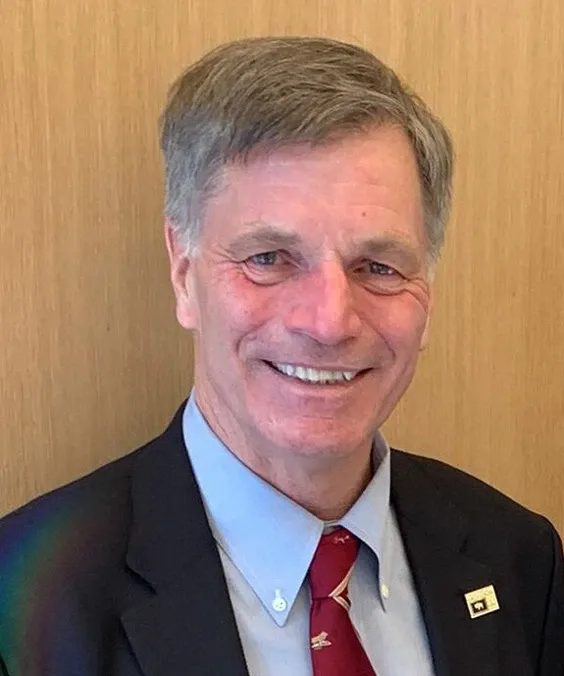
John Barrasso
The Public Record
John Anthony Barrasso is an American politician and physician serving as the senior United States senator from Wyoming since 2007. A member of the Republican Party, Barrasso has focused on issues such as healthcare, energy, and economic growth during his tenure in the Senate. He has been an advocate for reducing government regulations and promoting energy independence, reflecting the interests of his constituents in Wyoming, a state rich in natural resources.
Apr 19, 2011
We would like to get everything in the Senate record that everybody wants to have said on this topic.
Apr 19, 2011
I'd like to see the BIA and the irrigation department and the BIA realty department collaborate to help us with our land and water issues.
Apr 19, 2011
Well, I appreciate all of you taking the time to be here, to share your thoughts.
Apr 19, 2011
We just think there's got to be a lot more interaction between the BIA and the tribes.
Apr 19, 2011
The GAO report said a couple things. One was that the Bureau of Indian Affairs is not accountable to water users.
Apr 19, 2011
I'd like to ask a couple of questions, and maybe we can start with Council leadership of the Tribes.
Apr 19, 2011
Thank you. And as you say, we want to get whole different viewpoints so I appreciate you expressing your thoughts and concerns here.
Apr 19, 2011
I think it's helpful for you to describe where the salaries go and water on the ground and people and different places.
Apr 19, 2011
I know there's concerns among the water users in this room about how the BIA spends operation and maintenance fees.
Apr 19, 2011
Do you believe the Wind River Irrigation Project can meet the Wind River demands with out additional capital?
Apr 19, 2011
I would recommend to you to try to get to that and move that up in the priority list of things that need to be done, because it's troubling when you read an assessment.
Apr 19, 2011
Words like slowly and working down the list, that's not something that the folks here--people in Wyoming kind of like when they see a problem, they fix it, and move onto the next thing.
Apr 19, 2011
One of the most ominous findings in the 2006 report was that the BIA had no long-term plan to address the deferred maintenance issue.
Apr 19, 2011
I want to welcome everyone to the hearing, which is entitled, 'The Wind River Irrigation Project--Issues Arising From and Contributing to Deferred Maintenance and Other Project Management Problems.'
Apr 19, 2011
We work closely together in a bipartisan way to try to find solutions for problems.
Apr 19, 2011
I am so grateful that President Joy McFarland allowed us to come here today for this hearing.
Apr 13, 2011
Well, it is my impression that in so many ways Washington gets it wrong. The Senator is correct. I appreciate his leadership. I did have the opportunity to serve in our State legislature in Wyoming for 5 years. The constitution in Wyoming…
Apr 13, 2011
As Senator Baucus has said, Montana and Wyoming allow the flow of commerce to move from coast to coast.
Apr 13, 2011
Any cessation or any loss of Federal funds is going to have a dramatic impact on that.
Apr 13, 2011
We don't need a regional system that only serves largely populated urban areas.
Apr 13, 2011
There are so many things I think that Washington gets wrong, States get right.
Politicians like John Barrasso