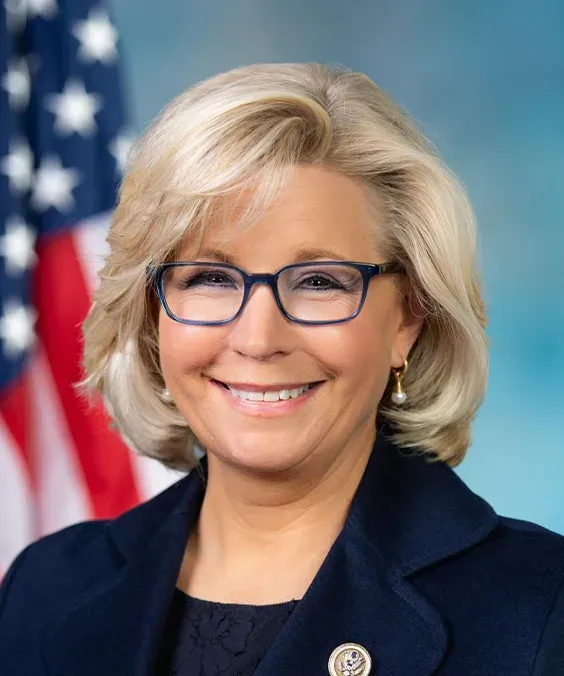
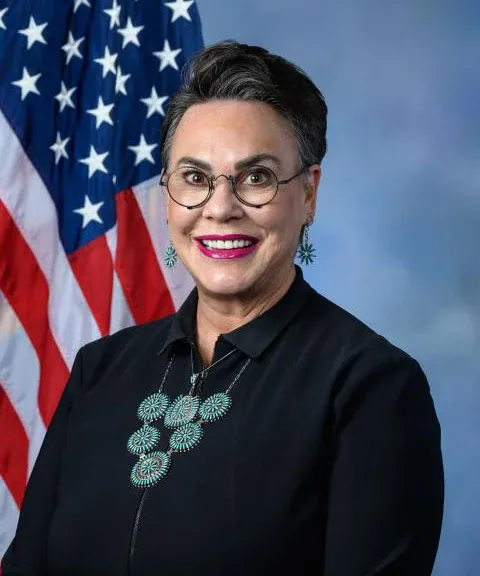
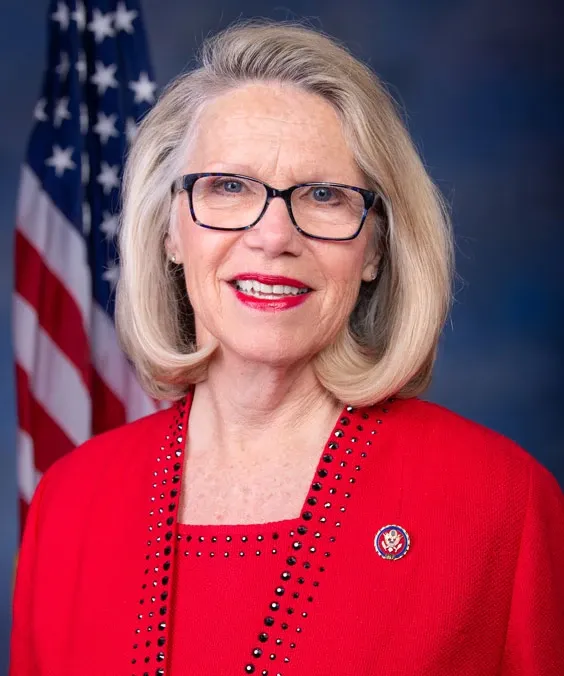
In recognition of the fact that the concern here is the unilateral decrease of the alert status, I now yield the balance of my time to the gentleman from Alabama (Mr. Rogers), the chair of the Armed Services Committee's Strategic Forces…
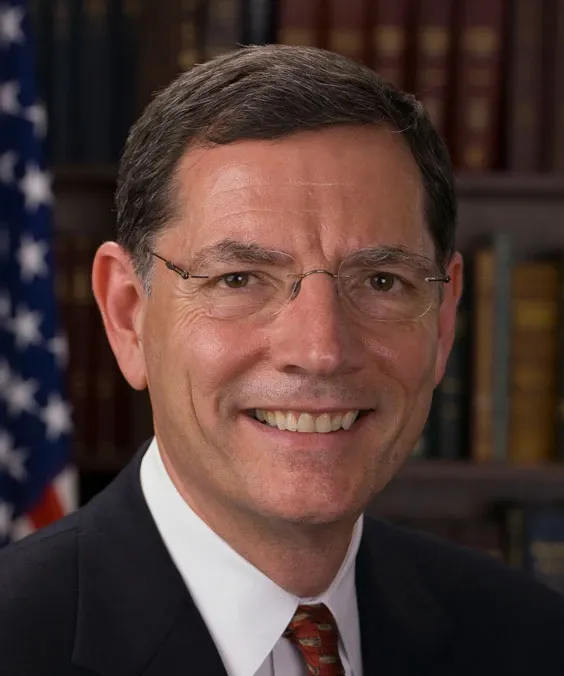
Cynthia Lummis
The Public Record
Cynthia Marie Lummis is an American politician and attorney currently serving as the junior United States senator from Wyoming, a position she has held since January 3, 2021. A member of the Republican Party, Lummis previously served in the U.S. House of Representatives from January 6, 2009, to January 3, 2017. Throughout her political career, she has focused on issues such as fiscal responsibility, energy policy, and the promotion of Wyoming's agricultural interests.
Today, I rise in support of the Lummis-Zinke-Cramer-Smith amendment: to prohibit the unilateral decrease of the alert status of our Nation's ICBM force. Nuclear deterrence is based on the fundamental belief that a nuclear attack on the…
That will lead to project delays, project modifications, added costs, mitigation costs, and, in some cases, even project denials.
Even with the guidance, a non-binding guidance, access to the courts is somehow----
What would be the practical effects of an agency not following the guidance?
So if a disagreement occurs between agencies about the application of the guidance, would CEQ get involved?
This so-called guidance didn't even go through rulemaking, which is astounding when you consider its economic impacts.
Look, major Federal decisions should be informed by an understanding of how they impact our environment.
The new greenhouse gas guidance assumes that any greenhouse gas emissions contribute to global climate change, and are hence environmental impacts.
But the Council on Environmental Quality's revised draft guidance on greenhouse gas emissions turns NEPA on its head.