Mar 13, 2018
Listen, LPTA may be great for buying jet fuel and toilet paper, but for advanced systems in service, it is probably not the best way to go about it.
The Public Record
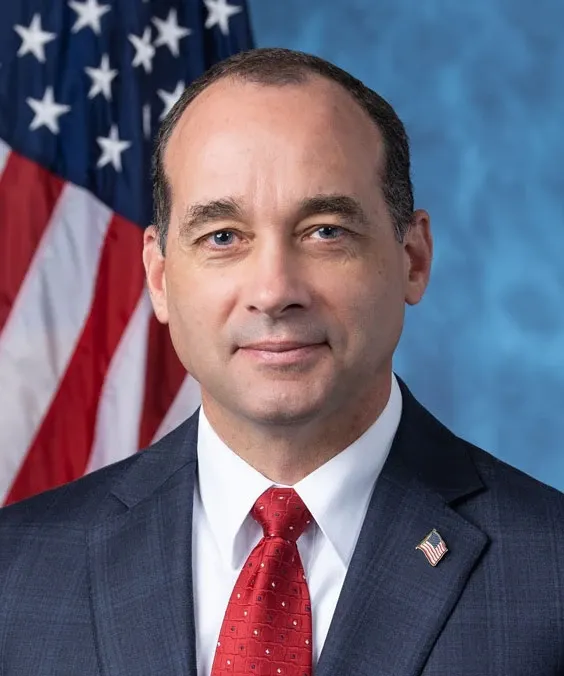
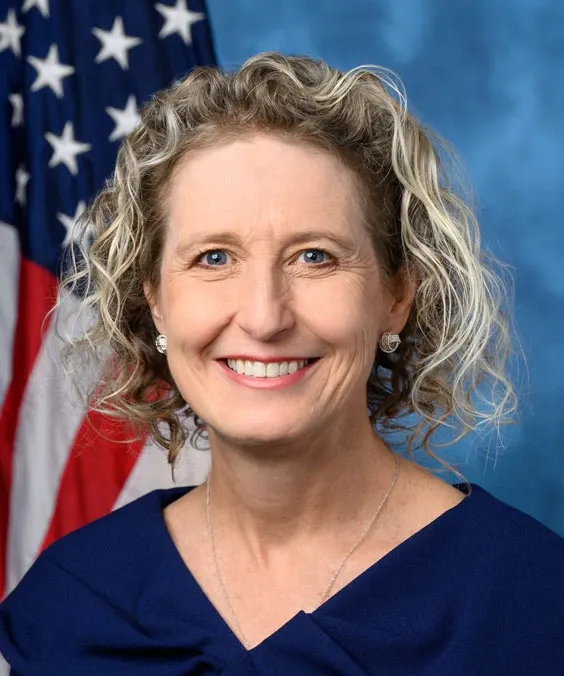
Rob Wittman is a U.S. Representative for Virginia's 1st congressional district, having served since January 9, 2007. A member of the Republican Party, Wittman has focused on issues such as military readiness, veterans' affairs, and environmental protection. He has been an advocate for the Chesapeake Bay and has worked on legislation aimed at improving the health of the bay and its surrounding ecosystems.
Listen, LPTA may be great for buying jet fuel and toilet paper, but for advanced systems in service, it is probably not the best way to go about it.
In order to assure an adequate national defense, it is necessary and sufficient to be in a position in case of war to conquer the command of air.
The fiscal year 2019 budget request for projection forces continues to modernize and recapitalize critical Air Force weapons systems.
The war has been variously termed a war of production and a war of machines. Whatever else it is, so far as the United States is concerned, it is a war of logistics.
This is not a moniker that I relish, but it is a good example of the plight of our sealift forces.
It is obvious to me that we need to turn our attention to airlift and sealift elements of our military strategy and take immediate steps to improve our logistics capabilities.
I think the Department of Defense needs to reassess its commitment to a core military competency: logistics.
I believe there are a number of overlapping issues between our two subcommittees, and I look forward to working with the gentleman from South Carolina to move these issues through the NDAA process.
What we do to train Navy corpsmen and Army medics, so on the battlefield they get the best, survivability rates have gone sky high.
Having the conduit, so once we get them out of that battle space and make sure we support them on that hospital ship I argue is equally as important.
I would argue, if history is any lesson to us, that the support element of the Navy is as critical as the warship component.
I think there is unanimity across folks here to make sure we get those things built.
I am concerned that it does not properly advocate for the Navy the Nation needs.
I think our teams are very strong. And I think this is a very key way for us to maintain our influence and pursue our interests in the CENTCOM maritime environment.
We need to make sure that our junior surface Navy officers need time to excel in their trades.
It is time that we start to take our INSURV process seriously and correct the material problems facing the forward-deployed naval forces.
I would like to thank our witnesses for joining us today, and we want you to please express to the people of Puerto Rico our thoughts and prayers.
I think we all have the same end in mind, and that is to make sure we get where we need to be.
I think this was a really constructive conversation to find out what we can do to help these communities.
Politicians like Rob Wittman