Sep 29, 2009
The contribution of publicly supported agricultural research to advance food production and productivity is well documented.
The Public Record
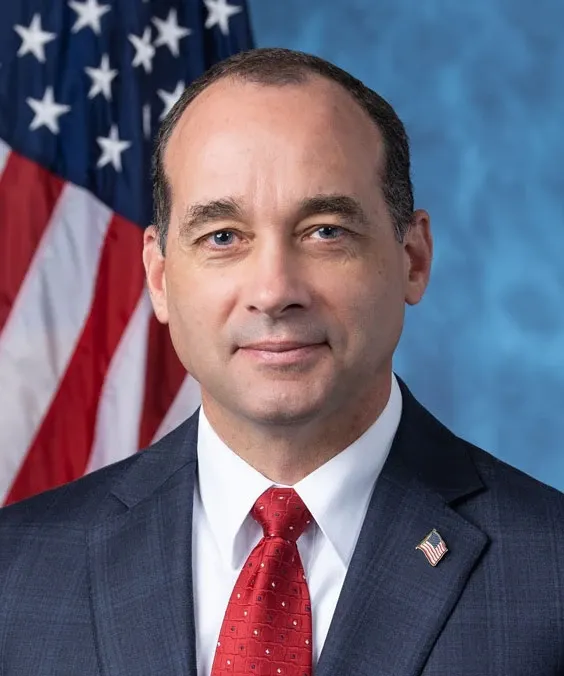
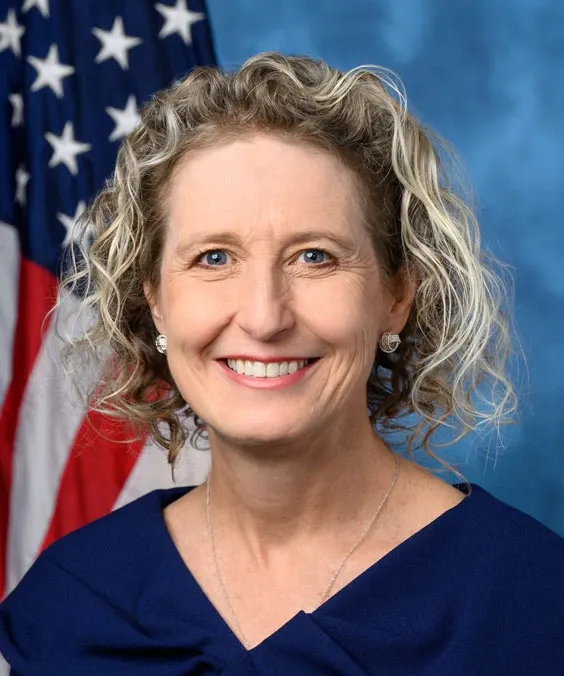
Bob Goodlatte is a former Republican member of the U.S. House of Representatives, serving Virginia's 6th congressional district from 1993 to 2019. During his tenure, he was known for his work on issues related to agriculture, technology, and internet policy. Goodlatte played a significant role in introducing legislation such as the Internet Gambling Prohibition Act of 1999 and the Rural Local Broadcast Signal Act. He also served as the Chairman of the House Judiciary Committee, where he focused on matters including intellectual property and immigration reform.
The contribution of publicly supported agricultural research to advance food production and productivity is well documented.
It has been estimated that around the globe, the Green Revolution has saved over a billion lives from starvation and countless millions more from the ravages of disease and sickness due to malnutrition.
I agree with the gentleman from North Carolina, Mr. Watt, that most of the questions we have here today need to be addressed.
I very much appreciate that this Committee is continuing to devote its attention to such an important issue as the safety of our food supply.
It is unfortunate that the legislation passed out by the Energy and Commerce Committee, H.R. 2749, the Food Safety Enhancement Act of 2009, does so little to enhance food safety.
I have struggled with that with my dairy farmers in Virginia, who ship their milk greater and greater and greater distances primarily because of the nature of this policy and the way it works.
I am also very concerned about the direction that our government is taking in terms of increasing the input costs to dairy farmers.
The cap-and-tax legislation that the Congress passed a few weeks ago, I think ignores the need to increase domestic production of oil and natural gas and nuclear power and so on.
And look at what we are doing to rural America in limiting access to other forms of energy that farmers, ranchers, and businesses that operate in rural areas need, like coal--coal is treated so poorly in this process.
You talk about the transition to a green economy. We are all in favor of that. You talk about the creation of green jobs. But isn't a fact that nowhere in your statement or in the Waxman bill is there any description of how we get there?
we have an unfair allocation here that is going to cause electricity prices to go up for my constituents more than they will in other places.
I am making a plea today for common sense, and I very much appreciate your discussion of the unfairness with the allocations.
The cap-and-trade proposal is really an $846 billion national energy tax that will hit nearly every American.
This bill will raise electric bills across the country by hindering the development of traditional energy sources while also, ironically, limiting the development of renewable energy.
I hope you are right about that, Mr. Secretary, because I am very concerned that the countries that we compete with around the world, where we are already far superior in our environmental practices--you have talked about waste and so on.
If you want to talk about reducing greenhouse gas emissions, nuclear power today, without any of the incentives that ought to be in a bill like this and aren't in a bill like this, already reduces greenhouse gas emissions by a factor of…
Cap-and-trade legislation has the potential to devastate the agriculture community with higher operating costs and destroy ways of life in rural America.
we are not just talking about what happens here in the United States, because it is one atmosphere, it is one globe.
But wouldn't putting a cap on greenhouse gas emissions raise the cost of a wide variety of energy sources?
I think the answer is that it does violate the terms of that Act. I think an automaker by anyone's estimation is not a financial institution.
Our farmers see the government stepping in, spending $1.5 billion on this, however serious it may be.
Politicians like Bob Goodlatte