Mar 13, 2013
Threat typically is not discussed, and when you have a meeting with DHS, typically, it starts with there are no credible threats to the chemical industry at this time.
The Public Record
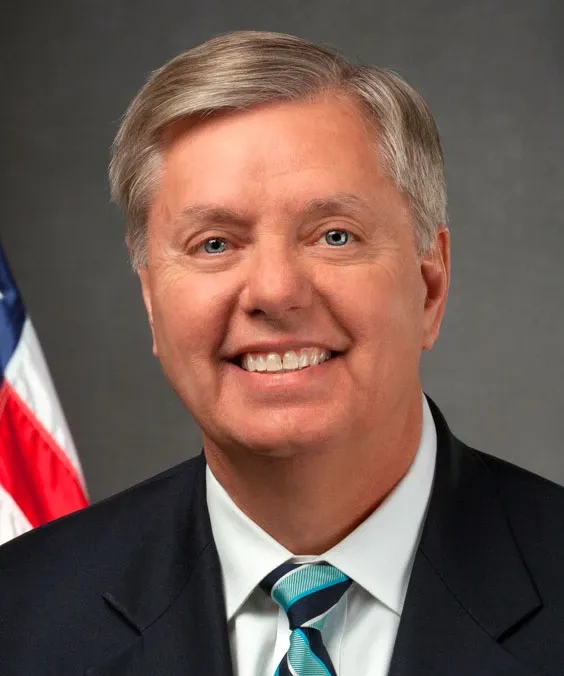
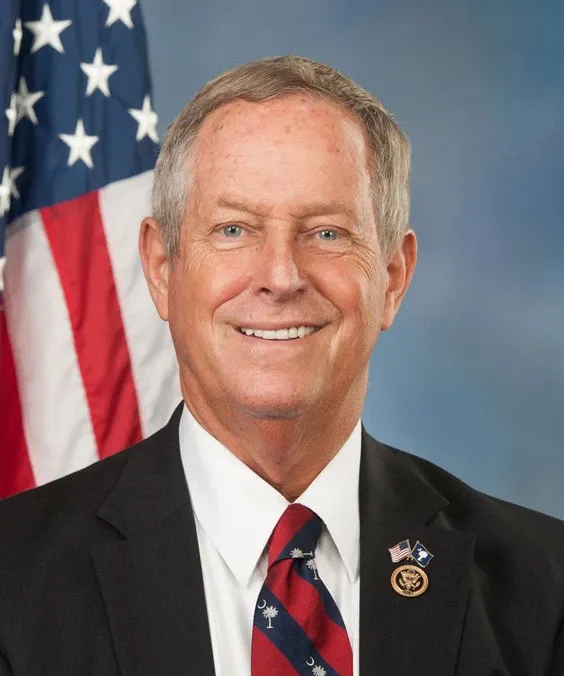
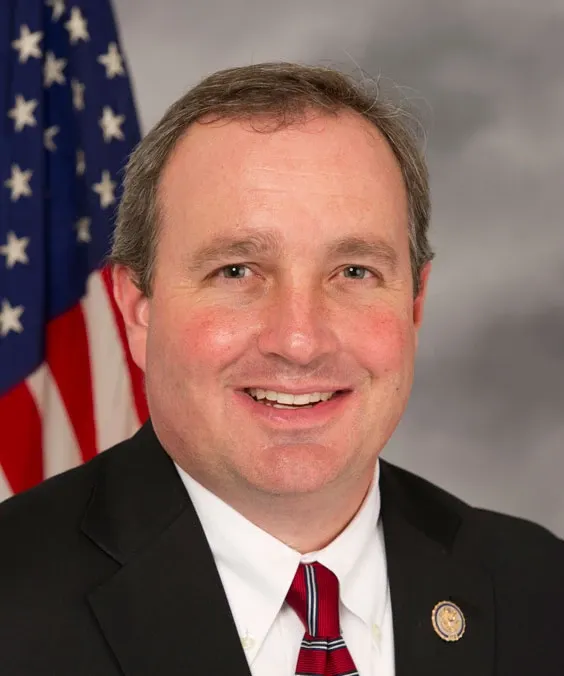
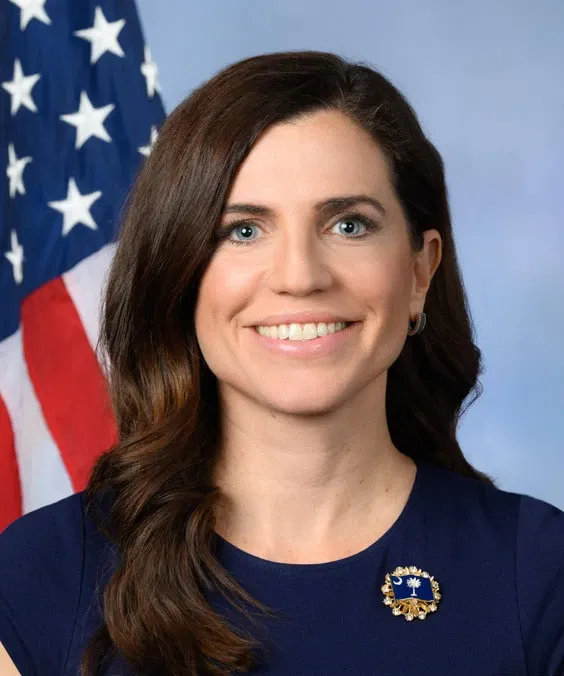
Tim Eugene Scott is an American politician and businessman currently serving as the junior United States senator from South Carolina, a position he has held since January 2, 2013. He is a member of the Republican Party and was previously a United States Representative from May 5, 2011, to January 2, 2013. Scott is known for his focus on issues such as economic opportunity, education reform, and community development. He has been a vocal advocate for updating infrastructure and addressing the needs of senior citizens in his state.
Threat typically is not discussed, and when you have a meeting with DHS, typically, it starts with there are no credible threats to the chemical industry at this time.
I agree. The inefficiency in the process caused a lot of unnecessary work, a lot of information that they have never used, and we don't know where the information went.
You have to identify the baseline on the threats that you are going to address, and then you have to have plans in place to escalate your security programs accordingly as the risk increases.
I would say yes. Looking at the variability in the sites that we have that are covered, there is a lot of question on how we got where we got.
All of the information was submitted. I absolutely think it should be more transparent with the people that we were supposed to be working as partners.
ACC will continue to partner with DHS to achieve success and we need the certainty of a multiyear extension of DHS authority for a sustainable program.
Progress has been made in all areas of chemical security, but there is still, obviously, work to be done.
The drone issue is not an issue. It is not a question about Democrats versus Republicans or the DNC versus the GOP. It is not a question about the executive branch versus the legislative branch. It is not a question about conservatives…
The significant policy shift represented by OSHA's February 21, 2013 Letter of Interpretation regarding the accompaniment of OSHA inspectors by third parties on walk-around inspections is of great concern for a number of reasons.
If we want to create an environment for the largest number of new jobs in America... we need to be very careful and circumspect about any new cost or mandate.
We have to be very careful about decisions we make here, because we're talking about tens of millions of individuals.
We need to be careful in the changing world that we have where businesses aren't like businesses were 40 or 50 years ago.
Thank you, sir. Let me just say thank you to everyone. I have thoroughly enjoyed my time in the House. To my delegation members, there is no better delegation in America to serve with than all of you. I thought I would get a standing…
I think if we are going to put an effort in to combine some things, it certainly shouldn't be with DHS and EPA.
It is the same objective. It is just a different way to submit the site's plan, and it is a more expeditious way to submit the site's plan.
Well, first, we think your legislation is a step in the right direction to clarify roles and responsibilities.
Yes, sir. They seem to be gathering information and holding information within DHS instead of sharing in a partnership, as we started out.
We are going to have them--if they don't tell us, we still have a potential terrorist working in our plant, and that is absolutely crazy.
No, there is absolutely no reason. In fact, most facilities are going to communicate with their local Joint Terrorism Task Force and the FBI and the local law enforcement.
EPA does a very good job in that respect. They do not have a lot of expertise in site-security types of programs.
EPA is very strong on environmental protection and not as strong in site security, physical security, transportation security.
The alternative security plan, the only intent is to give DHS all the information they need to make a decision, improve the security of the site.
Politicians like Tim Scott