Mar 11, 2019
I think that is something we are never going to change no matter what the bill looks like.
The Public Record
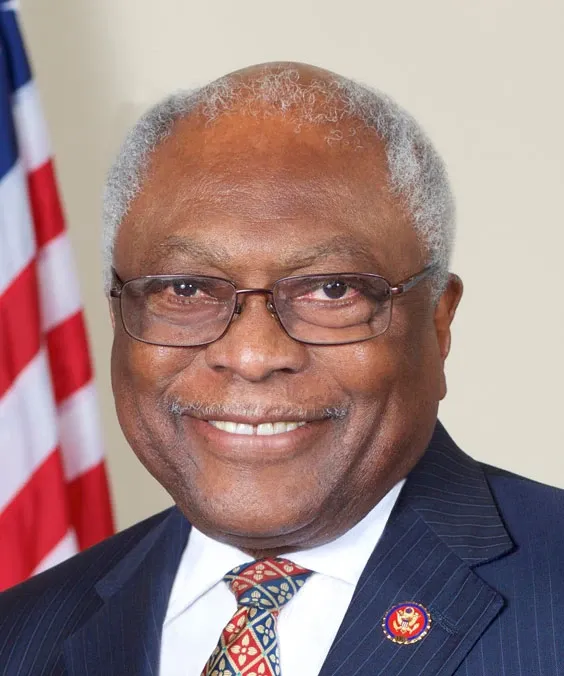
Mike Doyle is a former member of the U.S. House of Representatives, serving South Carolina's 1st congressional district from 1995 to 2021. A member of the Democratic Party, Doyle was known for his focus on issues such as healthcare, education, and infrastructure during his time in office. He played a significant role in various legislative efforts and was involved in initiatives aimed at improving the lives of his constituents. Throughout his tenure, he was recognized for his commitment to public service and community engagement.
I think that is something we are never going to change no matter what the bill looks like.
I would suggest a better approach would be to sit down and talk with us before you drop bills.
If the minority desires a bipartisan approach and wants to work with the majority, they should let us know about that.
We want to guarantee that the United States remains a leader of technological innovation that we have been the last 20 years.
As we work to continue to close the digital divide, we need to decrease barriers to deployment, not increase them.
I thank the gentleman and I would comment that while my good friend, Mr. McDowell, acknowledges that the bill would make it--would make it--prohibit forbearance.
I really think it is important. But I need--when we look at certainty, we need to make sure that we are putting the rights of the consumers and of access first that is what I really think.
The Save the Internet Act does just that. I look forward to it becoming law.
The internet of today grew dramatically with little or no Government interference.
A permanent, legislative solution produced in good faith with our Democratic colleagues is the only way to protect consumers, innovation, and an open internet.
What brings us here is that Speaker Pelosi still believes broadband providers are the real threat.
Frankly, Title II could provide the Federal Government near unlimited and unchecked authority to regulate and tax.
I would just say to my friend--and he is my friend--that I must have missed the phone call when you said, let us get together and sit down and see if we can work together on net neutrality.
When will this subcommittee seriously consider the role of the edge providers either as common carriers in the internet age?
Their partisan approach is not the answer. Title II is not necessary to preserve a free and open internet.
I have repeatedly called for an end to this ridiculous partisan back and forth.
This bill would restore the commission's legal authority to support broadband access and deployment programs through the Universal Service Fund.
This legislation would restore popular, bipartisan, common sense net neutrality protections and put a cop back on the beat to protect consumers, small businesses, and competitors from unjust and unreasonable practices by internet service…
Today, we will be discussing the Save the Internet Act, which I introduced last week along with 132 of our colleagues here in the House.
We need to restore strong net neutrality rules and that is exactly what this bill does.
The Save the Internet Act would enact permanent, effective net neutrality protections into law by codifying the FCC's 2015 Open Internet Order as a new free-standing section of law.
This bill would give the FCC the authority to protect consumers now and in the future through forward-looking regulatory authority.
Politicians like Mike Doyle