Mar 11, 2019
I am very pleased to welcome everyone to the Subcommittee on Communication and Technology's first legislative hearing of this new Congress.
The Public Record
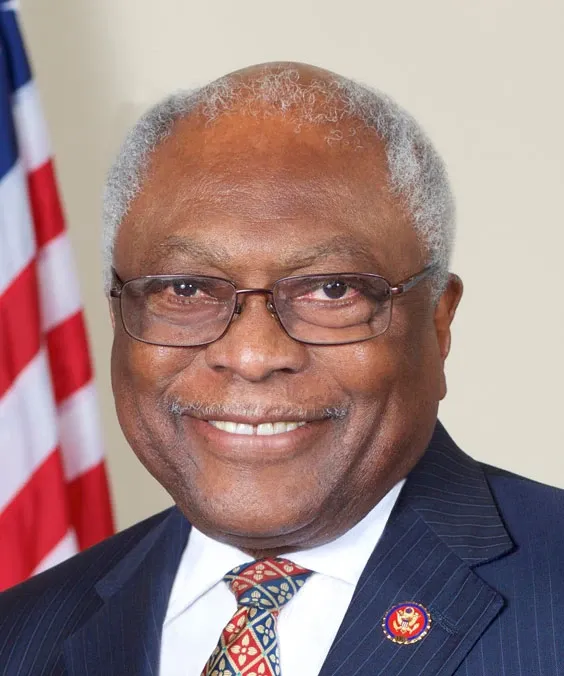
Mike Doyle is a former member of the U.S. House of Representatives, serving South Carolina's 1st congressional district from 1995 to 2021. A member of the Democratic Party, Doyle was known for his focus on issues such as healthcare, education, and infrastructure during his time in office. He played a significant role in various legislative efforts and was involved in initiatives aimed at improving the lives of his constituents. Throughout his tenure, he was recognized for his commitment to public service and community engagement.
I am very pleased to welcome everyone to the Subcommittee on Communication and Technology's first legislative hearing of this new Congress.
I had convened a group of 30 CEOs in my city, and I asked them what kept them awake at night, you know, taxes, government regulation. It was none of those things.
What can businesses like yours do to partner with early education centers to start to introduce these kinds of programs at the grade school level?
And it also seems to me that, you know, community colleges and other institutions in the area I think need to do a better job talking to employers...
I call it the three A's--awareness, access to educational opportunities, and what I call attitude...
I can't tell you how frustrating that is when we see this disconnect between what--you know, the jobs that are out there and the skill sets people need.
Investments in next generation broadband networks are important to reach unserved communities like mine in Southwest Missouri and help close the digital divide.
Today's hearing gives us the opportunity to hear about how the American public can benefit from the proposed merger of T-Mobile and Sprint.
I have seen a lot of mergers in this industry and others and it is hard to think of one where consolidation didn't result in people losing their jobs, prices going up, and innovation being stifled.
What guarantees do rural providers have that they won't face increased costs if T-Mobile doesn't adopt Sprint's practices?
CWA's testimony suggests that this merger will result in up to 30,000 job losses in the industry and a reduction in industry pay by as much as $3,000 per employee.
This hearing isn't about the benefits that both of your companies have brought to the market. It is about the extraordinary impact that your combined company could have on the public and the marketplace if this merger goes through.
Before we get started, I want to express my condolences to Congresswoman Debbie Dingell on the loss of her husband, John.
I believe it is the duty of this subcommittee to allow our members to publicly discuss and debate the merits of these transactions.
I think it is time to end the uncertainty for consumers and businesses, do our job, legislate net neutrality.
I supported Chairman Doyle's resolution of disapproval of Chairman Pai's rule because it is pretty irresponsible for Chairman Pai to roll back the Wheeler order without putting in any other, you know, enforceable protections for consumers.
Until strong open internet protections are enacted, our only hope is the millions of Americans who are fed up and will hold Congress accountable for passing strong net neutrality laws.
Without a change, there is no backstop to make sure big corporations can't use their power over the choke points of the internet to undermine and silence their small competitors or the political opposition.
If we agree that public safety is a priority, we need to make sure that they are a priority, and not just another subscriber to be nickel and dimed.
Let me be clear, this repeal had far greater impact than just removing the FCC's Net Neutrality rules.
Today's hearing is on Net Neutrality. I believe this is one of the most important digital rights issues we face today.
I believe strongly in the power of competition to spark innovation, expand access, and give consumers a better experience at a lower price.
Let me be clear. This repeal had far greater impact than just removing the FCC's net neutrality rules.
Politicians like Mike Doyle