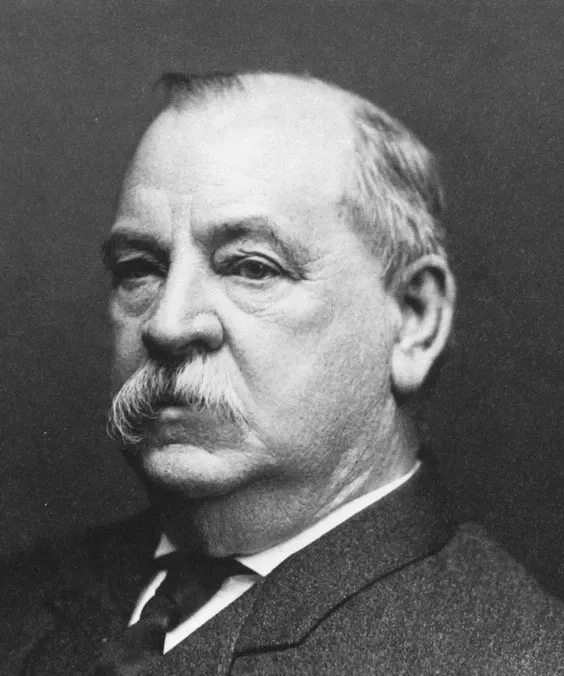
Frank Pallone
The Public Record
Frank Joseph Pallone is an American politician serving as the U.S. Representative for New Jersey's 6th congressional district since 1993. A member of the Democratic Party, Pallone has been a prominent advocate for health care reform, environmental protection, and consumer rights. He has played a key role in shaping legislation related to public health and climate change, often speaking out against policies he views as detrimental to these areas.
Sep 11, 2019
Let me first thank the sponsor of this legislation, Mr. Cunningham, the gentleman from California (Mr. Lowenthal), and Mr. Grijalva for all of their work on this legislation. I want to say that I do think a permanent moratorium on oil and…
Sep 10, 2019
Significantly, in your written testimony you note that the data that goes into the FCC's broadband maps needs to be publicly available and I agree.
Sep 10, 2019
I hope we can build on the progress we have made to give consumers more insight into the quality of the service that broadband providers offer.
Sep 10, 2019
Since Superstorm Sandy ravaged my district, I have been very focused on network resiliency.
Sep 10, 2019
Without good maps, we cannot correctly determine how we should target funding for broadband access and adoption in rural and urban areas.
Sep 10, 2019
It is not an exaggeration to say this FCC's terrible broadband data is its Achilles heel.
Sep 10, 2019
This year our committee is focused on improving telecommunications services for consumers.
Sep 10, 2019
In my opinion, this data must be available for researchers who can double check the FCC's analysis.
Sep 10, 2019
With limited Federal dollars to go around, we simply cannot afford to misidentify areas as served which are truly unserved.
Sep 10, 2019
I'm hopeful that this bill will build on the success our of previous partnership to deploy broadband to rural farm lands through the Precision Agriculture Connectivity Act.
Sep 10, 2019
You know, so CFATS, which is focused, I think appropriately, on the security of high-risk chemical facilities, you know, includes provisions to ensure that security systems are appropriately redundant.
Sep 10, 2019
At one facility, the Arkema plant in Crosby, the flooding disabled all the control measures in place to contain their dangerous chemicals because they all depended on backup generators below the water line.
Sep 10, 2019
Yes. Absolutely. And one thing I neglected to mention in my response is that we have very much prioritized outreach to local emergency planning committees.
Sep 10, 2019
And what about community groups and community members around the regulated facilities, does the Department engage them as well?
Sep 10, 2019
The CFATS program is different from other regulatory programs overseen by this subcommittee, and it is different because it is implemented by your department rather than the EPA and because it does not have the same public recognition as…
Sep 10, 2019
Despite the importance of the program and support on both sides of the aisle, the authorization came within ten days of expiring during Trump's government shutdown.
Sep 10, 2019
The communities most at risk are disproportionately low-income communities and communities of color.
Sep 10, 2019
High risk chemical facilities hold large stores of industrial chemicals that pose a safety and security risk to the American people.
Sep 10, 2019
We will never forget 9/11, and its longstanding impacts on families, first responders, and our nation as a whole.
Sep 10, 2019
Fortunately, Ranking Member Walden and I were able to work with our colleagues on the Homeland Security Committee to extend the program through April of 2020.
Sep 10, 2019
I have been an advocate for increased safety and security at our Nation's chemical facilities for many years.
Politicians like Frank Pallone