Nov 30, 2011
Section 2 of H.R. 3061 introduced by Representative Pallone meets the real need we have to be able to fish on rebuilding stocks whether they are overfished or undergoing overfishing.
The Public Record
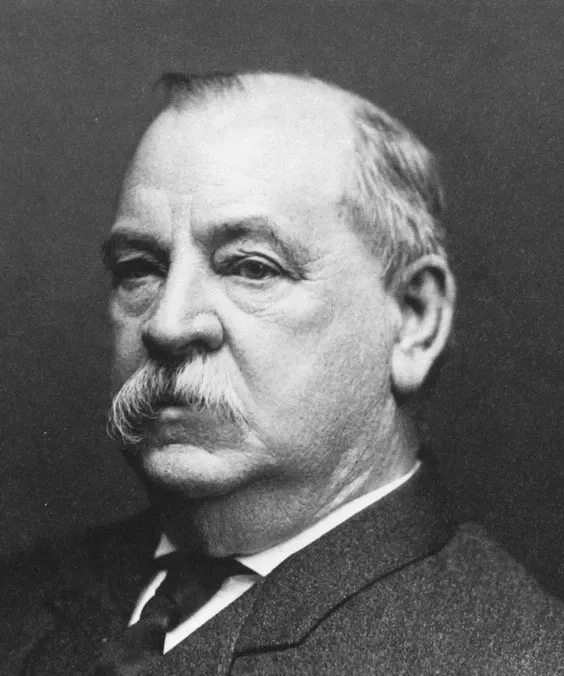
Frank Joseph Pallone is an American politician serving as the U.S. Representative for New Jersey's 6th congressional district since 1993. A member of the Democratic Party, Pallone has been a prominent advocate for health care reform, environmental protection, and consumer rights. He has played a key role in shaping legislation related to public health and climate change, often speaking out against policies he views as detrimental to these areas.
Section 2 of H.R. 3061 introduced by Representative Pallone meets the real need we have to be able to fish on rebuilding stocks whether they are overfished or undergoing overfishing.
The proposed legislation contained in H.R. 3061, introduced by Representative Pallone, combined with H.R. 2304, will provide the tools necessary to ensure all fishermen are able to continue to work and provide for their families.
While the RFMCs are given some flexibility to tailor their approaches to management plans the one area that remains rigid is in regard to stock rebuilding.
They say these decisions are being made with what is acknowledged to be flawed data.
I mean, the concern obviously is they are still using this and you are essentially encouraging or forcing the regional managers to implement catch limits, but we are still using the old data.
We need this Committee to consider comprehensive MSA reform at the earliest possible time to effectively rebalance our management system.
You don't want the incentive, but it is also true that it can be a valuable resource
Both of these bills will help fishermen get back on the water and spur job creation and economic activity in our communities.
Recreational and commercial fishing represent the economic and cultural foundations of communities all across the United States.
I want to thank Chairman Hastings and Ranking Member Markey for holding today's hearing.
I reintroduced my flexibility bill to create flexibility in the rebuilding timelines.
I made the argument that we could rebuild fisheries without adhering to a completely arbitrary deadline that would hurt a fisherman's ability to put bread on the table.
Both will help fishermen get back on the water and spur job creation and economic activity in our coastal communities.
I support in Mr. Pallone's language the legislation saying 10 years is not an absolute hard and fast rule.
Yes, we need a standard, but I do not think any harm comes from saying that in exigent circumstances if you are moving toward an appropriate level of punishment that there should not be an ability to waive for a couple of years.
I would think that was a principle we would all very much want, namely, that we want to fund law enforcement by independent judgments about what we can afford.
Eighty percent could be used for research. That money is already in the pot, so there is no fear of incentivizing future activity.
I thought it was a mistake to give law enforcement authority the ability to seize people's property, frankly, promiscuously.
I do not want the Securities and Exchange Commission to be the beneficiary of fines that it imposes.
I appreciate my colleague from Massachusetts playing the role that he is doing and his cosponsorship of our bill.
We should not repeat the Mariner's mistake and harm what is leading America's fisheries into safer seas.
What that means is that error is not neutral or not error, but imprecision is not neutral.
Unfortunately, just as we are asking NOAA to do more and better stock assessments, Republicans want to cut NOAA's funding to preserve tax breaks for millionaires and billionaires.
These bills deserve the support of this committee and swift action on the House floor.
The Affordable Care Act is making groundbreaking strides in care for women by eliminating these copays and deductibles for preventive services.
Politicians like Frank Pallone