Dec 9, 2014
I'm concerned that a patchwork of 50 separate state labeling schemes would be impractical and unworkable.
The Public Record
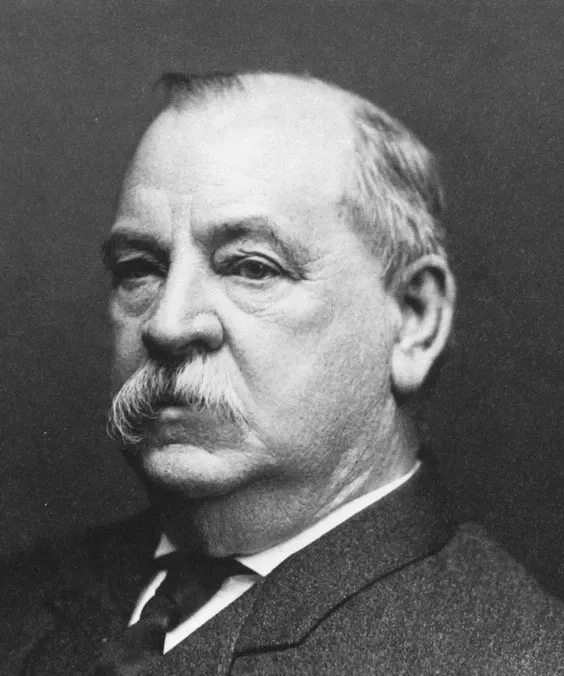
Frank Joseph Pallone is an American politician serving as the U.S. Representative for New Jersey's 6th congressional district since 1993. A member of the Democratic Party, Pallone has been a prominent advocate for health care reform, environmental protection, and consumer rights. He has played a key role in shaping legislation related to public health and climate change, often speaking out against policies he views as detrimental to these areas.
I'm concerned that a patchwork of 50 separate state labeling schemes would be impractical and unworkable.
It is our job as policymakers, particularly as it relates to the public health, to establish a factually and scientifically sound foundation prior to taking any action that would impact consumers and our economy.
I want to commend Representative Mike Pompeo and Representative Butterfield for their leadership on these issues.
Food labeling is a matter of interstate commerce and is, therefore, clearly a federal issue that rightfully resides with Congress and the FDA.
The ACA improved Medicare's financial solvency. It is now projected to be in good standing for an additional 4 years until 2030.
The Affordable Care Act sets the stage and began to put in place some initiatives to address cost growth without harming patient care.
I believe that simply turning Medicare into a voucher is shortsighted and simply shifts costs onto seniors and people with disabilities.
My big concern about the Medicaid expansion has been that you are putting more people into this program.
Should Congress be concerned that the shortage of doctors and low participation rates in Medicaid along with the Medicaid expansion means that the most vulnerable patients will face worse access problems?
House Budget Committee Chairman Paul Ryan has continued to propose to convert Medicare into a voucher system for the purchase of private health insurance.
When providers listed as participating in a plan cannot offer appointments, it may create a significant obstacle for an enrollee seeking care.
Half of providers listed as accepting Medicaid patients could not offer appointments to enrollees.
To expect Medicaid to do that on some notion that an already lean program can somehow be magically more efficient makes no sense at all.
Many Governors, even Republican ones, even mine have opted to participate in the Medicaid expansion offered as part of the ACA because it is good for their States and good for their citizens.
I was troubled by the policy proposals in the testimony of both Mr. Holt and Mr. Goldwein that seemed to devalue the Medicaid program.
I believe the reforms included in the Affordable Care Act have improved Medicare's long-term fiscal situation and protected beneficiaries' access to guaranteed benefits.
Unfortunately, the notion of creating incentives for beneficiaries to make better decisions is often looked at only through the narrow lens of increased cost sharing.
I have concerns about the impact of your proposal on Medigap or supplemental insurance policies.
Politicians like Frank Pallone