Nov 4, 2015
Mr. Burgess in Texas, well, why don't you try to get the Governor and the State Legislature to expand Medicaid? That might help a lot of people.
The Public Record
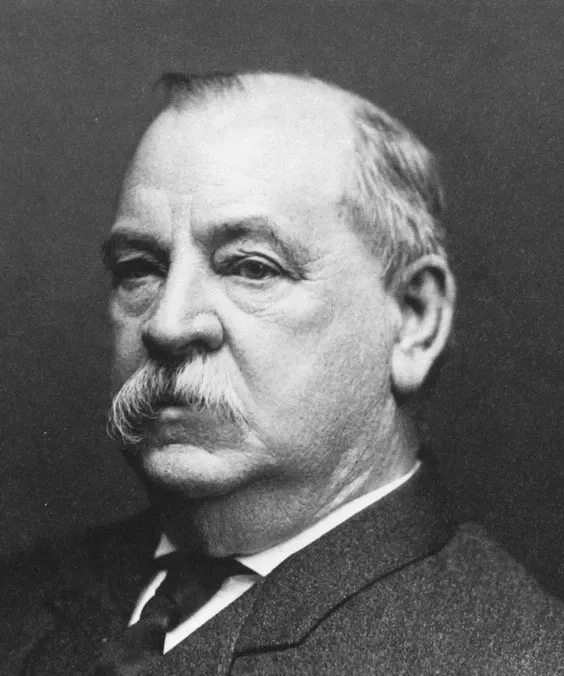
Frank Joseph Pallone is an American politician serving as the U.S. Representative for New Jersey's 6th congressional district since 1993. A member of the Democratic Party, Pallone has been a prominent advocate for health care reform, environmental protection, and consumer rights. He has played a key role in shaping legislation related to public health and climate change, often speaking out against policies he views as detrimental to these areas.
Mr. Burgess in Texas, well, why don't you try to get the Governor and the State Legislature to expand Medicaid? That might help a lot of people.
It is incredibly frustrating to hear Republicans criticize the law time and time again without offering productive ways to improve it and get better health care to more Americans who need it.
These hearings have more often served to highlight only the flaws in the program, and I look forward to you one day having a hearing, Mr. Chairman, where experts can talk about what is working, and there is much to applaud in that regard.
The law has been a historic success. It has made access to comprehensive health care a reality for the American people.
Our constituents should be able to depend on Congress to work productively in a bipartisan manner to improve the healthcare landscape.
It is about people who, before the Affordable Care Act, faced skyrocketing health care costs.
Frankly, Congress has squandered the last 5 years by celebrating every bump in the road as we implemented the law.
In today's heavily digital commercial environment, cross-border data flows are not just a normal part of doing business but essential to the American economy and American jobs.
I hope that today's discussion, as well as the ongoing negotiations between the United States and the E.U. will encourage a step in the right direction on data privacy.
I urge the parties to quickly finalize a new agreement tailor-made for the modern economy and the modern consumer.
This is the committee's second hearing on the topic of data moving across national borders.
The more than 4,000 American companies and millions of U.S. employees who have worked to abide by the Safe Harbor agreement cannot afford that outcome.
Unfortunately, our country has yet to provide a meaningful solution to our country's long-term care crisis.
I agree that transparency in these areas is important to ensure that payments to providers are sufficient in Medicaid.
Given that Medicaid finances roughly half of all births in this country, it is critical that we continue to advance the quality of care our Medicaid beneficiaries receive.
I think is a terrible way to pay for long-term care--actually shameful, in my opinion.
I mean, my concern, Mr. Chairman, you know, I find this proposed piece of legislation to be very concerning with regard to this home equity threshold and not allowing States to raise the threshold.
The majority of Americans lack the options or resources to sufficiently plan for future long-term care needs.
Earlier this month, there was a serious incident at a closed down low-level waste disposal site in Nevada.
So having a number of safe, secure, and environmentally sound options for disposing of low-level radioactive waste is important to a lot of stakeholders.
Unfortunately, however, the track record of these sites hasn't been entirely successful.
If the commissioners are confident that Texas can license and manage a program that includes the most dangerous low-level waste then this opens up a real potential for benefit to communities around the country.
Unfortunately, for over 60 percent of those living in tribal lands access to the kind of broadband remains out of reach.
Politicians like Frank Pallone