Jun 16, 2009
Mr. Calcara, I note that, in the President's budget request for fiscal year 2009, $125 million was requested for the construction of 216 units in the first phase of family housing in Korea.
The Public Record
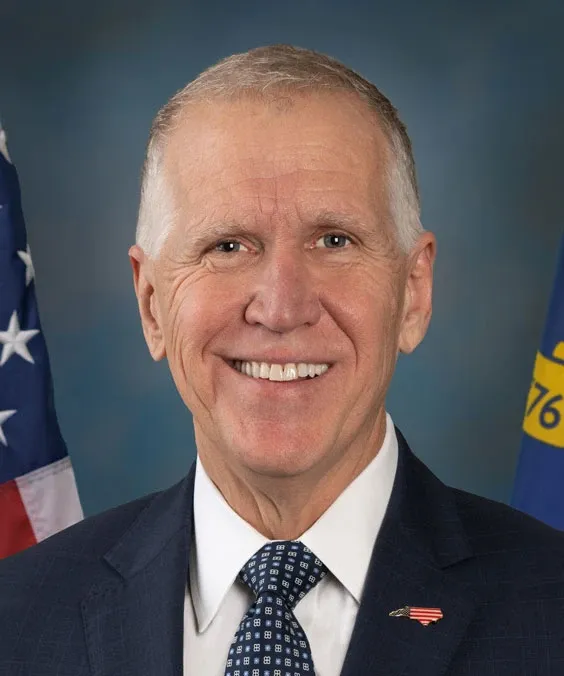
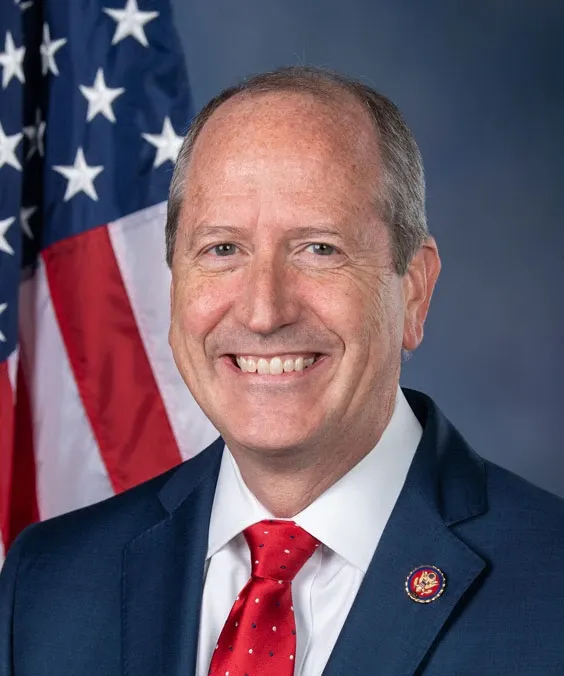
Richard Burr is an American politician serving as the senior United States senator from North Carolina since 2005. A member of the Republican Party, Burr has focused on issues such as veterans' health care and the relationship between the Department of Veterans Affairs and academic institutions. Throughout his tenure, he has been involved in various legislative efforts aimed at improving services for veterans and enhancing the efficiency of government programs.
Mr. Calcara, I note that, in the President's budget request for fiscal year 2009, $125 million was requested for the construction of 216 units in the first phase of family housing in Korea.
Mr. Calcara, what is the total number of units currently planned to be constructed and the estimated total cost for the housing?
I urge Congress to now demonstrate the U.S. commitment to the Roadmap by approving our fiscal year 2010 MILCON budget request of $378 million in fiscal year 2010.
Secretary Penn, how are the Marine Corps' training needs being evaluated and included in the EIS process supporting the move to Guam?
Secretary Penn, the EIS to support the move of 8,000 marines and their families from Okinawa to Guam is ongoing, but I know the Marine Corps has particular concerns with their ability to train in Guam.
Secretary Penn, are these costs captured in the current Navy Future Years Defense Plan (FYDP) to accompany the 2010 budget?
Aside from a basic estimate of over $4.0 billion for the U.S. investment, does the Navy have a detailed current estimate of costs to U.S. taxpayers to complete this initiative?
Again, on behalf of the chairman, let me thank all of you for your testimony today. It's invaluable.
Let's do it real quick, let's figure out what it's going to be, let's figure out what the partners' obligations are, let's figure out what ours are, but let's get the details before we start talking about the funding.
I hope you understand why I'm so persistent on this, because if, in fact, you can't provide the details to me, why should I authorize $378 million to proceed?
I appreciate the answer. Were this a weapons platform, I would probably walk away and say, interagency, they're still trying to figure how much stuff they're going to put on it.
It is just such a key location, with a population that is so pro-American, pro-citizen, because they are American citizens.
It's of such strategic importance to us, not only for the Japanese-U.S. relationship, because now we'll have Japanese units training with our units in Guam, but also for the strategic necessity of the United States.
Trust me, I get a full sense of the scope of what we're trying to do. What I'm desperately trying to do is get a sense of what is this going to cost us.
I'll hope that our staff converses with you about whether there should be a Plan B or not.
I think everybody in this room knows that in 90 days, this is not going to be settled because we don't even have the EIS done taking into account the noise of the F-35.
Potentially, when that stay goes away, if litigation is still pursued, what does that do to delaying our ability to meet the deadlines that we have for the purposes of training?
As Senator Bayh said, we'd like to make sure that the investment we're making in Okinawa is an investment that can be utilized.
Politicians like Richard Burr