Mar 16, 2021
The American Rescue Plan actually tried to address this by including $175 million to establish community navigator pilot programs to improve the support that these small businesses and entrepreneurs are really receiving.
The Public Record
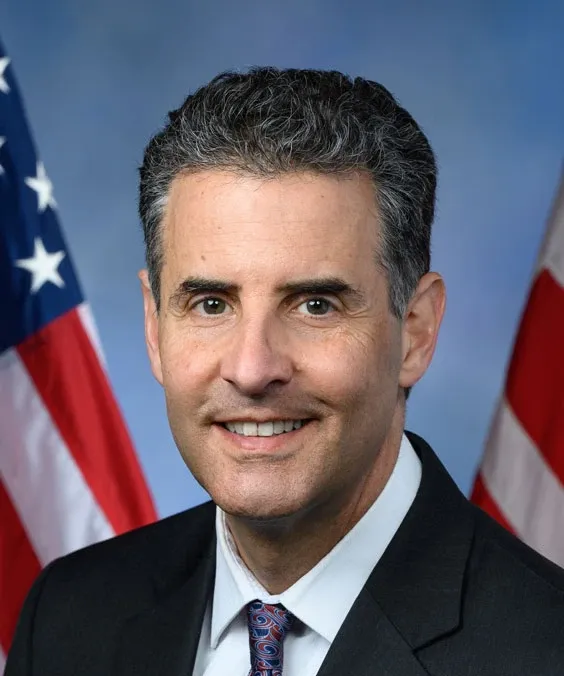
Ben Cardin is a United States Senator from Maryland, serving since January 4, 2007. A member of the Democratic Party, he has focused on issues such as healthcare, education, and civil rights throughout his political career. Prior to his tenure in the Senate, Cardin served in the U.S. House of Representatives from January 3, 1987, to January 3, 2007, where he was known for his work on tax policy and social security reform.
The American Rescue Plan actually tried to address this by including $175 million to establish community navigator pilot programs to improve the support that these small businesses and entrepreneurs are really receiving.
We recognized that certain communities were not treated as well as we wanted them to.
The objective was to get money out quickly to small businesses so they could maintain their payroll.
We want to make sure these programs are working well, so the Committee is making that one of our priorities.
This has been a bipartisan effort to try to evolve the program to meet the current needs.
This is actually going to help communities like mine and working people all across the country and all across the State of New Jersey really thrive and succeed.
Our industry is encouraged by your recognition that CDFIs are best positioned to drive PPP to businesses owned by people of color, businesses owned by women, and many underserved by the mainstream financial markets.
We pushed for the lender set-asides because CDFIs and MDIs and other mission lenders have a demonstrated history of getting capital into the hands of entrepreneurs in underserved and underbanked communities.
Unfortunately, SBA did not do that, which led the SBA inspector general to issue a report that found the SBA's implementation of PPP did not fully align with the congressional intent in the CARES Act.
Thank you, Chairman Cardin and Ranking Member Paul and members of the Committee for the opportunity to be here today.
The goal of the PPP was simple: help employers keep their employees on payroll during the pandemic so our economy can rebound more quickly afterwards.
I was proud last month when the Biden administration came out with certain guidelines and made it easier for businesses in underserved communities to be able to get those loans.
President Biden has made it clear that our foreign policy is going to be wrapped in our values.
It would certainly be much stronger if we worked with our allies in a common strategy.
We have taken action. Congress has passed legislation to impose certain sanctions against China as a result of these behaviors.
We have to diminish China's influence that they are trying to buy in otherwise democratic free countries.
We lost an opportunity in the Trans-Pacific Partnership to be in unity with the Asian countries and Pacific countries in a policy that could have isolated China's influence on the trade front.
This is, certainly, a critically important subject when we talk about strategic competition with China.
It is virtually impossible for us to have that if we do not harmonize with the rest of the world.
We should be talking about how we can take advantage of the American reliance on governmental services.
We are behind technologically. It was mentioned during this panel, the technology on battery storage. We are not where we need to be.
Politicians like Ben Cardin