Jun 18, 2012
There is also a human cost here. If it is your child that is suffering from asthma, and can't go to camp because of the warnings that are being given...
The Public Record
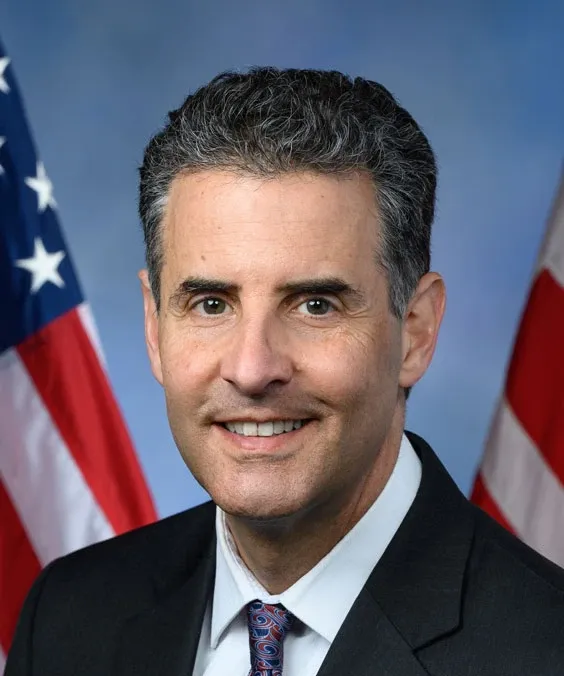
Ben Cardin is a United States Senator from Maryland, serving since January 4, 2007. A member of the Democratic Party, he has focused on issues such as healthcare, education, and civil rights throughout his political career. Prior to his tenure in the Senate, Cardin served in the U.S. House of Representatives from January 3, 1987, to January 3, 2007, where he was known for his work on tax policy and social security reform.
There is also a human cost here. If it is your child that is suffering from asthma, and can't go to camp because of the warnings that are being given...
Mr. Chairman, what Mr. Burrell is doing at CareFirst is popularly received locally.
Inaction, causing policies to be formed because of inaction, is not, I think, the best interest of our country.
So are you saying that from a long-term perspective the dry cask storage, is it an acceptable option, or do we need to move forward on regional or national depositories?
Which is worth the risk of transportation and a centralized site, I take it?
Opposition to the government is not criminal behavior. Exercise of free speech is not criminal behavior.
To Cuba and other governments across the hemisphere, our message must be clear: nonviolent dissent is not criminal behavior.
I will just make one last observation. That is, we know that we are going to reduce costs and hospital infection rates. We know that.
But I want to get back to reality. You all are facing additional cuts in the Medicaid programs in every State in this Nation.
The challenge is, it is so difficult to put that into code where you are reducing, in your case, reimbursements to hospitals based upon admissions and rewarding long-term care providers based upon results.
We are running against a cliff that is going to come up very soon as to how we deal with the sequestration.
You have all indicated that you support the ratification of the Law of the Sea Treaty.
I think it would strengthen our standing to support our allies who are dealing with some of these issues particularly in the South China Sea.
The responsibility for international security should rest with all of our partners, not just principally with one country, the United States.
Normally, on these international treaties and organizations, the U.S. participation is looked upon internationally with great importance, because it adds to the comprehensive nature of the organization.
I found your presentations to be as comprehensive a presentation that I have ever received on the treaty, and I thank you for that.
I certainly would think our language here at times has been counterproductive to keeping some of our best in public service.
I think the least we can do is to make sure that we provide the type of support you need in order to get the job done.
It is very important for people to know where they are in the Social Security system.
I do not know of a member of the Senate who does not believe that the benefits provided by the Social Security Administration are vital to our country.
I want to acknowledge the improvements that I have seen in regards to the Annual Earnings Statement's availability to recipients.
I know we are going to have disagreements, legitimate disagreements, on budget priorities and how to proceed to balance the Federal budget.
Politicians like Ben Cardin