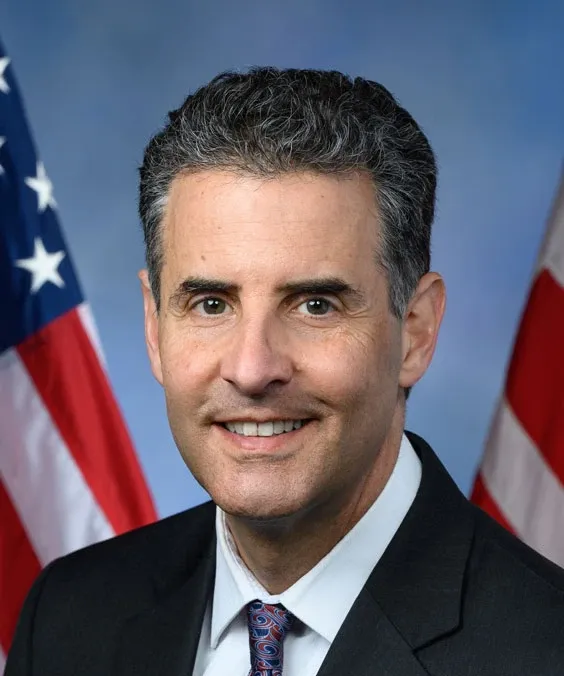
Ben Cardin
The Public Record
Ben Cardin is a United States Senator from Maryland, serving since January 4, 2007. A member of the Democratic Party, he has focused on issues such as healthcare, education, and civil rights throughout his political career. Prior to his tenure in the Senate, Cardin served in the U.S. House of Representatives from January 3, 1987, to January 3, 2007, where he was known for his work on tax policy and social security reform.
May 9, 2012
I think it is particularly important for U.S. leadership to be pretty focused and clear in Chicago.
May 9, 2012
But our bottom line point is no one should see this summit as somehow the end of enlargement or some different priority.
May 9, 2012
I think the signal that is being sent is that we are slowing down the formal expansion of NATO for many reasons and many legitimate reasons.
May 9, 2012
I think there must be some disappointment that the summit will not be an enlargement summit.
Apr 25, 2012
I am going to withdraw the amendment. Let me point out that this amendment was offered in an effort to make sure we can continue overnight delivery in most of our country by keeping open processing centers that are necessary. The…
Apr 25, 2012
I think most individuals really do want to voluntarily comply, but, with the complexity and the uncertainty and the lack of getting information, it makes it difficult for that, in fact, to be at the level that we expect it to be.
Apr 25, 2012
We have the message about simplicity, we have the message about tax reform, and we also, I think, understand the importance of our constituents having convenient service, accurate service, to be able to comply with the tax code.
Apr 25, 2012
I would hope that the IRS, which is now having to employ 2,500 people to deal with identity theft, would take a very proactive role to show best practices for the best possible security we have.
Apr 25, 2012
That is an incredible number. And we know it is the fastest-growing--I think it is the fastest-growing crime in America.
Apr 25, 2012
You are only as strong as your weakest link, and the more people who have access to Social Security numbers, the more vulnerable we are.
Apr 25, 2012
I think they are doing an incredible job. They are being asked to do more with less under very stressful conditions.
Apr 23, 2012
Let me point out that the record of the Committee will remain open for 2 weeks.
Apr 23, 2012
Well, I thank you for that. And while we appreciate the spirit of the amendment that you are suggesting, we will wait to see.
Apr 23, 2012
My expectation is that you will follow their recommendations, and then we will need a game plan as to how you intend to implement that.
Apr 23, 2012
I understand from your testimony that is not the position of the National Institutes of Health at this particular moment.
Apr 23, 2012
I think the Cantwell bill envisions--well, it would not envision, it mandates that the experimentation end.
Apr 23, 2012
Senator Lautenberg has worked very hard on the, dealing with the concerns of the wildlife disease emergencies.
Politicians like Ben Cardin