Apr 29, 2015
the current debate over the SPR is a familiar one to those who have witnessed how America's dramatically-changed energy landscape has rendered many existing policies out of date.
The Public Record
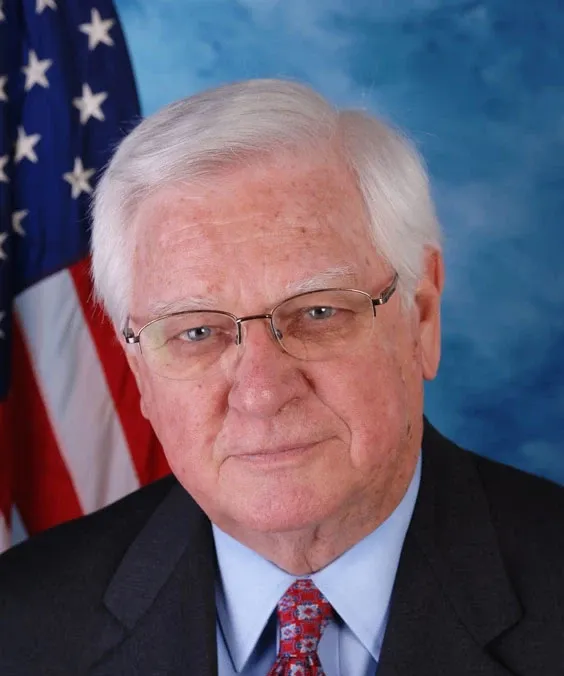
Ed Whitfield is a former Republican member of the United States House of Representatives, who served Kentucky's 1st congressional district from 1995 to 2017. During his tenure, he was known for his work on energy and commerce issues, particularly in relation to the energy sector and healthcare. Whitfield played a significant role in various legislative efforts, including those aimed at reforming the Affordable Care Act and addressing energy policy in the United States. He was also involved in initiatives related to veterans' affairs and agriculture, reflecting the interests of his constituents in rural Kentucky.
the current debate over the SPR is a familiar one to those who have witnessed how America's dramatically-changed energy landscape has rendered many existing policies out of date.
However, much has changed over the last 40 years, and there is bipartisan agreement that we are overdue to update the SPR to reflect the needs of 2015 and beyond.
Model energy codes are not set by DOE. They are set by independent code making bodies.
39 states right now already either the 2009, the 2012, or the 2015 code in place. This is working.
I want to thank Bobby Rush as well as Bill Flores, Gene Green, and Richard Hudson for sponsoring the bipartisan discussion draft.
I would like to thank my good friend Bobby Rush as well as Bill Flores, Gene Green, and Richard Hudson, for sponsoring the bipartisan discussion draft that we will be talking about today, entitled 21st Century Workforce.
I want to thank my colleagues on both sides of the aisle once again, specifically Senators Shaheen and Portman, Congressmen McKinley and Welch, Mr. Upton and Mr. Pallone, and certainly Mr. Rush of Illinois. All of them worked very…
I don't believe we have any additional speakers on our side, and I would like the opportunity to close, so I will reserve the balance of my time.
Today, we are considering S. 535, the Energy Efficiency Improvement Act of 2015, a bill to address energy efficiency in Federal buildings, energy conservation through the continued use of grid-enabled water heaters, and energy information…
The proposed rule's tight deadlines would force many States to initiate costly and potentially irreversible compliance steps before these legal challenges are concluded.
And one of the things that I am concerned about, and I would like to make very clear, I am certainly not an expert in the Clean Air Act but I have read more than I want to, to be truthful about it, but there is a definition in the Clean…
Experts in the Clean Air Act have described this proposed rule as extreme, radical, a power grab.
The Obama administration is just telling Texas to go jump in the lake, we don't care about your economy.
The Ratepayer Protection Act provides solutions to both these legal and implementation problems.
this is a bold move on the EPA's part, but we all understand 111(d) and the controversy surrounding it
We think you are overstepping your authority. We think you are now legislating.
I am convinced that this proposed rule is on very shaky legal ground and may end up being remanded or even vacated by the Federal courts.
And you know what, we are hearing from everyone that, many of these coal plants, there is no way they can get a 6 percent more efficient rating.
why would anyone object to giving States an opportunity to do their State implementation plan after the judicial remedies have been exhausted?
So with the very utmost respect, people are asking Congress for help in reining in this agency.
We are here today to discuss a bill that will bring regulatory relief to many electricity providers and manufacturers across the country.
we can introduce this bill, and if people want to try to amend it or whatever, do regular order
the Government is really micromanaging through regulations really everything in our society
Politicians like Ed Whitfield