Mar 16, 2015
One study by NERA puts the total cost at $366 billion through 2031 and estimates increases in electricity prices of 12 percent or more.
The Public Record
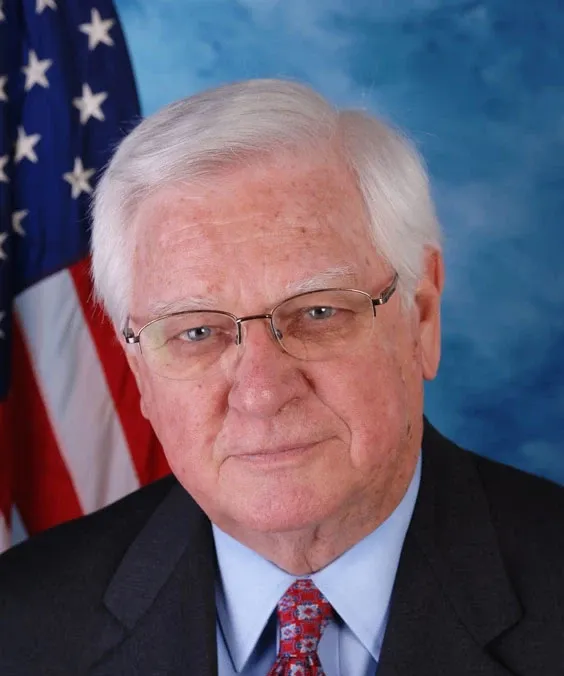
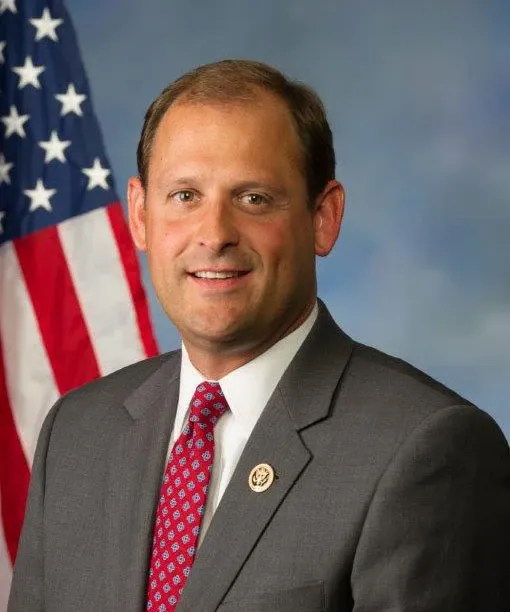
Ed Whitfield is a former Republican member of the United States House of Representatives, who served Kentucky's 1st congressional district from 1995 to 2017. During his tenure, he was known for his work on energy and commerce issues, particularly in relation to the energy sector and healthcare. Whitfield played a significant role in various legislative efforts, including those aimed at reforming the Affordable Care Act and addressing energy policy in the United States. He was also involved in initiatives related to veterans' affairs and agriculture, reflecting the interests of his constituents in rural Kentucky.
One study by NERA puts the total cost at $366 billion through 2031 and estimates increases in electricity prices of 12 percent or more.
I would argue that EPA's Section 111(d) rule is to energy what the Affordable Care Act is to healthcare.
Given the Constitutional, statutory, and other legal issues surrounding the Clean Power Plan, I don't believe it will withstand judicial scrutiny.
There is a threshold question about whether EPA has statutory authority to proceed with its Clean Power Plan at all.
This proposed rule has been described as a power grab, extreme, radical, unprecedented, and a violation of existing law.
I think the President has a goal that he is trying to meet, and is asking the states to help him meet that goal.
It appears that EPA is trying to find a way to implement the President's plan pursuant to his international commitments.
Even Administrator McCarthy has admitted that none of EPA's climate rules would actually make a measurable difference on future temperatures.
Simply stated, if the EPA wants to upend the world's greatest power system by forcing a round peg into the square hole that is Section 111(d), it should have the prudence to allow the final rule to be reviewed by the courts before…
the amount of coat for electric generation in America would decline by 40 percent from the 2009 levels.
Many have expressed serious concerns whether EPA can move forward with the proposed rule.
Is that your honest opinion of the impact of this regulation on the state of Florida?
the proposal is the most expensive environmental regulation ever imposed on the electric power sector, costing between $41 to $73 billion per year.
So I think the regulatory incentives at the State level need to change, and if they don't change, we are depriving the American consumer of innovation.
Ensuring a secure, reliable, and affordable electricity system that meets the needs of the American people may very well be the most important task within this subcommittee's jurisdiction.
America has gone from declining oil and natural gas production to unprecedented increases that now make us the world's largest energy producer and a potential exporter.
Domestic refineries... now have the option of transitioning to use more North American oil.
Today's hearing is entitled, '21st Century Energy Markets: How the Changing Dynamics of World Energy Markets Impact our Economy and Energy Security.'
Now, in your submission, your budget document, you talk about further efforts are required to put the country on an emission trajectory consistent with the President's long term climate goals.
The Agency is regulating far outside its authority, and reveals as much in its Congressional justification for the FY 2016 budget.
To me, the fact that EPA thinks it has to lawyer-up to fight State governments is a sure sign that the Clean Power Plan is not in the best interests of the American people.
So you think the outreach would pre-empt what the explicit language says? That is your position----
The Obama administration may consider global warming to be its number one priority, but I certainly don't.
Politicians like Ed Whitfield