The adequate punishment of the rebel leaders was the demand of the hour.
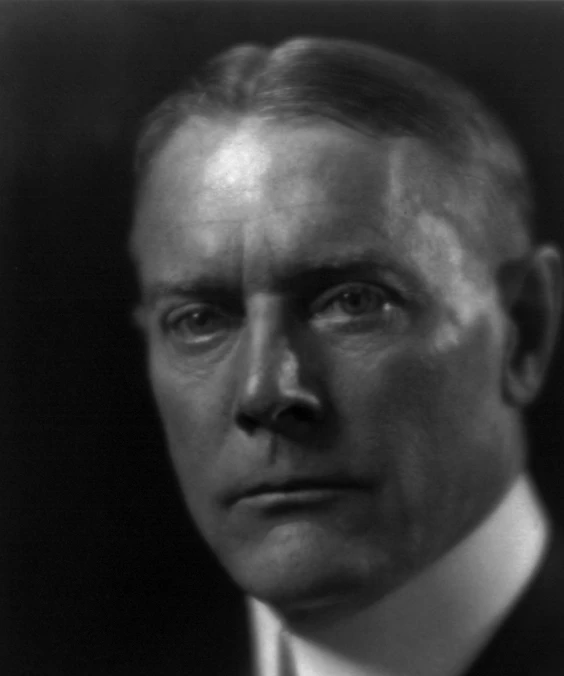
George Julian
The Public Record
George Washington Julian was a politician, lawyer, and writer from Indiana who served in the United States House of Representatives during the 19th century. A leading opponent of slavery, Julian was the Free Soil Party's candidate for vice president in the 1852 election and was a prominent Radical Republican during the American Civil War and the Reconstruction era.
gutenberg.org
Lincoln, who was never an obstinate man, and who in the matter of his Proclamation of Emancipation had surrendered his own judgment under the pressure of public opinion, would not have been likely to wrestle with Congress and the country…
In his last public utterance, only three days before his death, he had declared his adherence to the plan of reconstruction announced by him in December, 1863, which in the following year so stirred the ire of Wade and Winter Davis as an…
Lincoln's known policy of tenderness to the Rebels, which now so jarred upon the feelings of the hour, his well-known views on the subject of reconstruction were as distasteful as possible to radical Republicans.
To be accredited to share in the great historic act of its formal consummation was a priceless privilege.
To have labored for it in the goodly fellowship of its confessors and martyrs was cause for devout thanksgiving and joy.
To be permitted to witness the final success of the grandest movement of ancient or modern times was a blessed opportunity.
It strengthens faith to observe the sure operation of moral causes in ripening into great and beneficent results.
The champions of negro emancipation had merely hoped to speed their grand cause a little by their faithful labors, and hand over to coming generations the glory of crowning it with success; but they now saw it triumphant, and they had…
It seemed to me I had been born into a new life, and that the world was overflowing with beauty and joy, while I was inexpressibly thankful for the privilege of recording my name on so glorious a page of the nation's history, and in…
Members joined in the general shouting, which was kept up for several minutes, many embracing each other, and others completely surrendering themselves to their tears of joy.
The anxiety and suspense during the balloting produced a deathly stillness, but when it became certainly known that the measure had prevailed the cheering in the densely-packed hall and galleries surpassed all precedent and beggared all…
The time for the momentous vote had now come, and no language could describe the solemnity and impressiveness of the spectacle pending the roll-call.
On the last day of this month one of the grandest events of the century was witnessed in the House of Representatives in the final passage of the Constitutional Amendment forever prohibiting slavery.
It was evident that nothing could save us but military success; and most fortunately for the Republican cause it came in due season, rallied and reunited its supporters, and thus secured their triumph at the polls.
It threatened discord and mischief, and I went to the President with these facts, and on the strength of them demanded his removal from office.
Loyalty to Republicanism was not only accepted as the best evidence of loyalty to the country, but of fitness for civil position.
Lincoln's nomination was nearly unanimous, only the State of Missouri opposing him; but of the more earnest and through-going Republicans in both Houses of Congress, probably not one in ten really favored it.
Lincoln, seemed to have been preordained by the people, while the intelligent, sober men, in Congress and out of Congress, who lamented the fact, were not prepared to oppose the popular will.
I knew he did not believe in the principles embodied in the platform.
But to me the nomination of Andrew Johnson for Vice President was a still greater disappointment.
To me it was particularly vexatious, as the measure was a pet one of mine, having labored for it with much zeal, and in the confidence that the National Convention would approve it.
I kept cool, but asserted very positively that I did use the exact words reported, and in proof of my statement I appealed to a number of my friends, who sustained me by their distinct and positive recollections.
It was the duty of the President, like John Bright and the English Liberals, to lead, not follow public opinion.
In examining one of these men I was perfectly unmanned by my tears; and on retiring from the tent to give them vent I encountered Senator Wade, who had fled from the work, and was sobbing like a child.
Politicians like George Julian