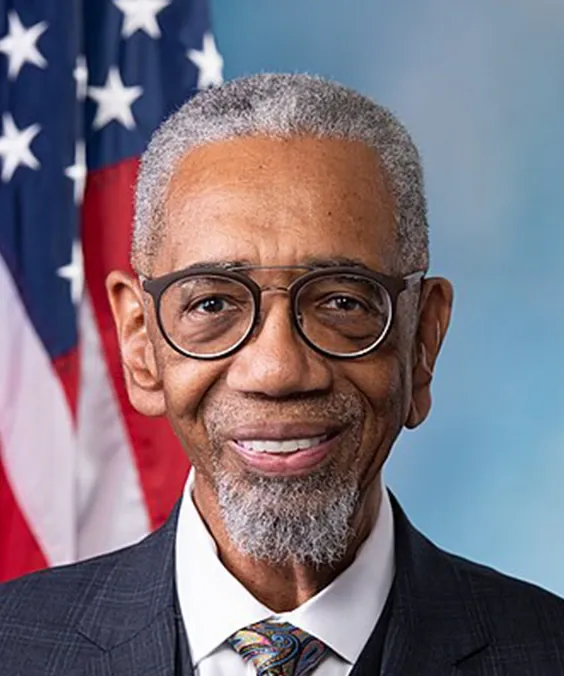
James A. Lewis
The Public Record
James A. Lewis is a Democratic politician from Illinois. He has been involved in various political activities within the state, although specific details about his roles and contributions are not widely documented. As a member of the Democratic Party, he aligns with the party's values and policies, advocating for issues pertinent to his constituents in Illinois. His political career has been characterized by a commitment to public service and community engagement.
Mar 31, 2011
This is nothing other than a political witch hunt. The Ways and Means Committee is better than this.
Mar 31, 2011
I am mindful that the majority wants to cut Social Security. They want to cut Medicare.
Mar 31, 2011
This hearing is politically motivated and driven by AARP's support for the Affordable Care Act.
Mar 31, 2011
I am saddened that you have chosen to fulfill your duty in the manner displayed today.
Mar 31, 2011
It is my understanding that the report is 26 pages long with 243 footnotes and was only released on Wednesday.
Mar 30, 2011
Most of the funds requested for the Affordable Care Act are to assist taxpayers and improve operations, not for enforcement agents, as charged by some.
Mar 30, 2011
An estimated three million people will not have their telephone calls answered, and one million people will not receive face-to-face service at an agency center.
Mar 30, 2011
I have serious concerns about the Republican plans to cut funding for the agency, and effect that those cuts will have on our taxpayers.
Mar 30, 2011
Thank you, Mr. Chairman. Mr. Commissioner, again I want to thank you for being here, and I want to thank you for your years of service.
Mar 30, 2011
The majority's plan to cut $600 million from the agency budget this year will result in $4 billion in lost revenue.
Mar 29, 2011
The Bush tax cuts have been in place now for almost 10 years and they have not created a single job.
Mar 29, 2011
There is about $100 billion in new discretionary funding in the bill that, of course, was hidden...
Mar 15, 2011
We were on the path to being more secure, and I think the work that this committee and others in Congress can do might get us there by 2012, but we are not there yet.
Mar 15, 2011
There are legal impediments to doing that, right, and that is a harm to the ability to secure our Nation's networks.
Mar 15, 2011
A place where public-private partnership makes sense is on information sharing.
Mar 15, 2011
As an individual more vulnerable? Yes. But as a Nation, is our critical infrastructure more vulnerable? Not as much.
Mar 15, 2011
The development of technology has to be left to the private sector, and they are just the masters at it.
Mar 15, 2011
I think if we don't give DHS more authority, we will not succeed at this, and I think CFATS might be a useful model to think about.
Mar 9, 2011
We are contemplating filing an amendment to the 1964 Civil Rights Act that would raise the idea of employment status.
Politicians like James A. Lewis