Mar 7, 2011
Are you going to do anything, within your group--as a coalition, are you going to do anything in any economic analysis after the season is done?
The Public Record
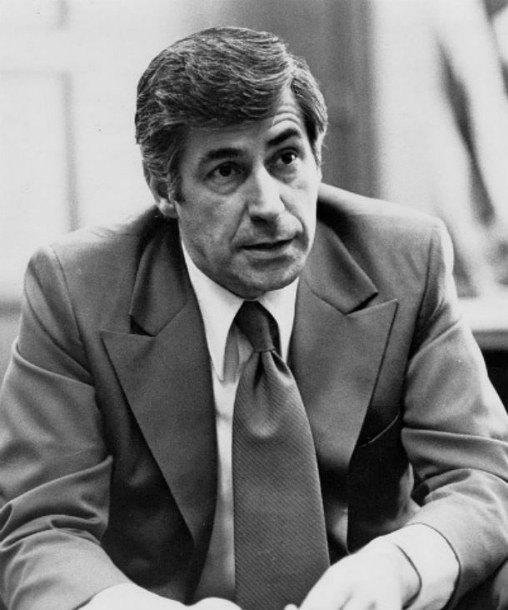
Mark Begich is an American politician who served as the U.S. Senator from Alaska from 2009 to 2014. A member of the Democratic Party, he focused on issues such as healthcare, veterans' affairs, and economic development during his time in office. Begich was known for his efforts to advocate for Alaska's unique needs and challenges, including those related to energy and the environment.
Are you going to do anything, within your group--as a coalition, are you going to do anything in any economic analysis after the season is done?
Let me--when it was originally set up, or when elements were set up, how did--or how did we remind--I guess, for the record here--the connection to the communities, how did we deal with the economic issues of the communities?
You think some of this can be--this--the concepts can be exported out to New England and other parts of the country?
Do you have a list of protocols that you utilize to determine, kind of, the prioritization of how you do assessments?
There is no question the relationship between Alaska and Washington, when it comes to our industry, is long and has a great future, also.
Have you seen any change in the economic element of it--or its--more value, less value, the same?
The terribly tragic collapse of the I-35 Bridge in Minneapolis killed 13 people and injured over a hundred others.
As a member of the former metropolitan transportation planning effort in the City of Anchorage, obligations of monies are critical for our summer construction season. And what I am hearing is goodbye on some of those.
This will be one of the unique times that people will claw back money that might be obligated for a project that someone might be doing a summer construction project on.
So again, I want to make sure I am clear on this. Even if today a community, a state, a city signed a contract, obligates to fund--let us just say obligates because that may not engage.
The reality is the vision is there but there is not a funding mechanism yet, and the President is not recommending one.
The Air Force supports the purchase and use of commercial space capabilities and services to the maximum practical extent.
I think that is unacceptable, especially with reservists who have a different scenario in what they have to get prepared for to get ready to be on the front lines.
I am sure you don't want to see fuel in our lines coming from Iran, which we do have, or fuel coming from countries that may not have the most stable governments.
Last thing, I would not want to let Senator Shaheen walk away with the tanker concept alone.
Sometimes we get a little excited about ideas, but we forget that there is a check that has to be written by somebody.
It seems like we should probably have a more robust discussion about energy needs because you hit it on the head.
We have to be serious about a long-term energy plan that has a diversified energy resource from a national security perspective as its first priority.
Politicians like Mark Begich