Mar 21, 2012
Livestock grazing on public lands has a strong tradition in Wyoming and the West.
The Public Record
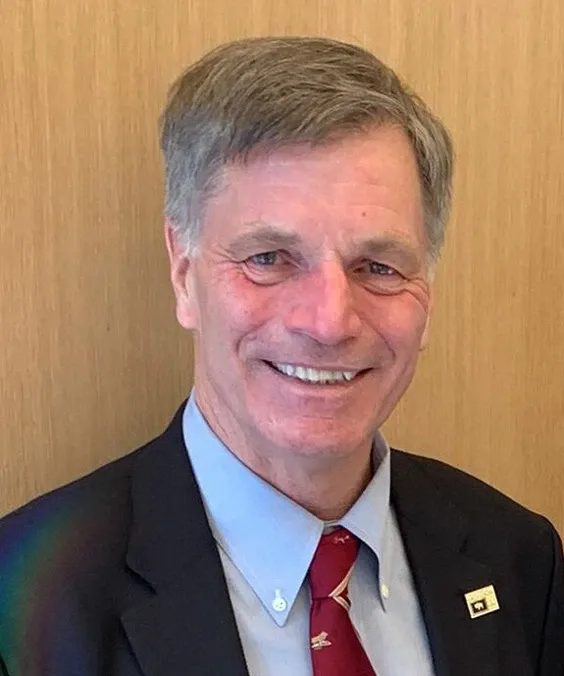
John Anthony Barrasso is an American politician and physician serving as the senior United States senator from Wyoming since 2007. A member of the Republican Party, Barrasso has focused on issues such as healthcare, energy, and economic growth during his tenure in the Senate. He has been an advocate for reducing government regulations and promoting energy independence, reflecting the interests of his constituents in Wyoming, a state rich in natural resources.
Livestock grazing on public lands has a strong tradition in Wyoming and the West.
You know, Congress recently passed an amendment to the budget bill to address the need for environmental analysis on trailing permits.
Approximately 35 percent will be forced or attempt to sell their cabins. We estimate 10 to 15 percent will be permanently lost.
So while you haven't specifically tracked the specific dollar figures in terms of the budgets, the time and the personnel, there is clearly an impact and it does affect other programs.
These impacts from joblessness will increase the likelihood of hospital visits, increase the likelihood of illnesses and premature deaths in communities.
The Obama administration officials regularly try to justify their excessive red tape by citing misleading and incomplete health statistics.
Absolutely, sir. And another important point, in African-American communities, we are looking at 35 percent to 40 percent unemployment.
I am certain of that, Senator. There are at least 9 other communities, 10 other communities in Ohio that are facing the exact same problems.
Because in reality, many more coal-fired power plants have announced closures, and that totals about 25 gigawatts, which is more than EPA's model has predicted.
Certainly there will be some direct health impacts, if the facility were to close.
But not these specific consequences, because it seems to me that the costs are real, and the benefits truly are unknown.
Has the EPA ever done a cumulative impact analysis on all of the proposed rule that are going to place burdens on coal-fired power plants?
The amount of coal-fired power plants that will close as a result of the cross-State air pollution is about 4.8 gigawatts.
As you know, Ohio has had a difficult struggle in this economic recession, as a traditional manufacturing economy.
As of now, I count 57 plants closing across 20 States because of the Clean Air rules coming out.
So there has not really been a cumulative analysis of the impact of all of these on our communities and coal-fired power plants and jobs around the country.
When electricity rates rise, so does the cost of doing business, putting investment, economic growth and jobs at risk.
I think that our infrastructure, our regulatory approach, the practices at our plants, our equipment, our configuration, our design bases would prevent Fukushima from occurring under similar circumstances at a U.S. plant.
I think we have heard good news, U.S. plants are safe, there are steps to make them safer, and we are on the right path.
Politicians like John Barrasso